Dimitri Daniloff
Two decades of photography that kept outgrowing the camera. Daniloff shot the PlayStation campaigns, built Daft Punk a virtual girl, and now photographs people as 3D scans: a career spent testing how much of a photograph has to be real.
His father was a sculptor, and it shows. Daniloff came to photography caring about volume and form more than the decisive moment, starting out on a 4x5 view camera. He moved into digital work early, not for convenience, but because it let him build images rather than only take them.
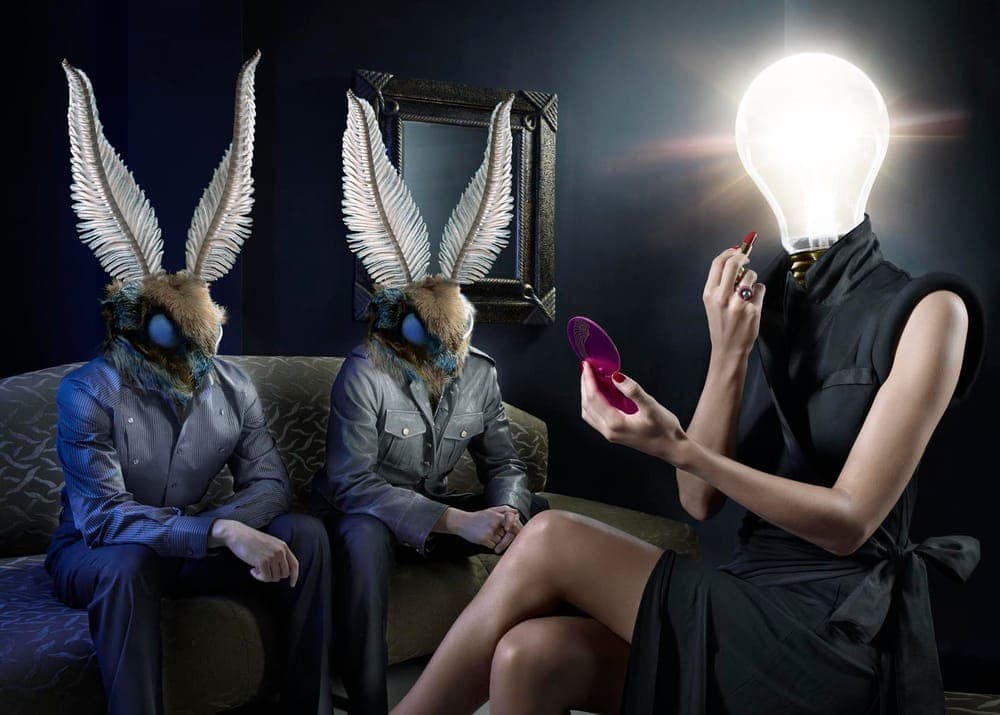
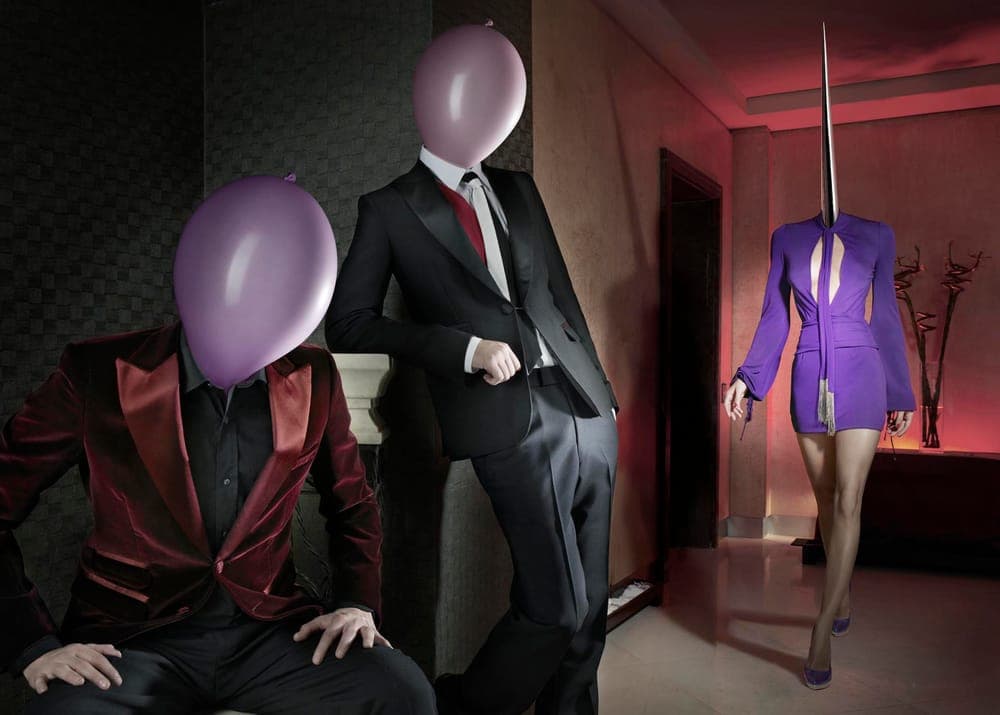
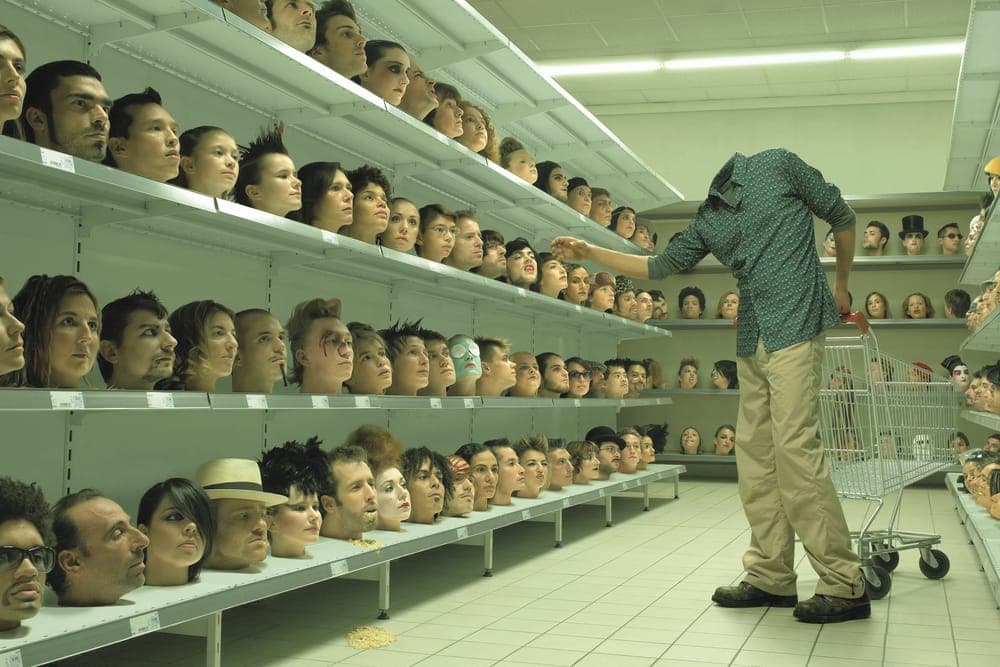
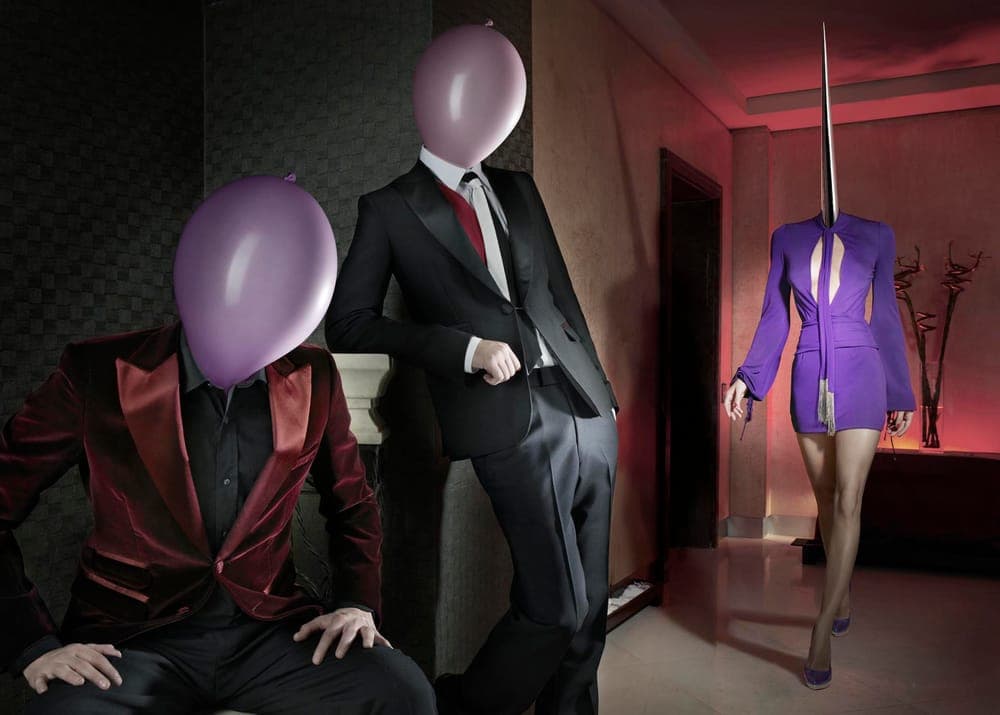
The 2003 PlayStation campaign made his name: real bodies pushed into impossible situations, photographed so matter-of-factly that the impossible part reads as documentary. It set the pattern for everything after: images that are openly constructed and still feel physical.
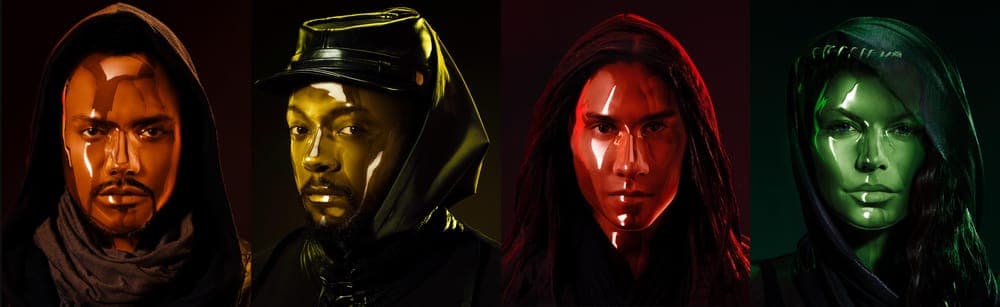
In 2008 he made the Virtual Girl project with Daft Punk, folding 3D elements into photography years before that was a common move. The subject (a person who is partly rendered) is the question his later work keeps returning to.
That question led him to photogrammetry: hundreds of photographs computed into a single 3D model. His 2018 series 'L'humain illimité' (Human Unlimited) photographs people as scanned geometry: portraits taken from positions no camera could occupy, of bodies that are entirely real.
As CEO of Kklone he builds photogrammetric models and digital experiences commercially, including a project for EDF shown at the VR Arles festival. As a consultant at Mazarine Paris he advises on web3 and curates artists for events.
His commercial clients have included Adidas and Nike. The awards shelf holds a Grand Prix from the Cannes Lions, further gold and silver Lions, and Clio awards.