LATTICE: the pool
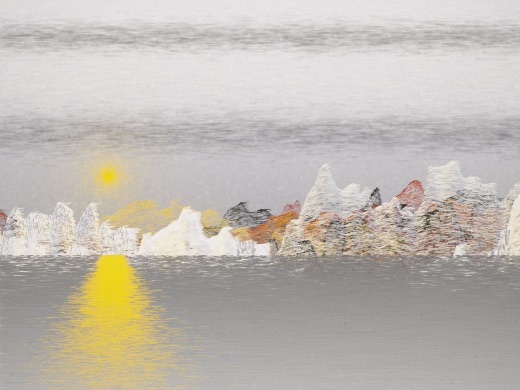
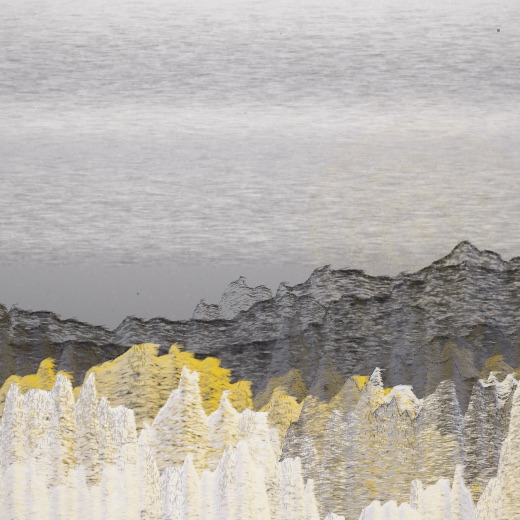
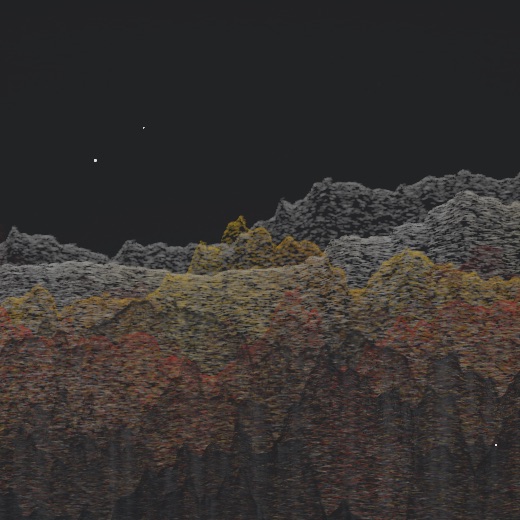
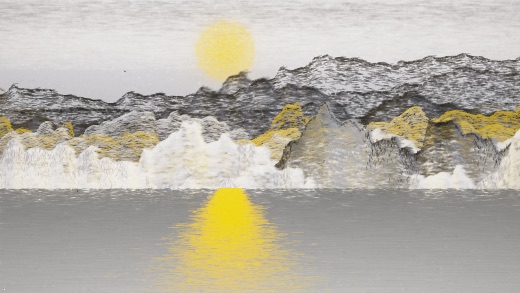
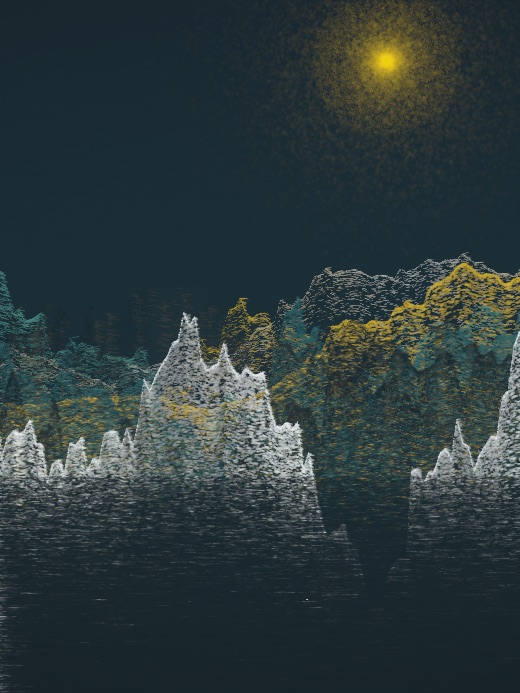
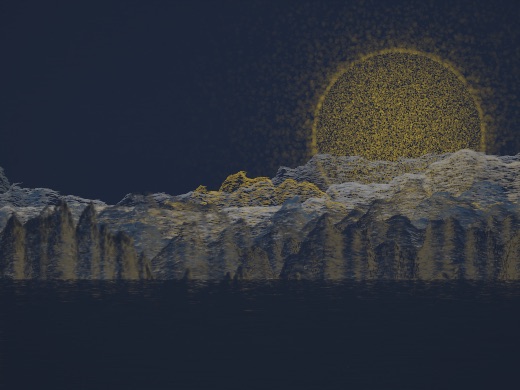
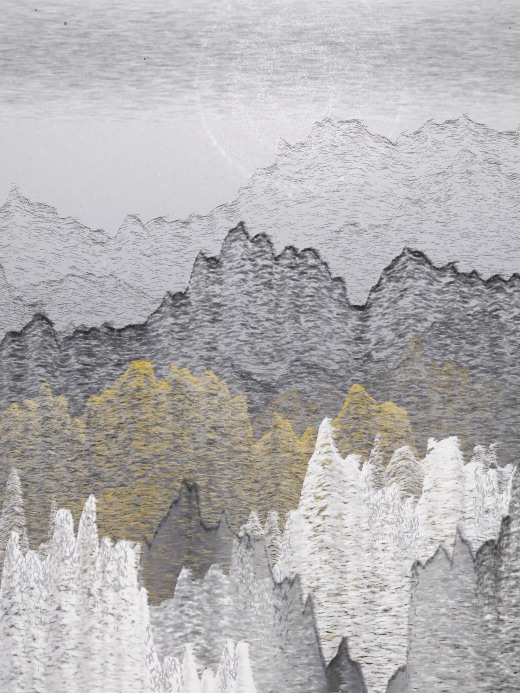
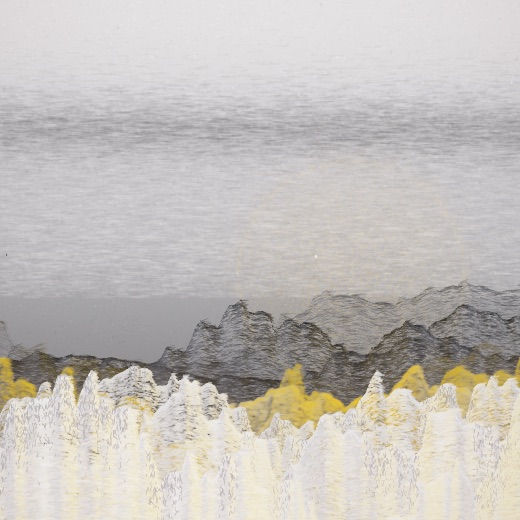
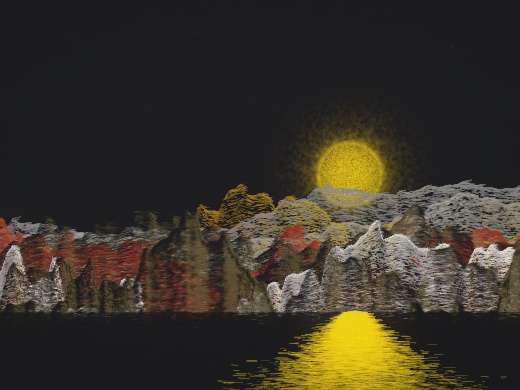
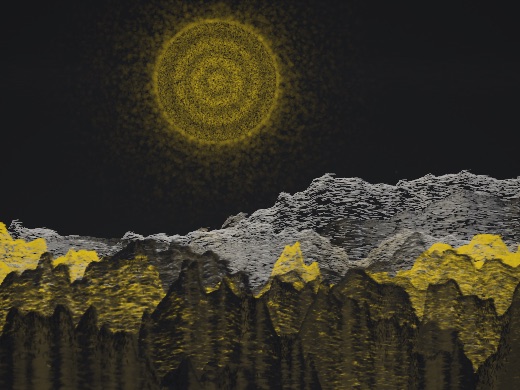
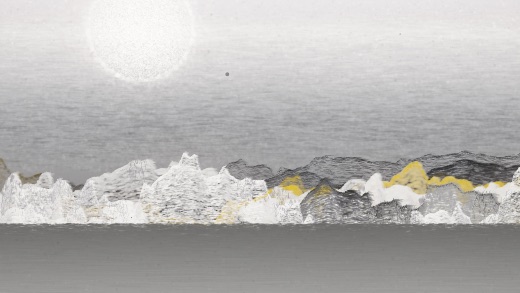
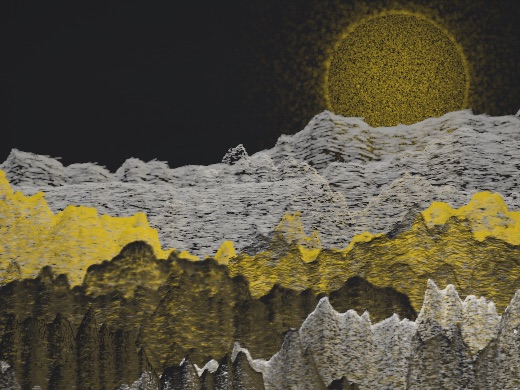
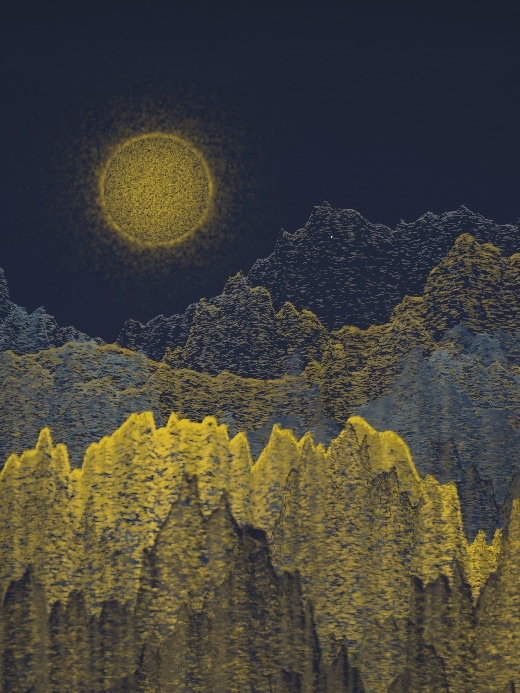
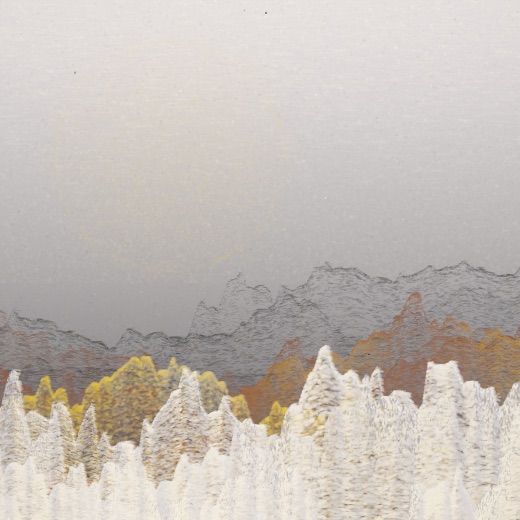
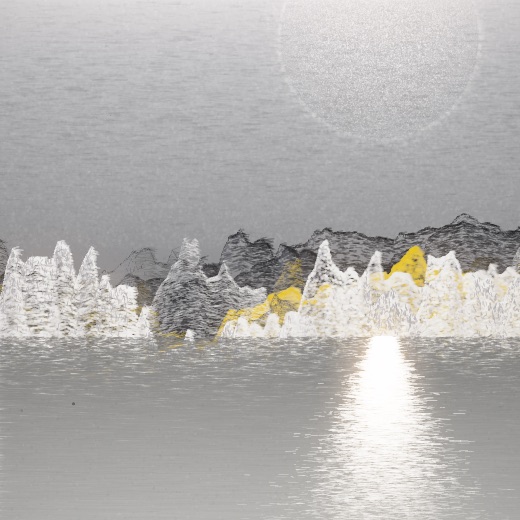
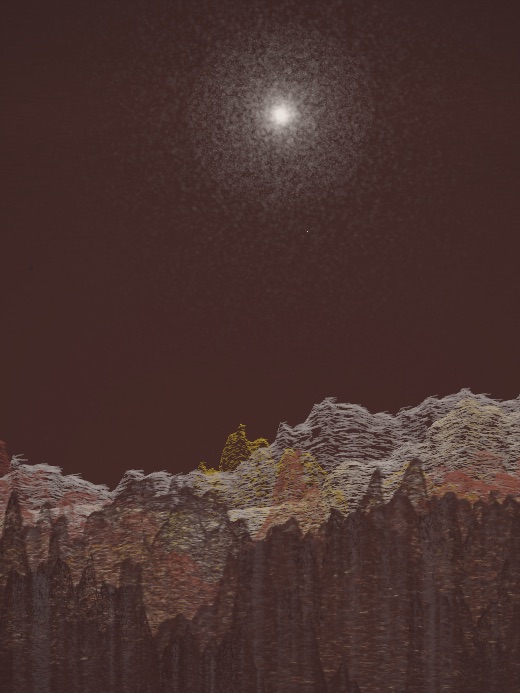
Everything the engine painted for 生涯, before anything was kept or killed. A generative collection is judged on the pieces a human chose, but the choosing deserves a public room. These are all 240 candidates, each with its seed and its traits on the plaque. The engine is deterministic: the seed is the picture, at any size you ask for it, and the land itself is a ledger, every range in every frame one year of Ethereum's life, drawn from its real daily prices. At most seventy-two of the two hundred forty will survive the choosing: seventy-two, for the seventy-two million ether that existed the day the land was born. Once the cut closes, the number never grows.
And the destination has never moved: keep only the best of what this engine paints, print the survivors at full scale (up to two metres of brushed aluminium) and hang them in the open air, an exhibition among the vines. Everything else on this page (the engine, the tokens, the choosing) exists in service of a wall you can stand in front of.
What the ridges are
The land is a ledger
A ridgeline and a price chart are the same object: height over time. Every mountain range in every piece is one year of Ethereum's life, birthday to birthday, its silhouette drawn from that year's actual daily prices and roughened by the engine's landform hand. Nothing in the terrain is invented: the manias are peaks, the winters are low strata. That is why every candidate in this pool stands on the same years, the same silhouettes, the same scars, while no two pieces share a sky.
Every birthday, a range
Each July 30 a new range rises at the shore and pushes the past one step deeper into the haze. Aerial perspective is not a technique here, it is memory. The oldest year stands farthest back. The picture deepens for as long as the chain lives.
The raw edge is today
The newest range runs only as far as the year has actually run. Its cut edge dives into the water where tomorrow hasn't happened yet. The picture is unfinished because the year is.
Designed, and declined
There was to be a machine for letting go: a standing offer on every piece, and selling into it would stop the writing forever. It is built and published, and it is not being deployed: it lives in a pool where a paid ticket draws for a prize, which is a lottery in most jurisdictions. Counsel decides that, not code.
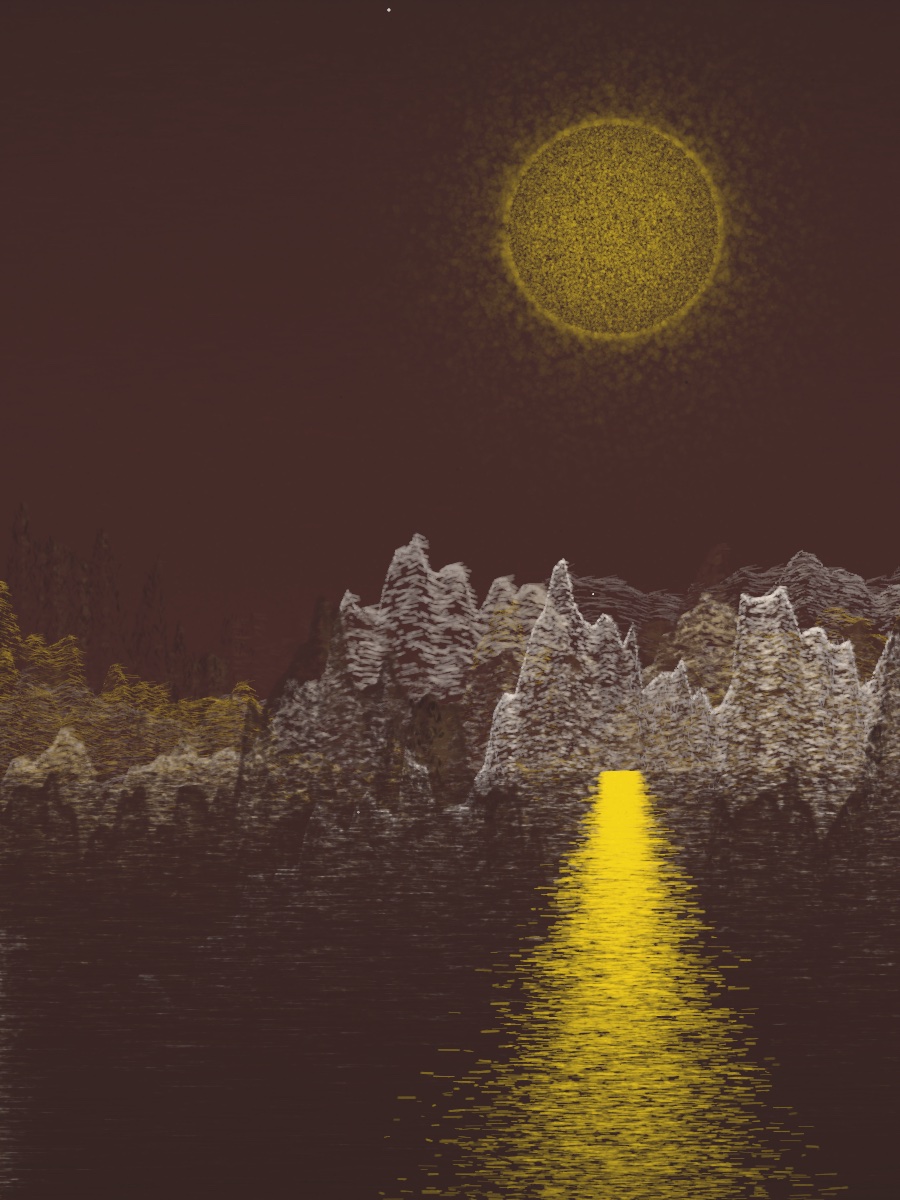
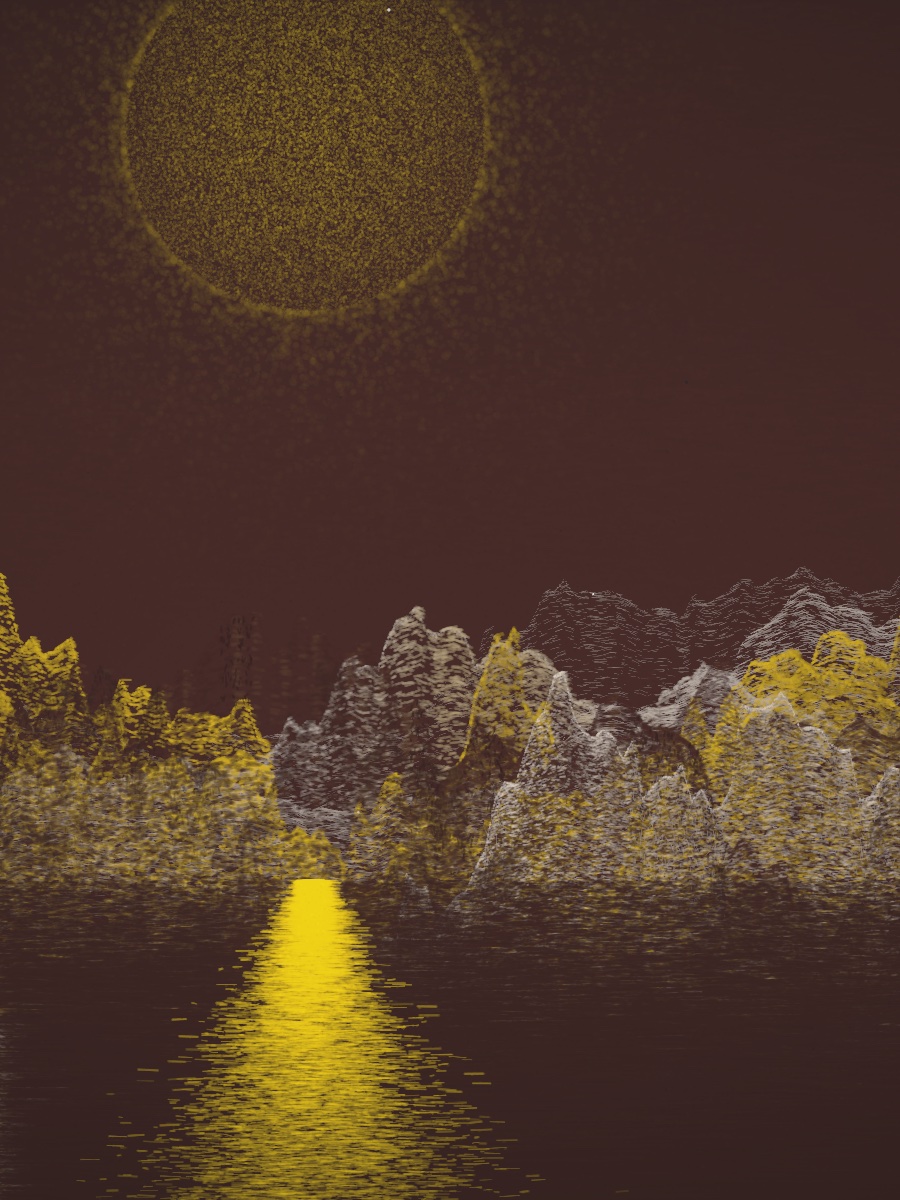
Everyone lived the same chart; they held differently. Bitcoin's halving epochs remain the collection's lore spine (the artist's own forced sale in 2013 is where the idea of a picture that stops came from), but Ethereum, whose birthdays raise the ranges, is the land itself. The registers on the plaques below are the light a piece is painted under: Nightfall, First Light, Full Day, Saltflat, Weather. The years underneath never change.
Every year Ethereum lives, the landscape deepens. Let go, and the light never moves again.
生涯
The name
Seigai: a lifetime. 生 is life, the house's own mark. 涯 carries the water radical: its old meaning is the bank, the shore, the limit where land runs out. The Japanese word for a lifetime is literally life, up to its shore, which is the picture: years descending to the water, the newest cut at today. In the frozen state the engine paints, the light settles onto 涯 itself, the water's edge.
Standard Japanese reads the word shōgai; the house reads its own character the way it always has: sei. And the echo of 青海波, seigaiha, the old wave pattern of infinite continuity, is a rhyme we did not plan and will not correct.
Which ridge is which year
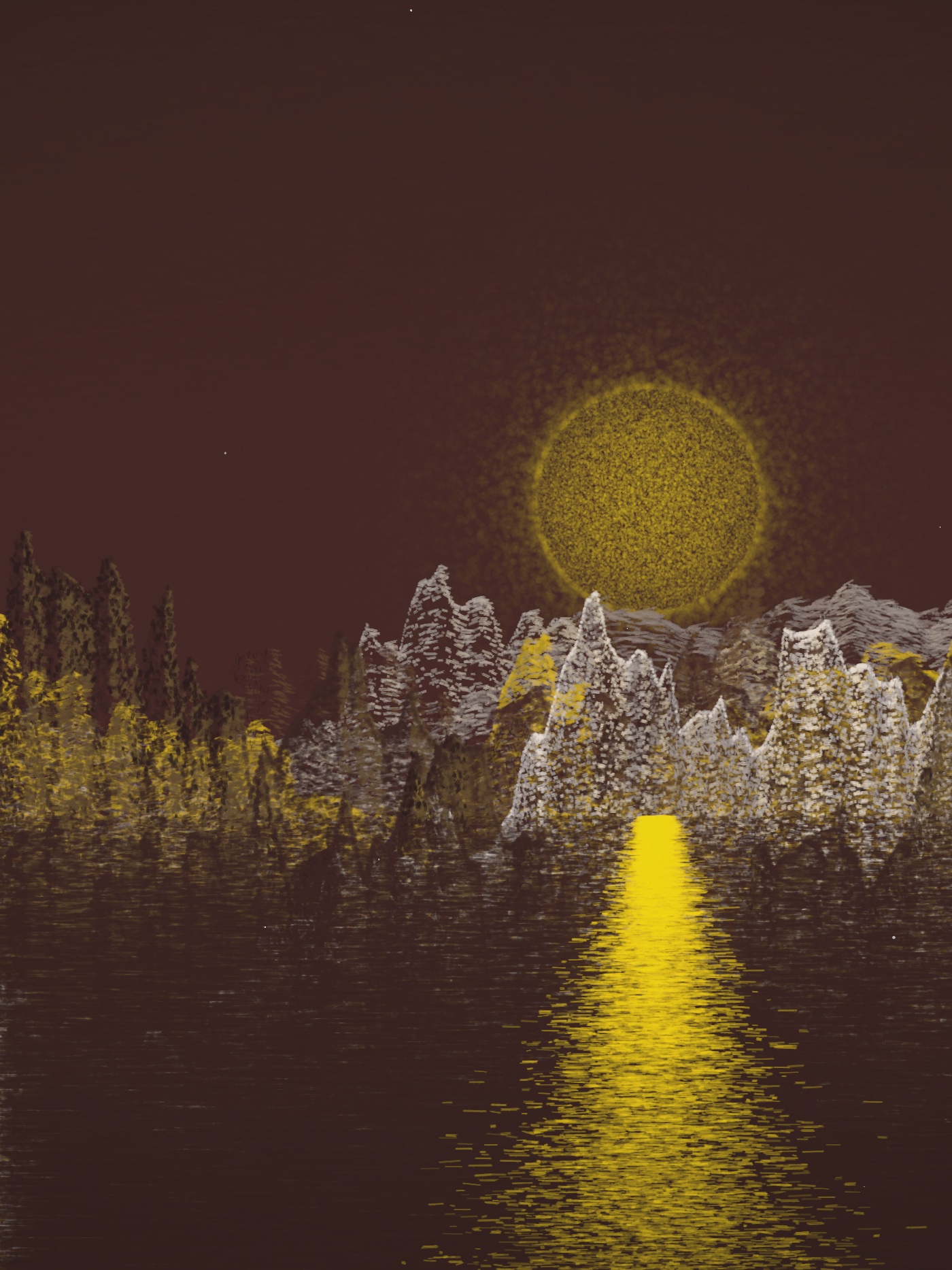
Depth is time: the picture is read from your feet to the horizon. The range in front, the tallest and sharpest, is the year being written now; its raw edge is the current day. Every ridge behind it is exactly one year earlier, and the faint line on the horizon is Ethereum's first year. On July 30, 2027 the thirteenth range rises at the shore, and every ridge you see steps one year deeper into the haze.
Front of the picture to the horizon, one row per range. Every candidate stands on these same years, each July 30 birthday to the next, silhouettes drawn from the real daily prices in between.
Why this material
Simply here
For over a decade this was a subculture's material: the weirdo asset, charts flickering for a passionate minority while the institutions of culture looked politely away. That era ended without a press release.
By mid-2026, more American adults hold Bitcoin than own gold: nearly one in five, against one in nine. It took seventeen years for an experiment among a handful of programmers to pass the store of value humanity had five millennia to agree on. The charts, the winters, the manias (the material these landscapes are painted from) now sit in retirement accounts, corporate treasuries, and family portfolios. A shared landscape, in the most literal sense we could manage.
The pieces in this room treat that arrival as fact, not novelty: Ethereum's price history rendered as landform, Bitcoin's origin scars carried as lore: contemporary material, examined with the seriousness once reserved for older symbols of value.
18.6%
of American adults hold Bitcoin
49.6 million people, mid-2026
10.8%
own gold
28.8 million
River, on Nakamoto Project survey data. Bitcoin passed the five-millennia store of value in its seventeenth year.
Crypto is no longer the underground weirdo asset. It is simply here.
How a picture is grown
One seed, five skies
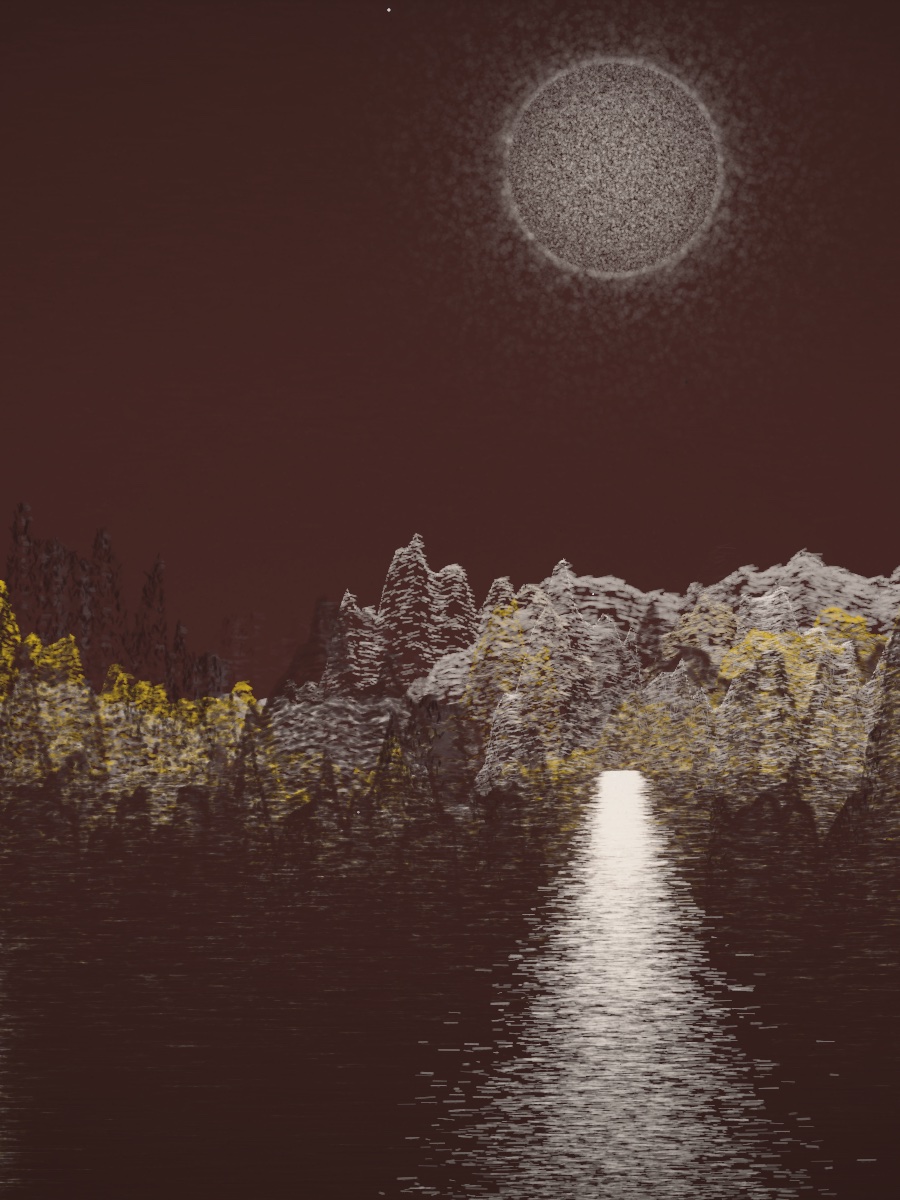
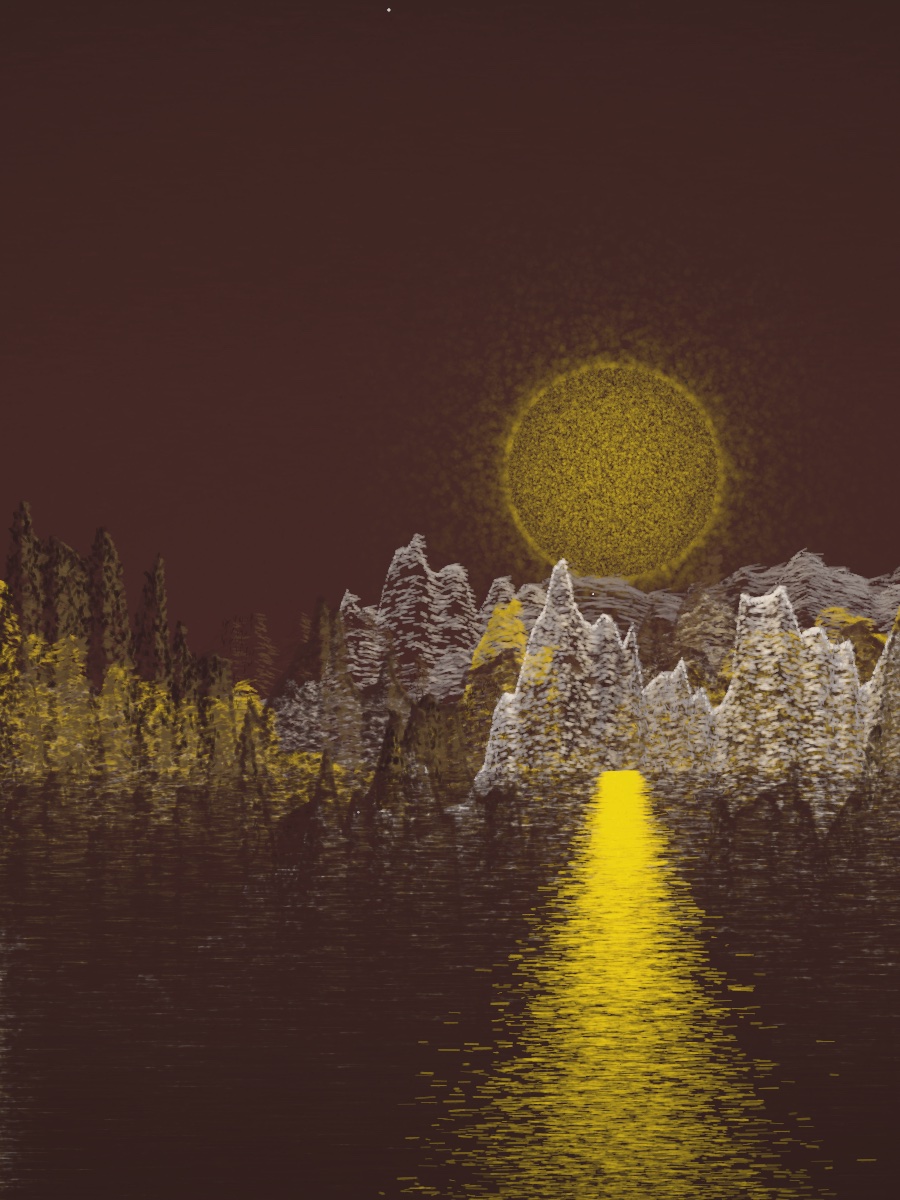
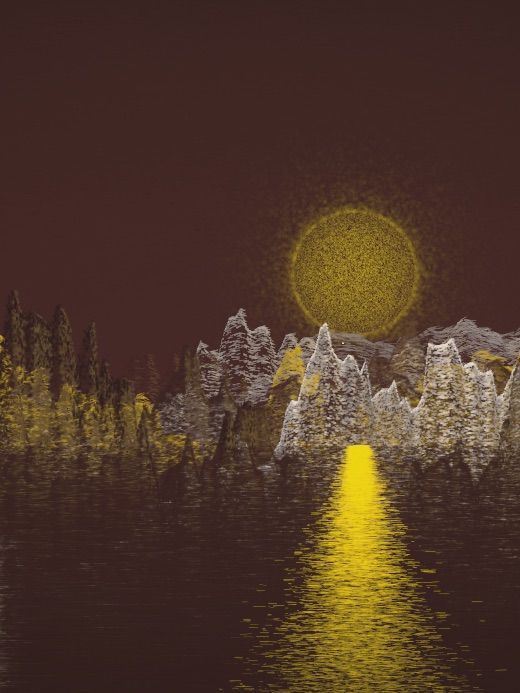
Every candidate is sixty-six characters and a method. To show what that means, here is candidate #1, the grail, repainted under each of the five registers: one trait overridden, everything else held. The years do not move. The ridges do not move. The raw edge stays at today. Only the light changes, which is the point. The land is fact; the sky is the draw.
Alive, and frozen
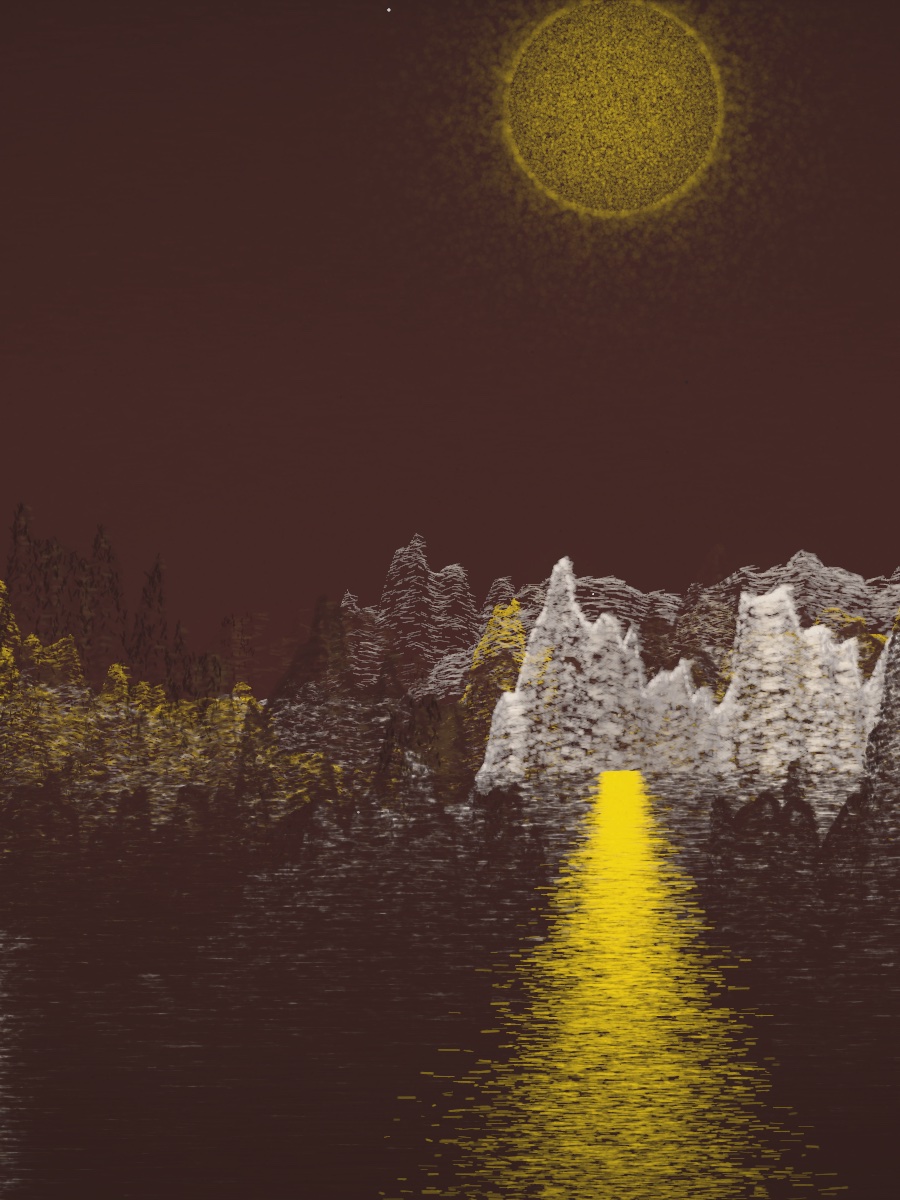
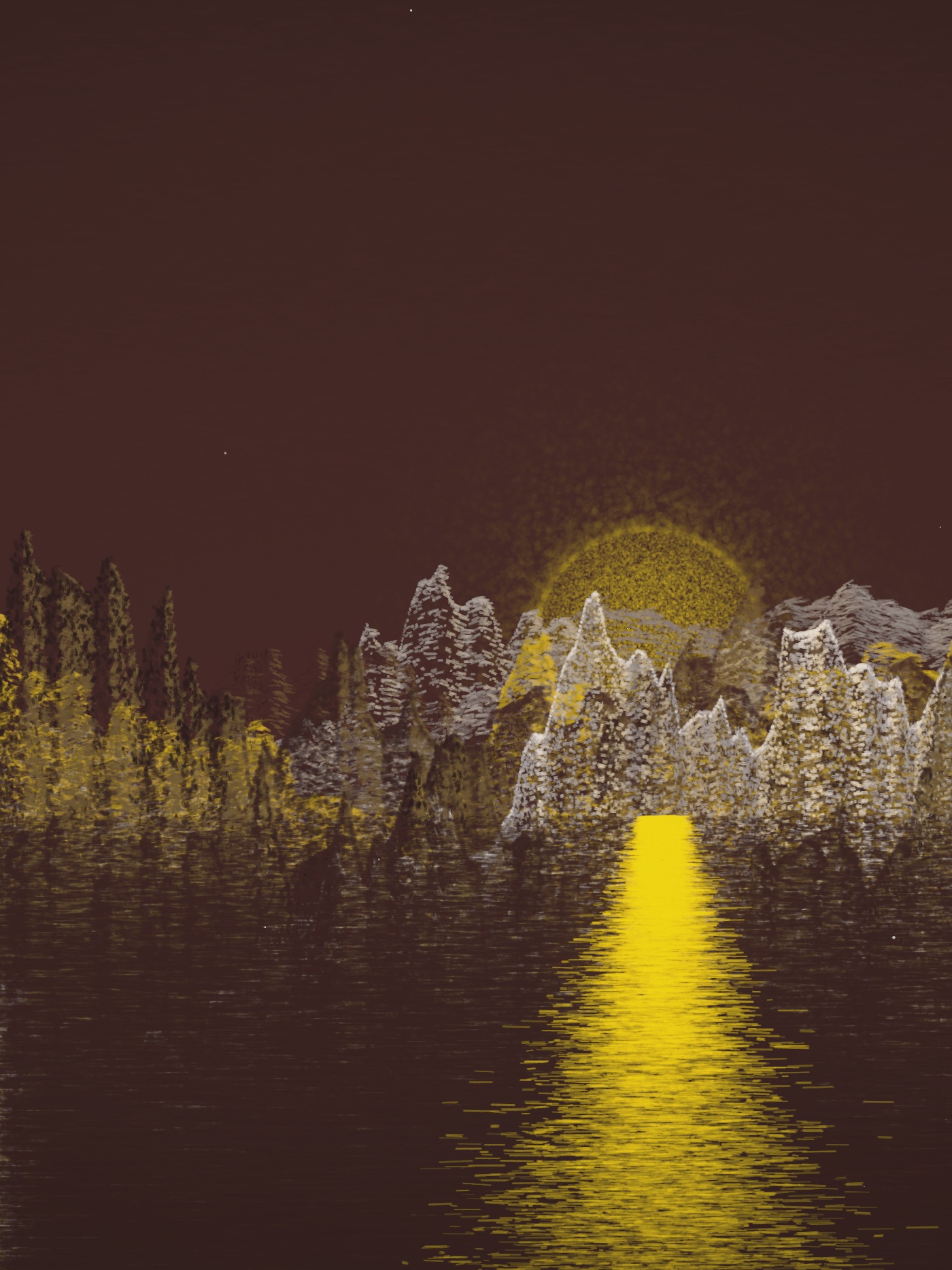
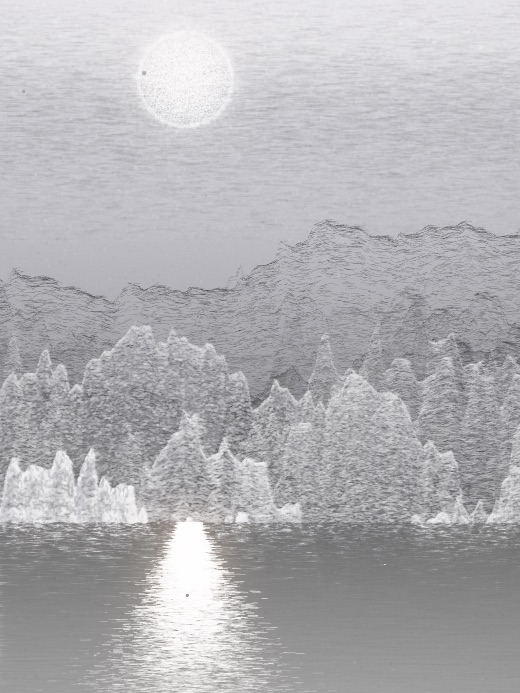
And the one change that is not a trait: the state. The same seed twice. Alive, the newest range runs to today and the sun stands high. Frozen, the ranges stop arriving and the light settles onto the horizon, never to move again. Both are states the engine paints from one seed, and either can be asked of it at any size. What no longer sits behind them is a contract that decides which one you get; see below.
Who was going to do the freezing
No person was to freeze a piece, and no person could refuse to. Accepting the standing offer would have been one gesture: the same public act that paid the seller told the clock the writing had ended. Three small machines shared the work, they are written, and they are not being deployed. The reason is below them, and it is not a technical one.
The clock
Would have kept two facts per piece: how many birthdays it had seen, and whether (and at exactly what hour) its writing stopped. Only the room could tell it to stop. No unfreeze, and no key that could add one. Written, unbuilt.
The room
Would have held the standing offer: real money, set aside in advance, good any hour. Accepting it paid the seller and stopped their piece's clock in the same breath. Capitulation could not be quiet, and could not be faked. Written, unbuilt.
The painter
The engine remembers nothing. It reads a seed and those same two facts (given to it by hand now, not by a contract), and paints: growing, or the light settled onto the horizon. Anyone can run it and get the same picture, to the pixel. This one is real, and it painted the genesis.
Why it is not being deployed: the machine above lives in a pool where a paid ticket draws for a prize, which is a lottery in most legal frameworks, and a verifiable random draw does not change that. Counsel decides whether that opens, not code: the reasoning is laid out on the desk, holes included. So 生涯 ships on ordinary audited Transient Labs contracts and nothing more exotic: the genesis as a standard one-of-one in the artist's name, the collection alongside it the same way. The clock, the room and the renderer stay written and unbuilt, carrying no one's money. Sometimes the best trade is the one you did not make.
The method, in five steps
01
The seed
Sixty-six characters, fixed by a public drawing no one, including us, can rig. The seed is the whole picture; there is no other input.
02
Twelve draws
Each trait draws from its own stream, keyed by its name. The published odds are the collection’s real distribution: honest rarity.
03
The land
Ethereum’s actual daily prices, birthday to birthday, on a log scale. The landform hand roughens the line; it never invents one.
04
The light
The register: which sky the years stand under. Five lights, one land. No two pieces share a sky.
05
The finish
A photographic film pass, then grain anchored in pixels: the tooth you only meet with your nose against the print.
What we will not publish yet: the exact weights. The choosing is not finished, and the verdicts feed the weights. They are published at mint, so the odds you read are the odds that shipped.
The print master

Candidate #1
First Light · Standing · High · Disc · Glittered · Receding · Saddle · Calm · Mid · Light · Terra · Duotone
A LATTICE piece is resolution-independent by construction: the same seed is the same picture at 520 pixels and at 7,000. What the large render adds is the grain: a tooth anchored in pixels, the thing you only see with your nose against the paper. This file is that proof at full scale.
Open the print master ↗The pool
click a piece to study it, and any candidate can be reserved from its study view: a reservation saves the piece into the collection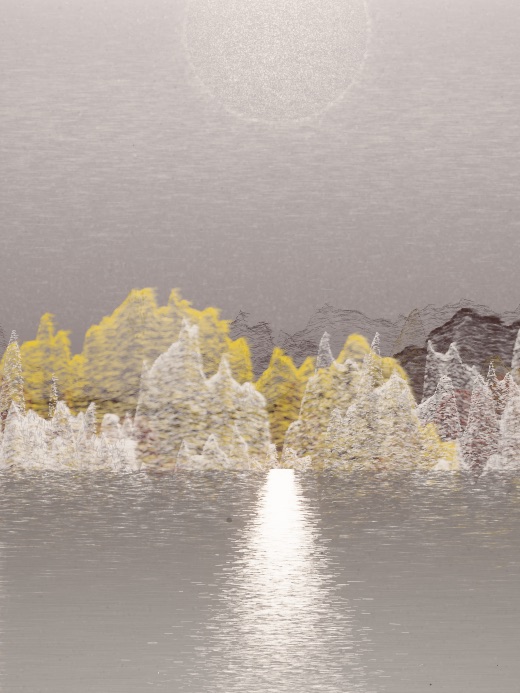
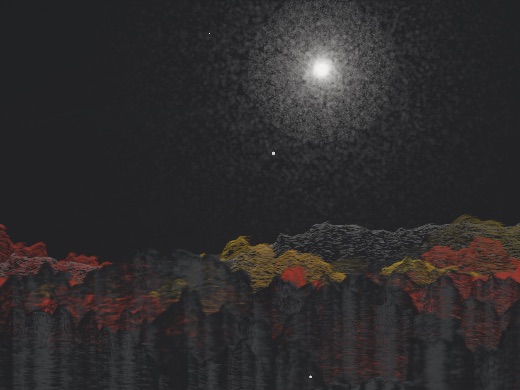
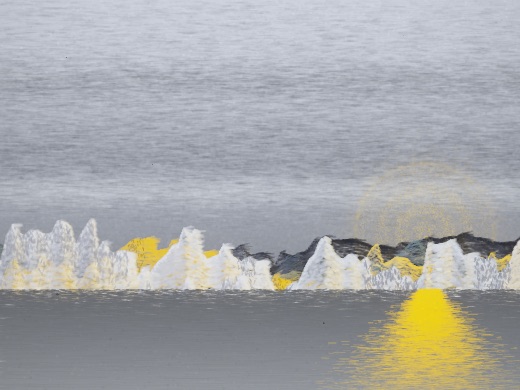
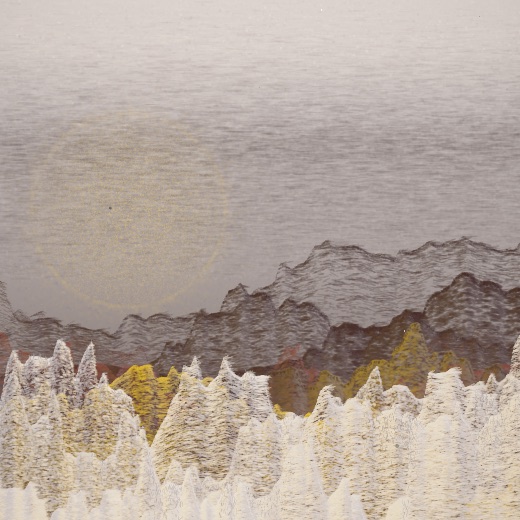
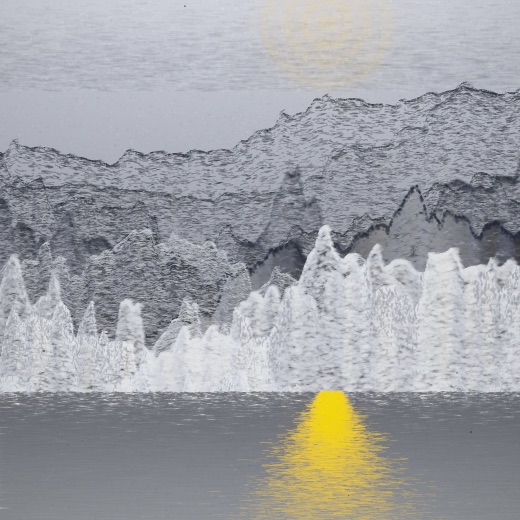
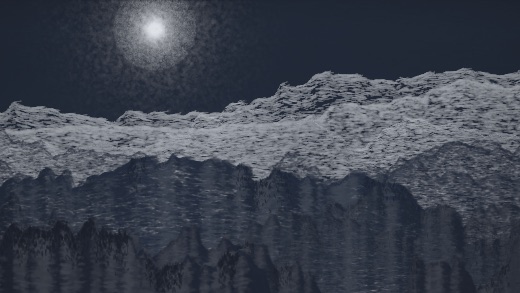
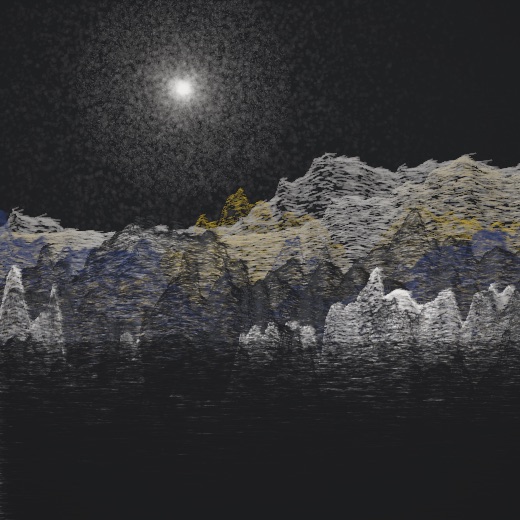
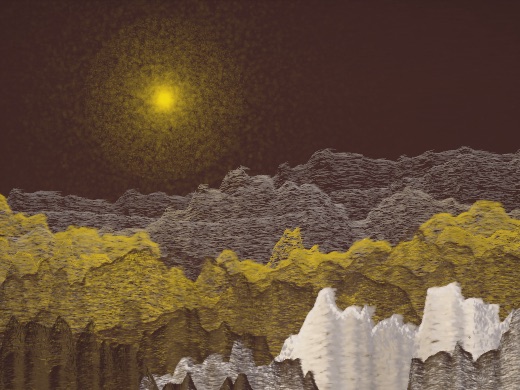
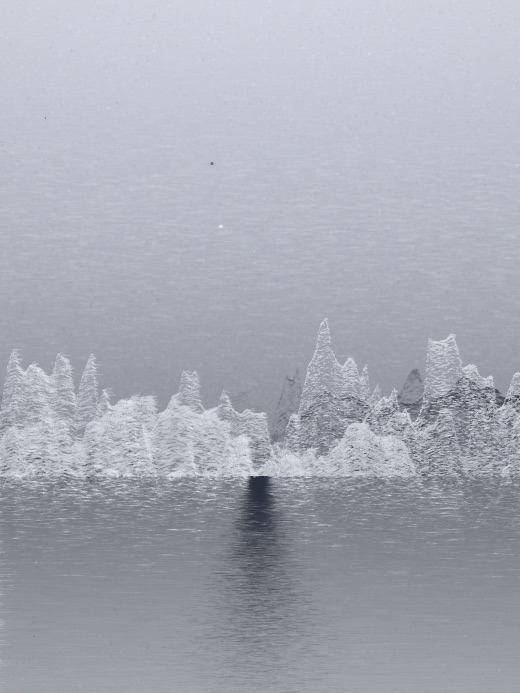
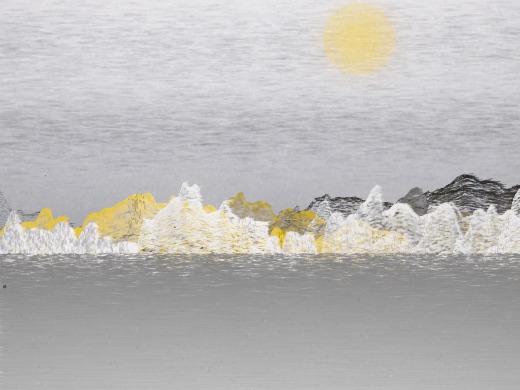
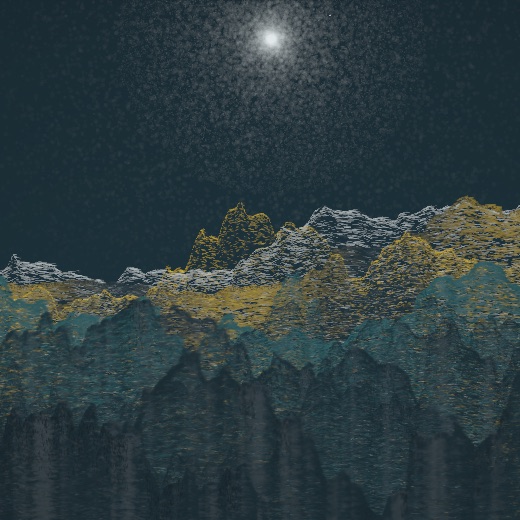
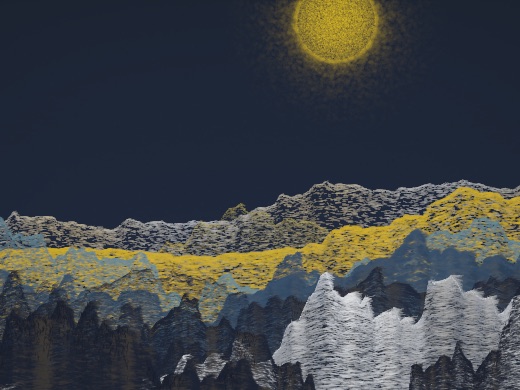
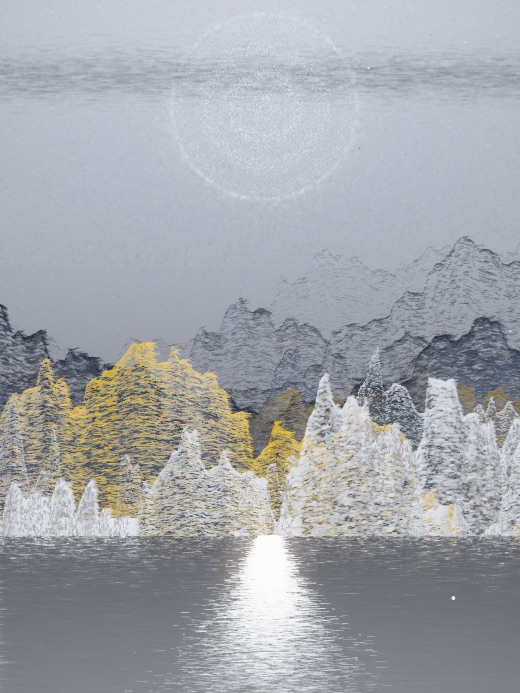
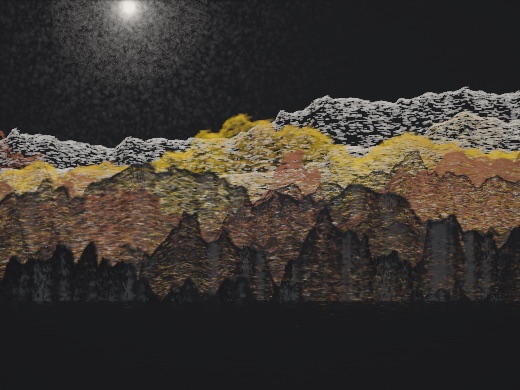
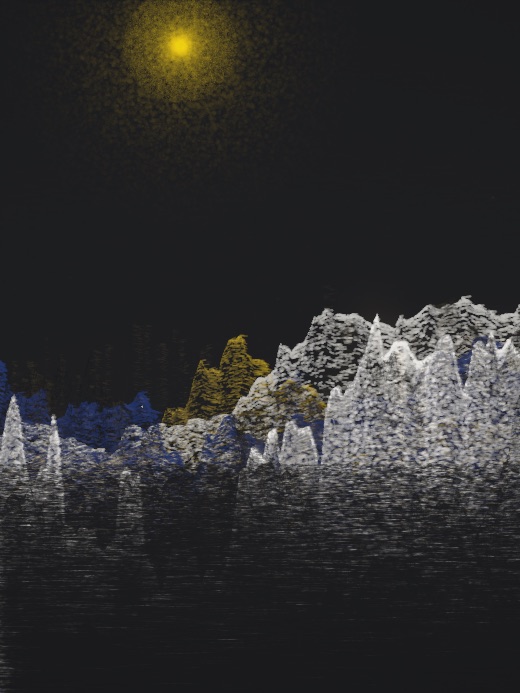
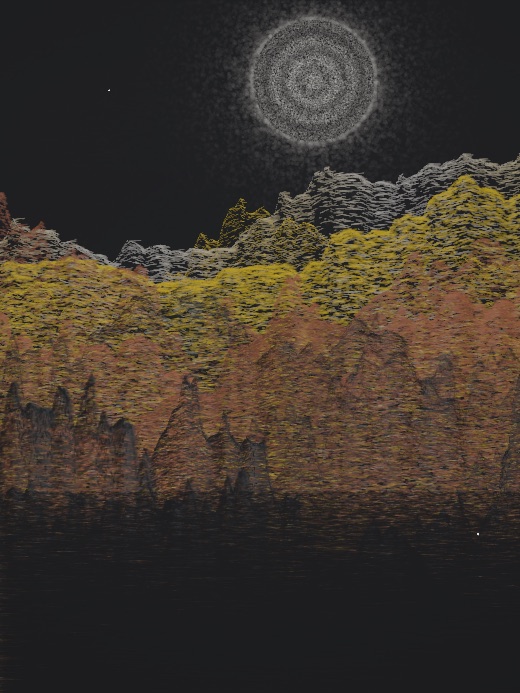
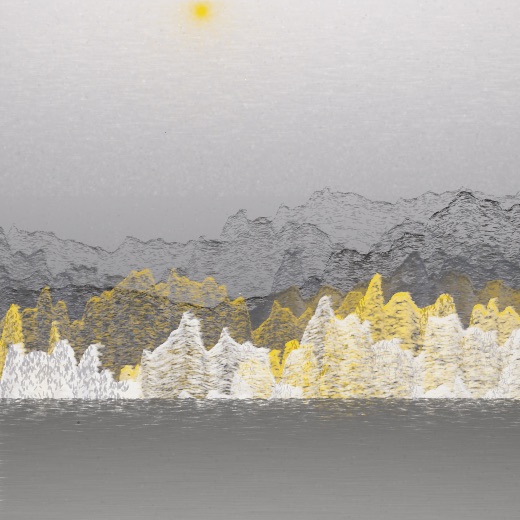
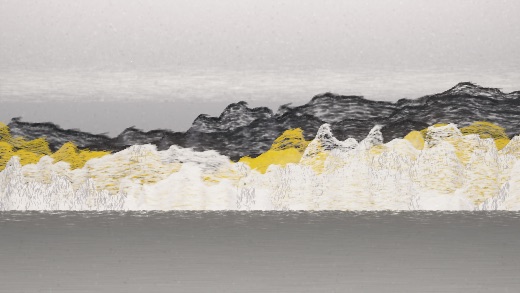
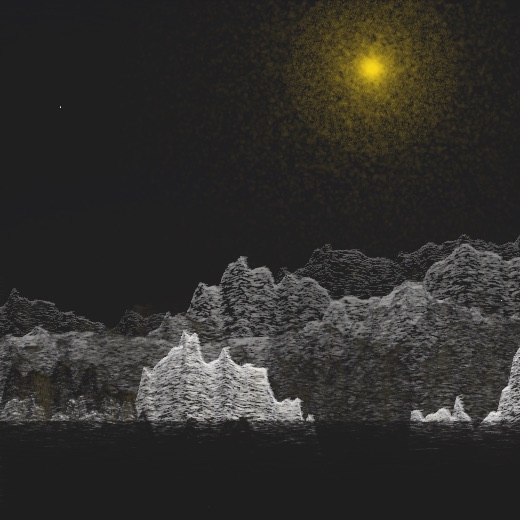
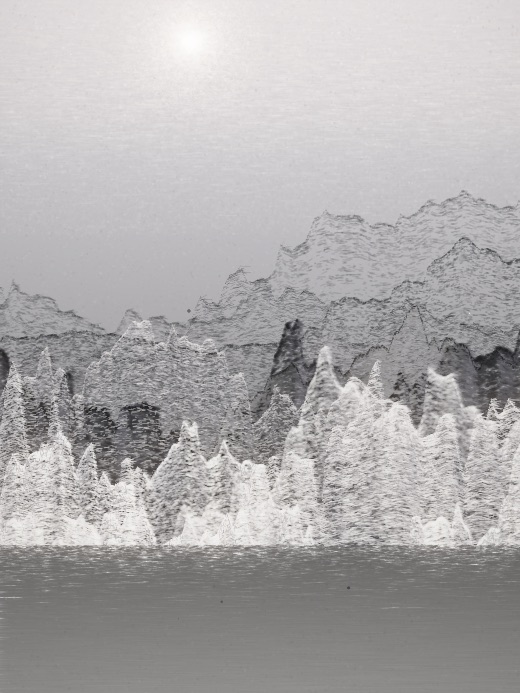
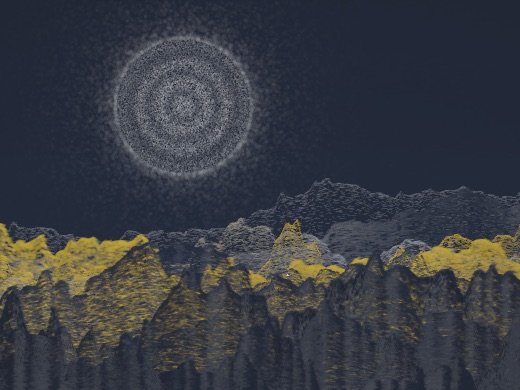
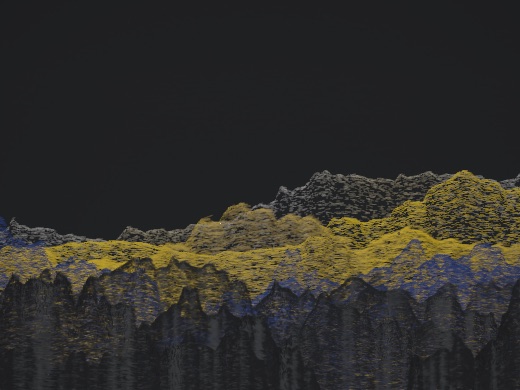
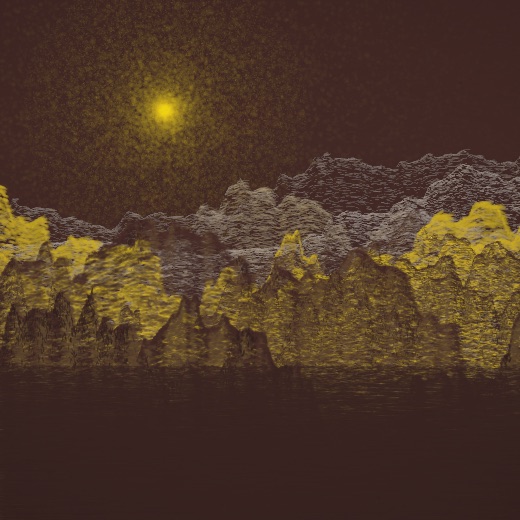
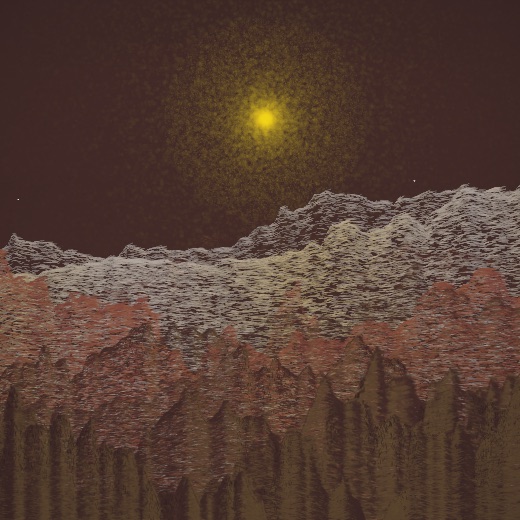
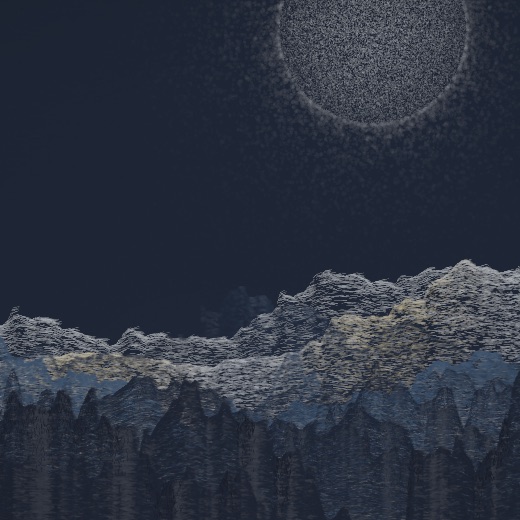
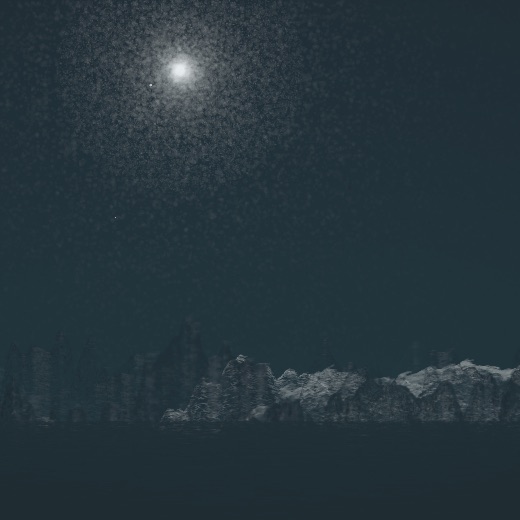
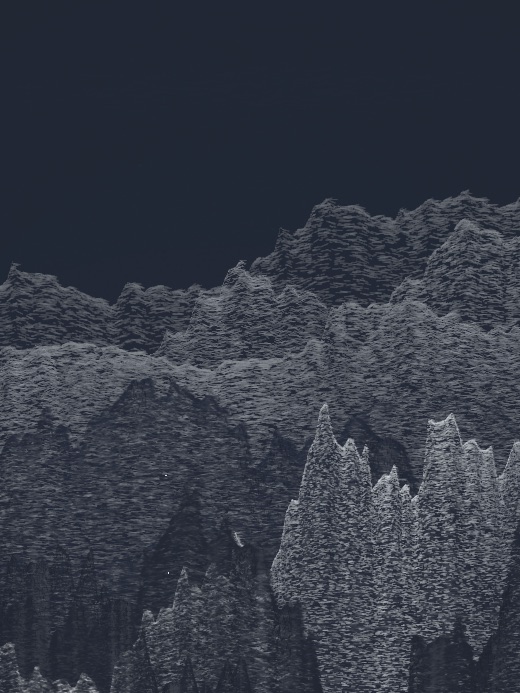
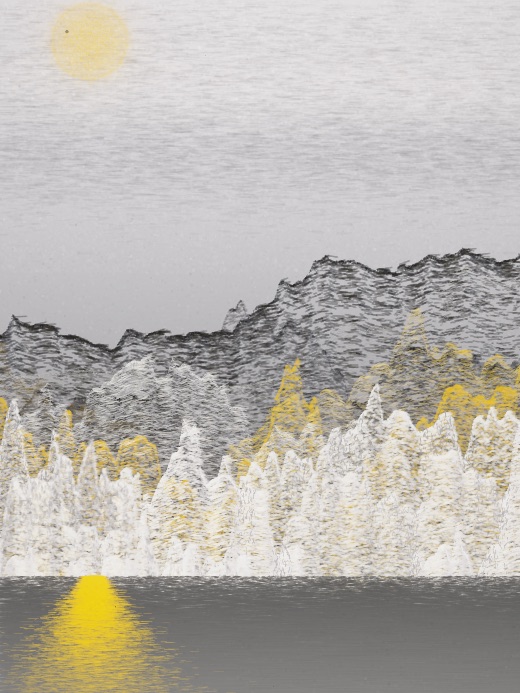
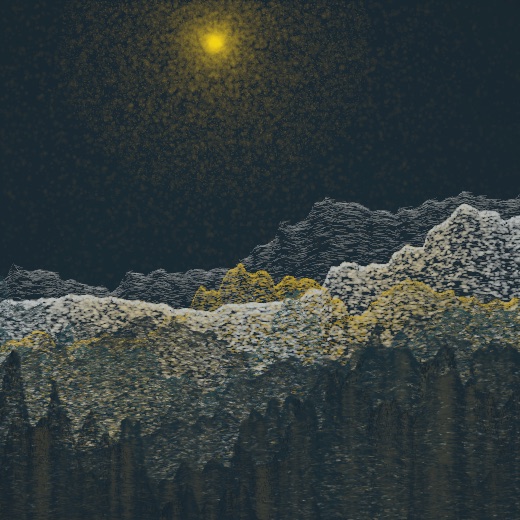
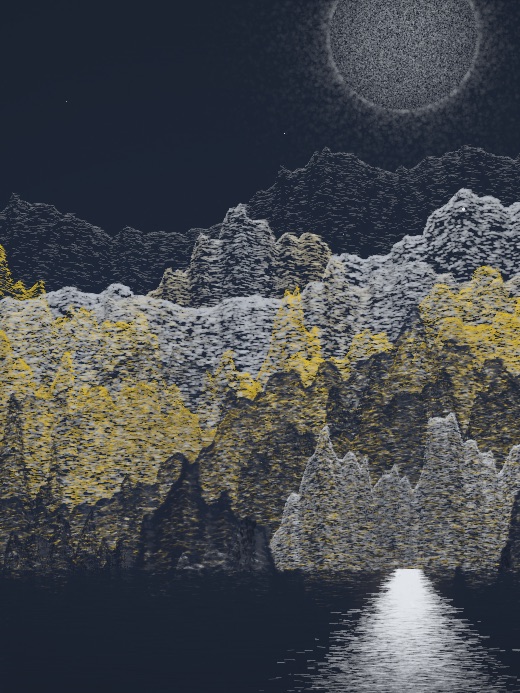
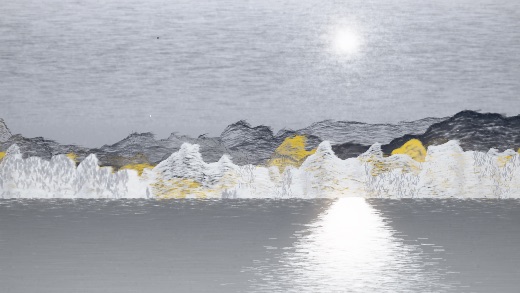
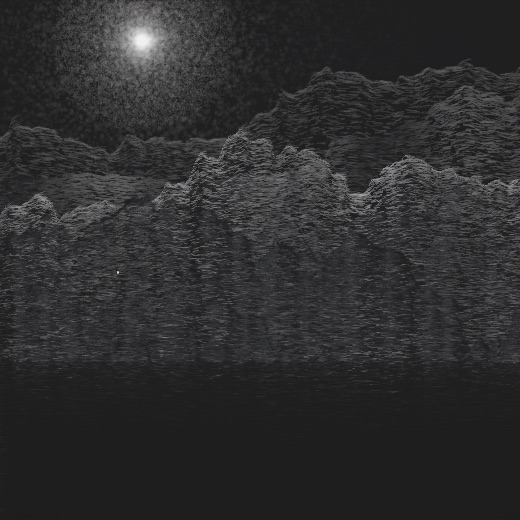
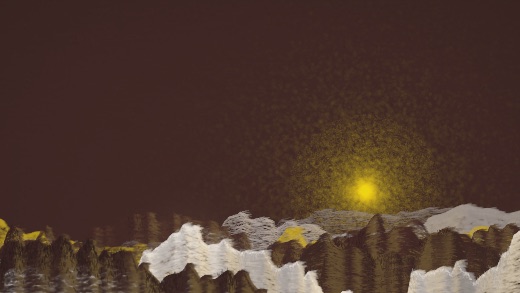
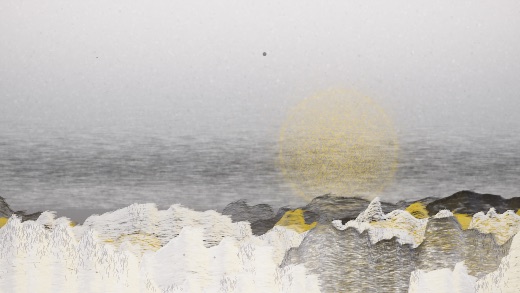
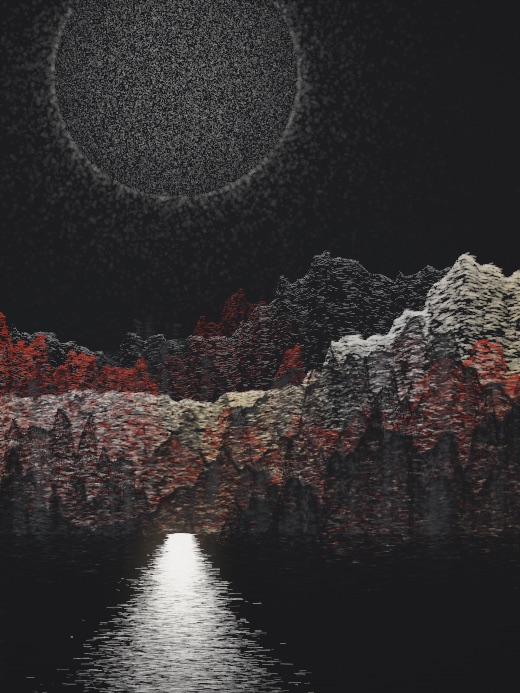
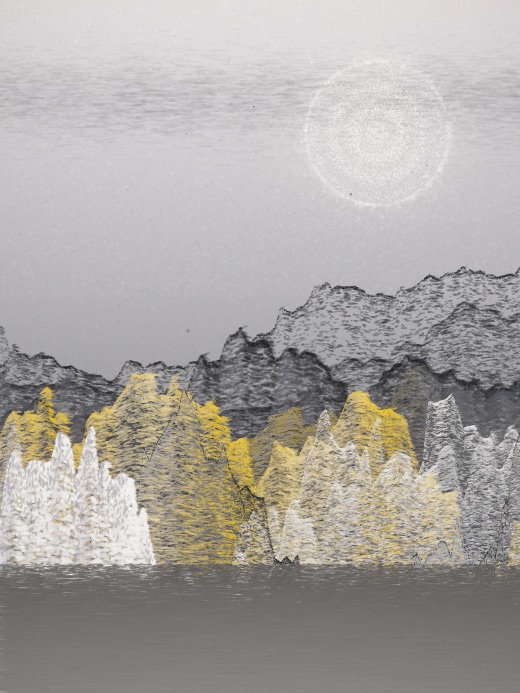
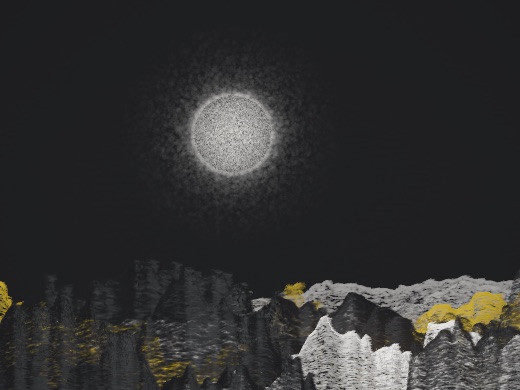
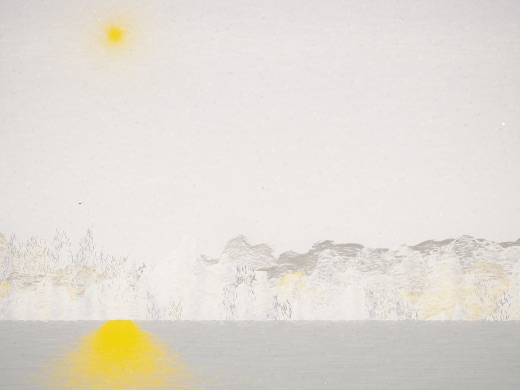
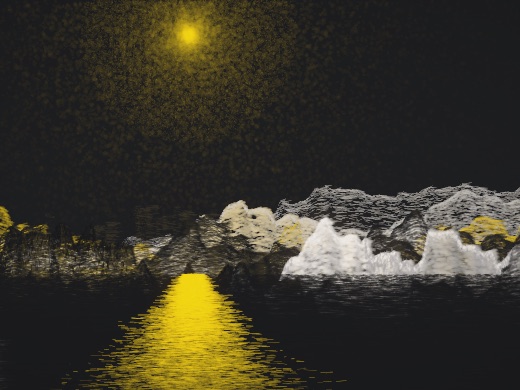
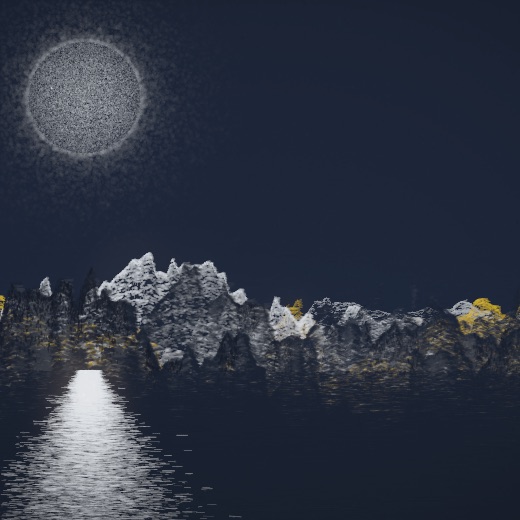
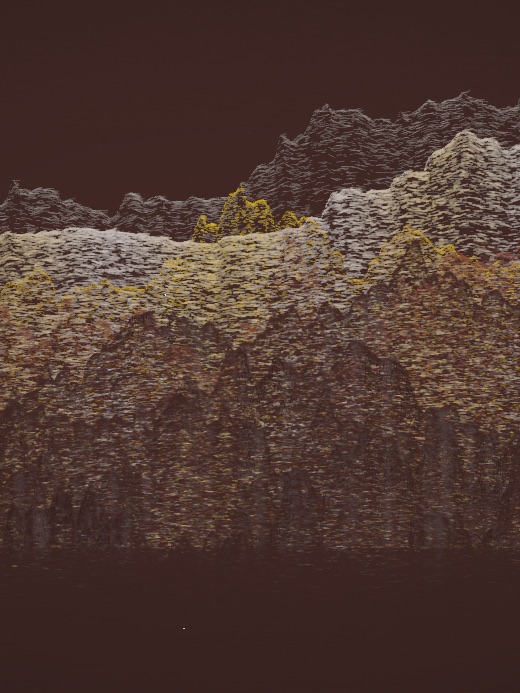
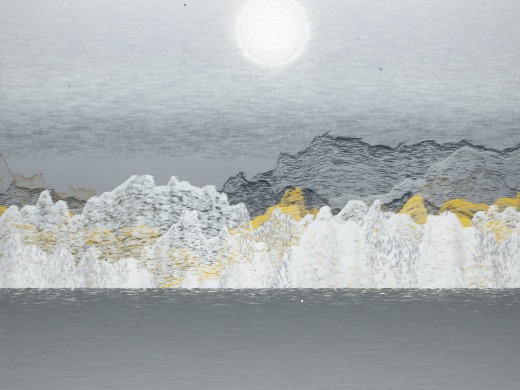
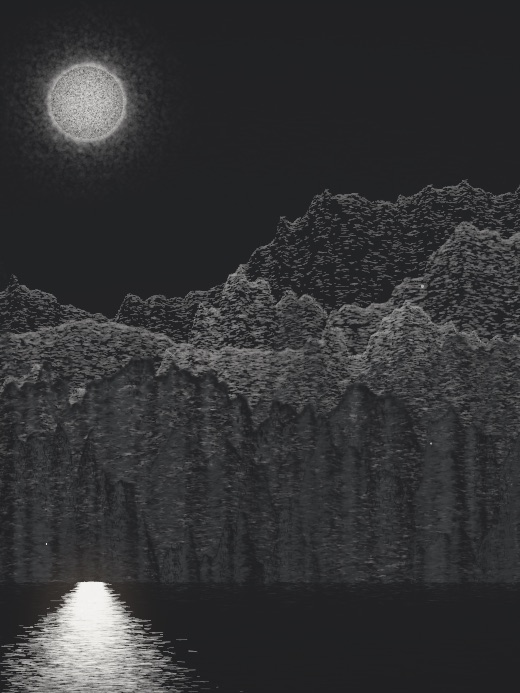
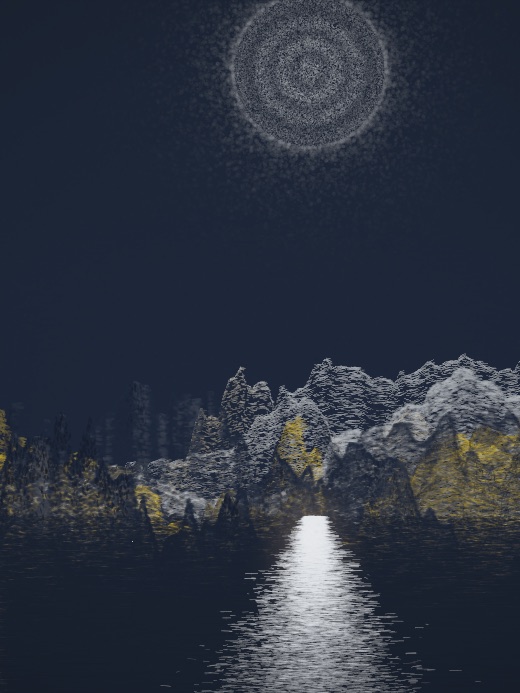
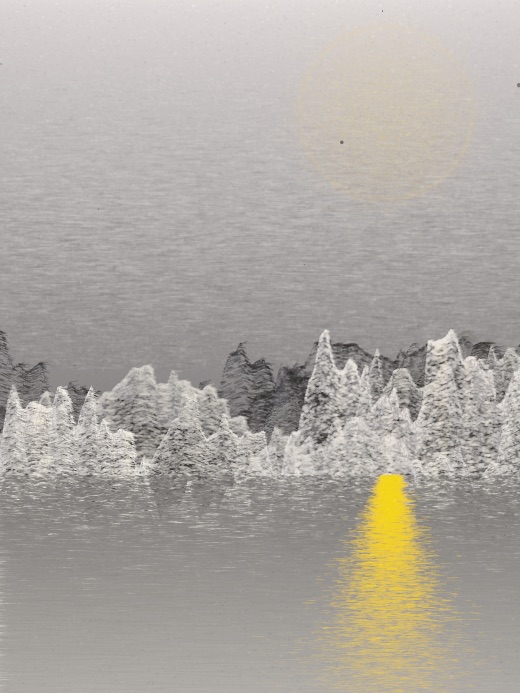
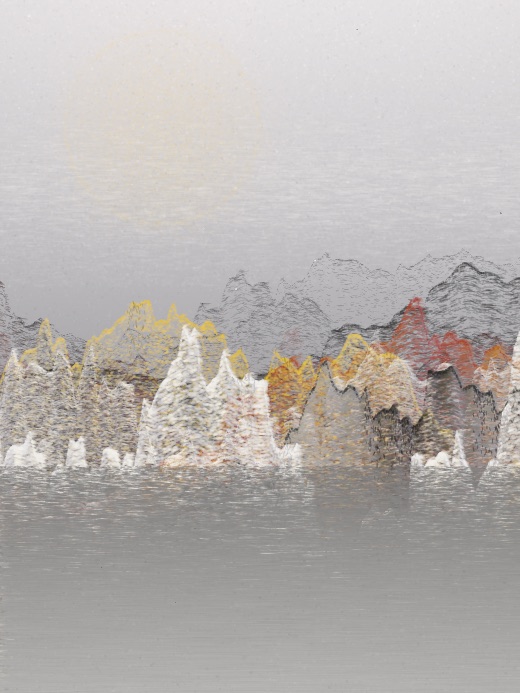
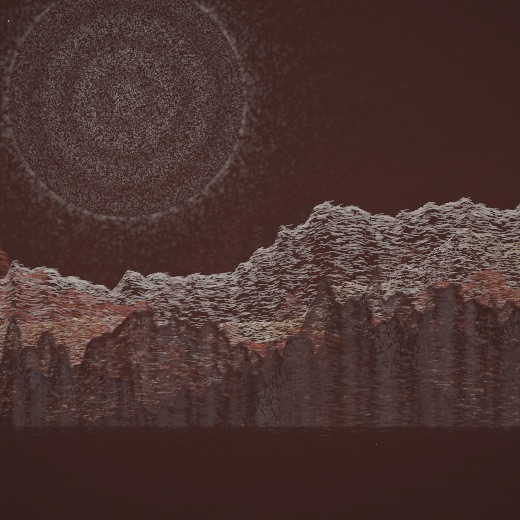
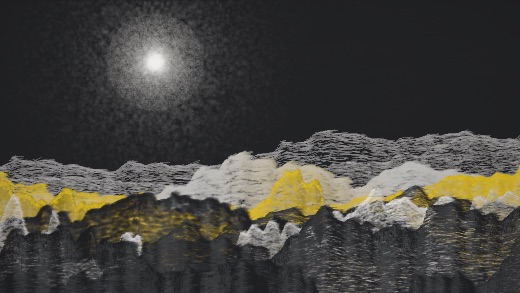
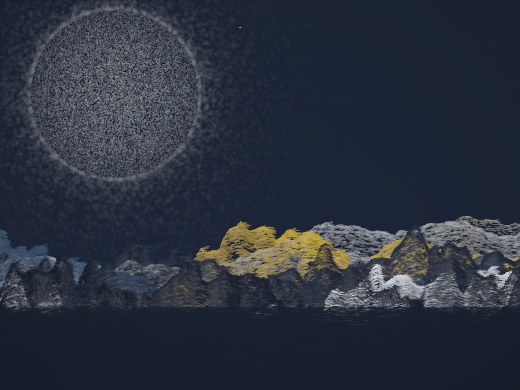
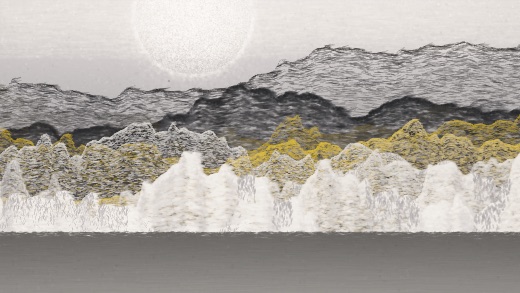
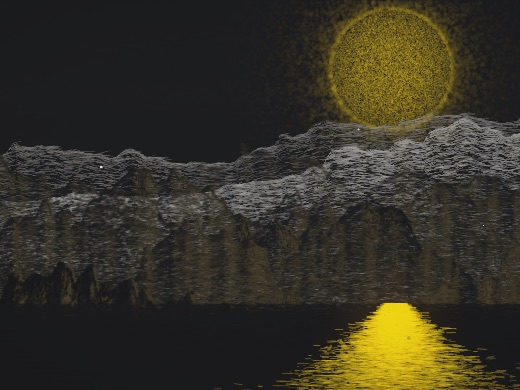
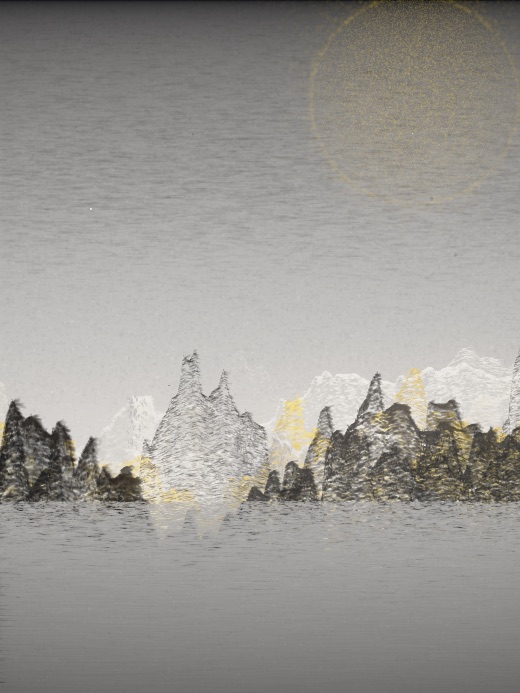
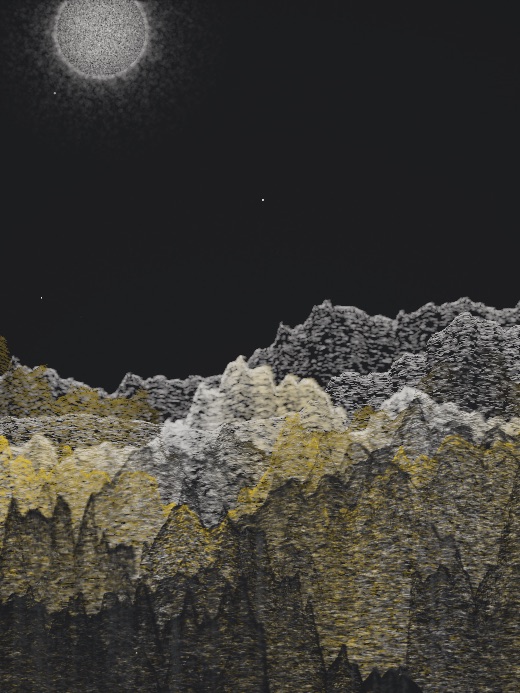
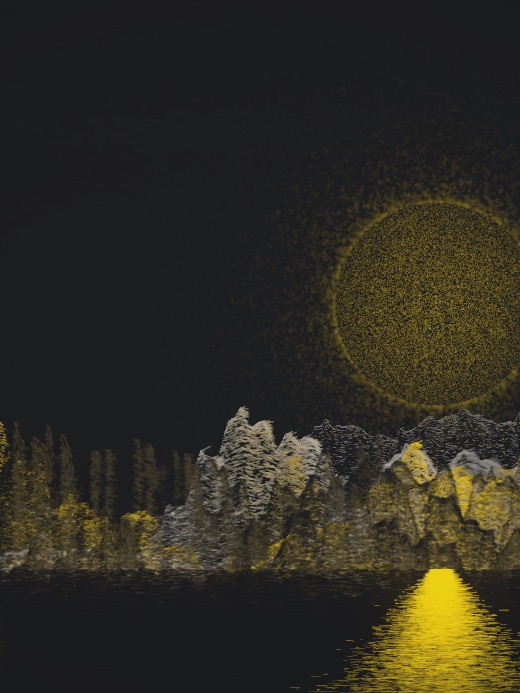
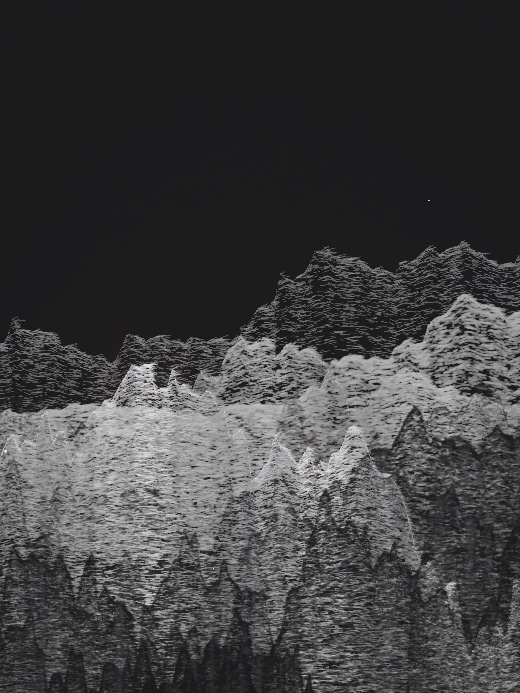
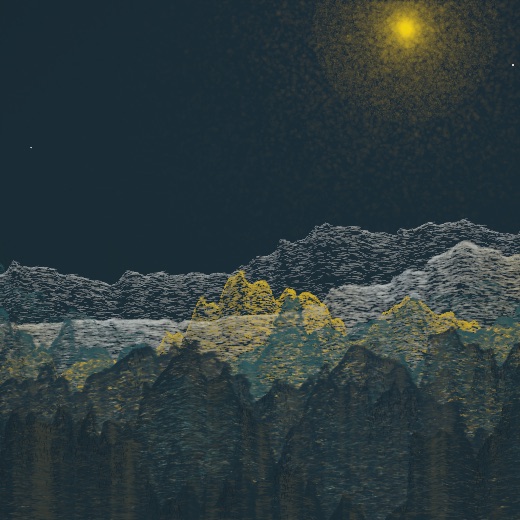
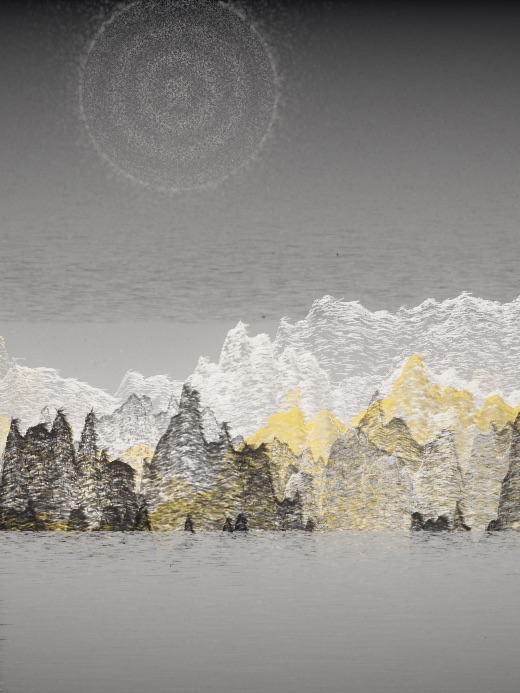
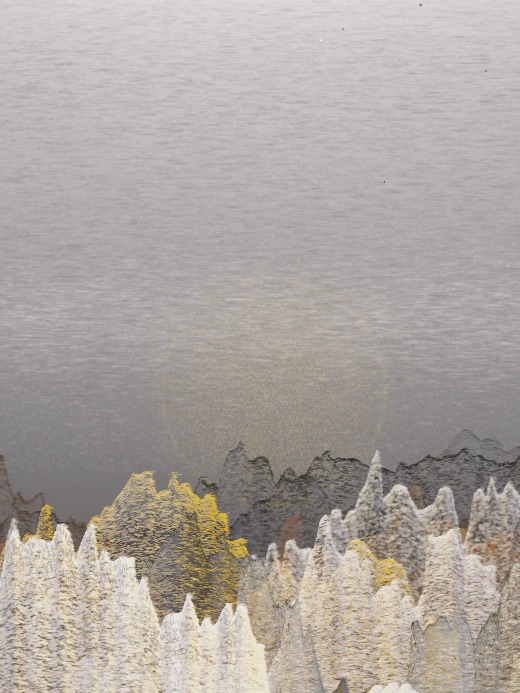
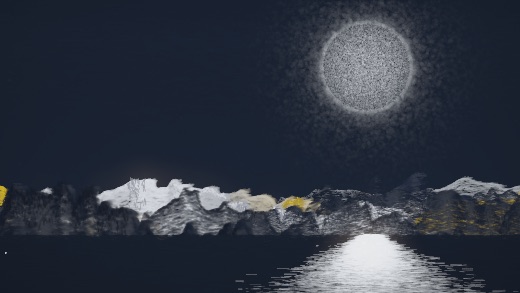
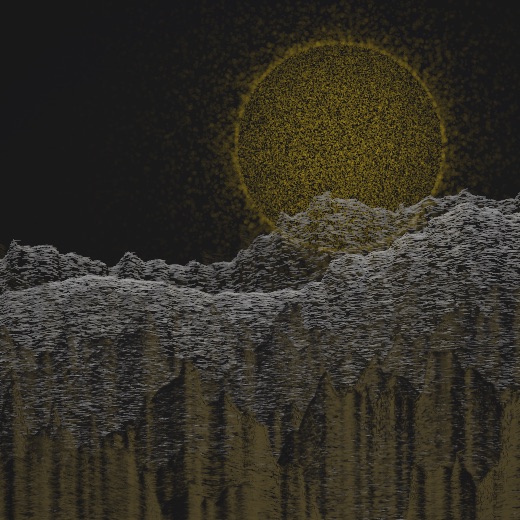
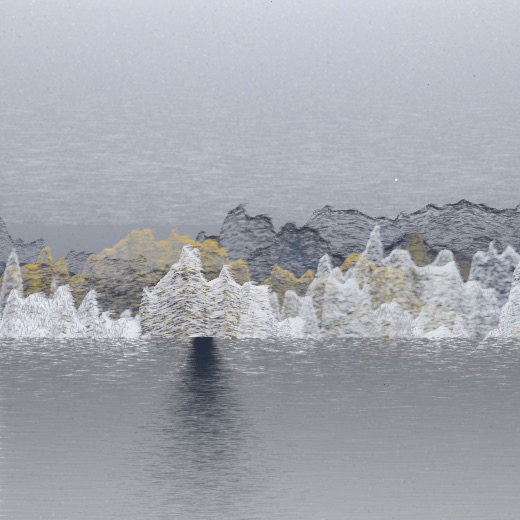
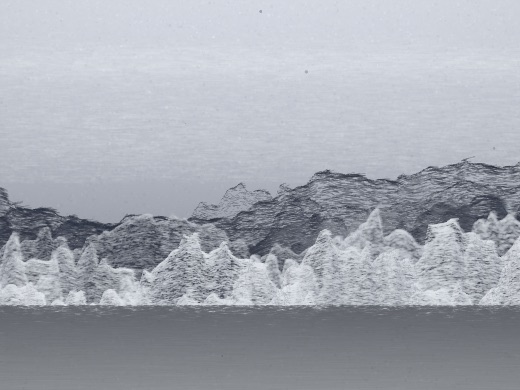
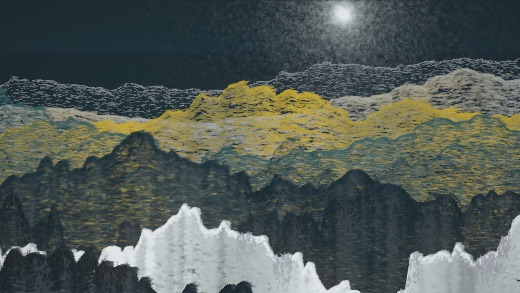
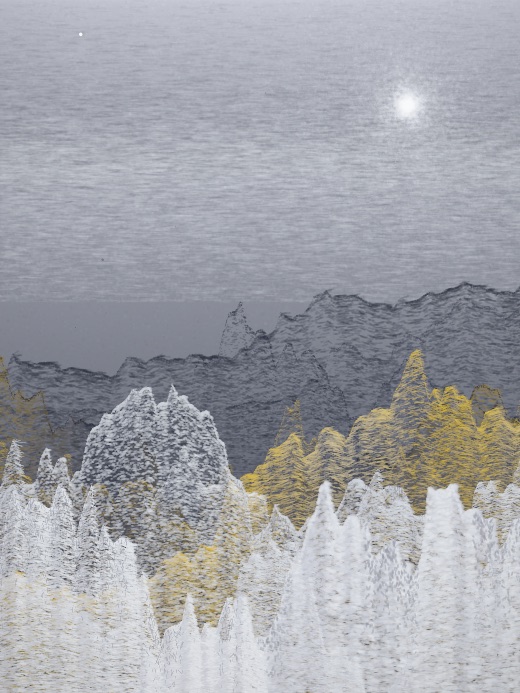
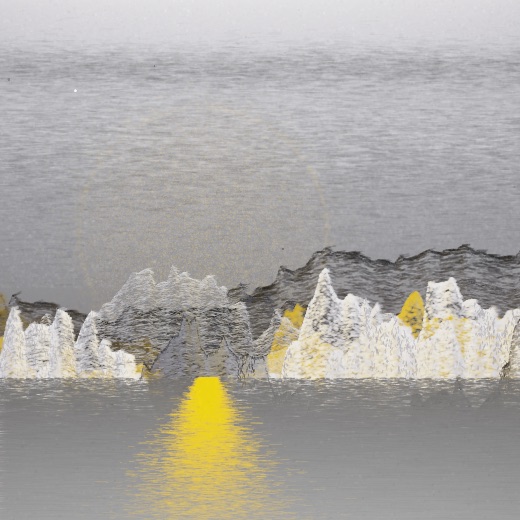
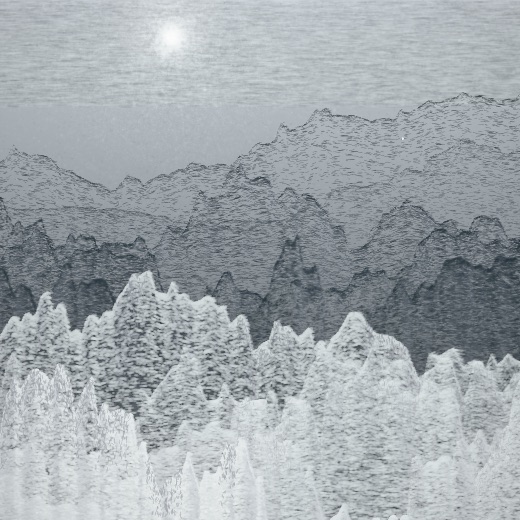
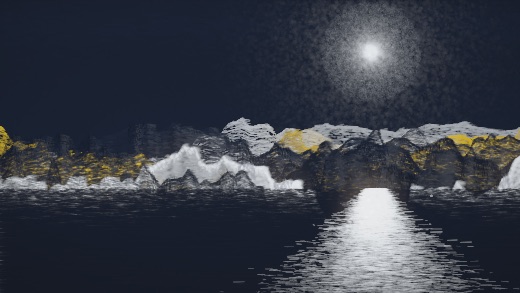
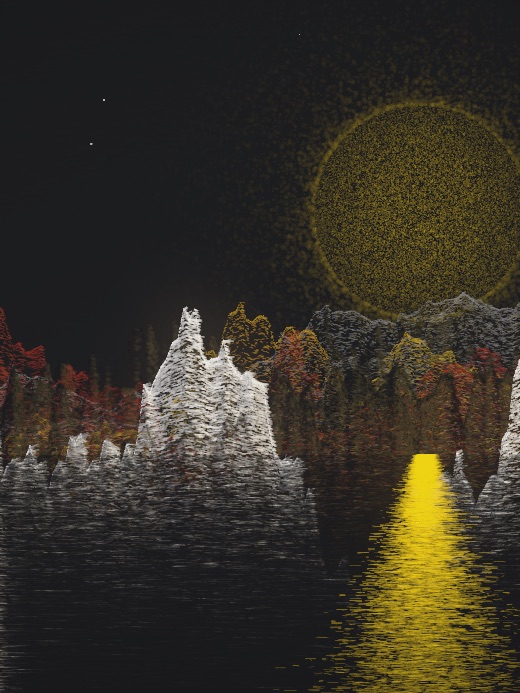
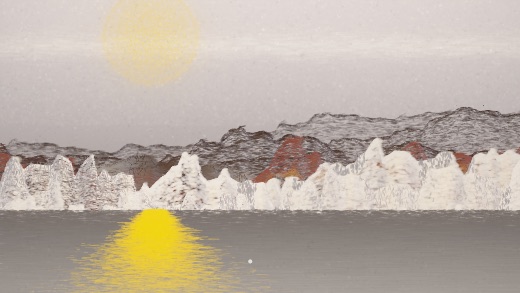
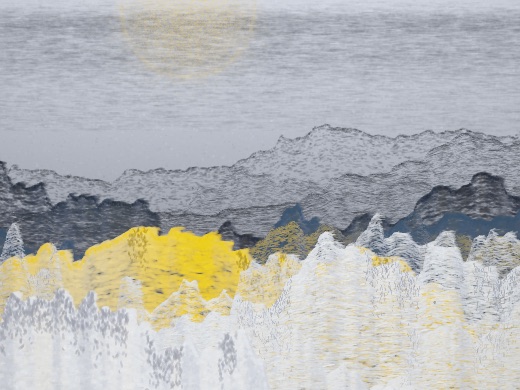
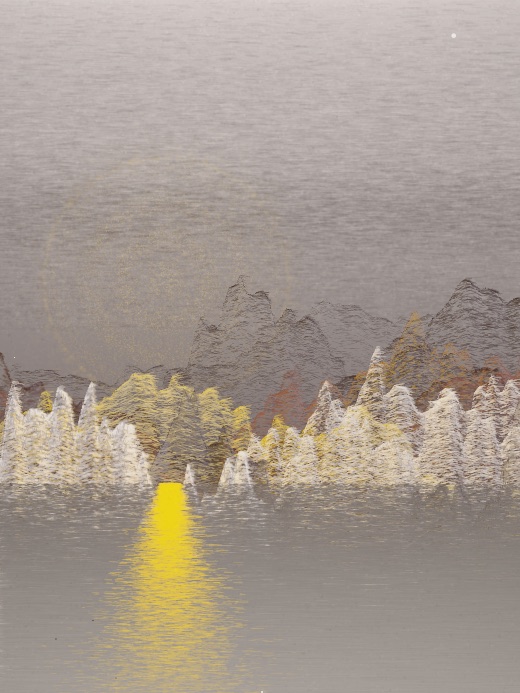
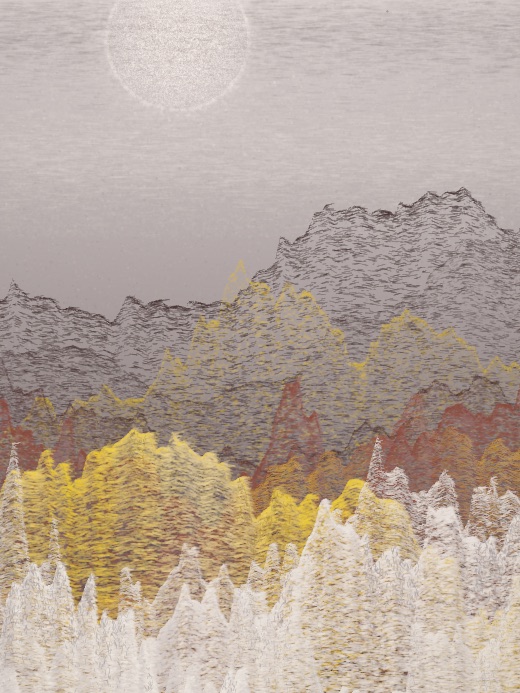
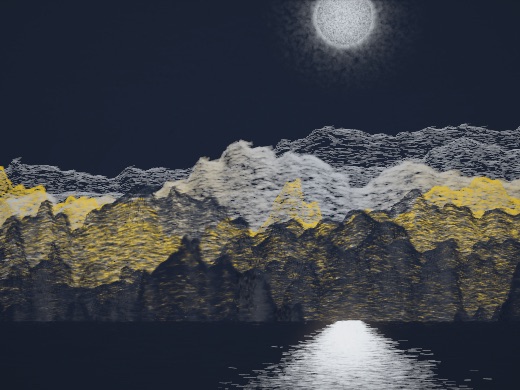
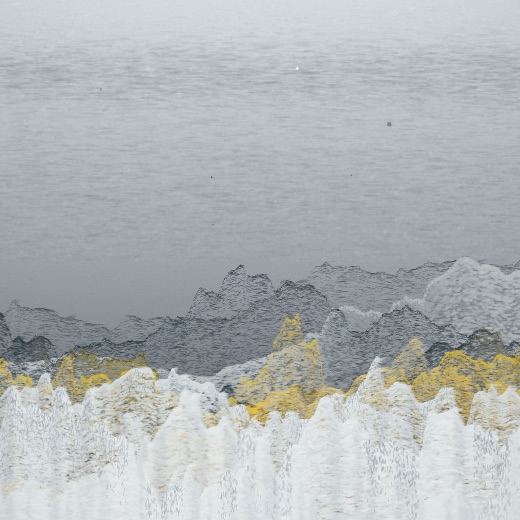
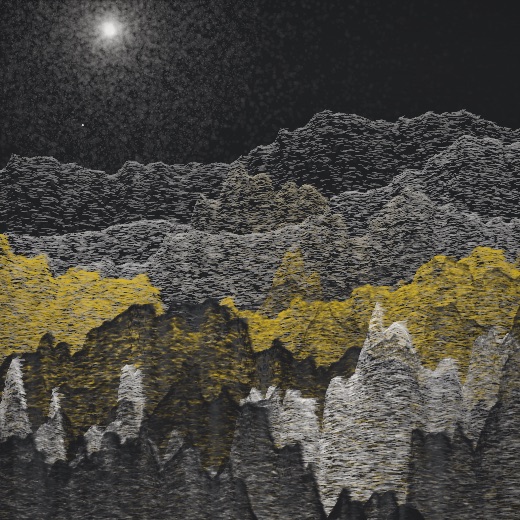
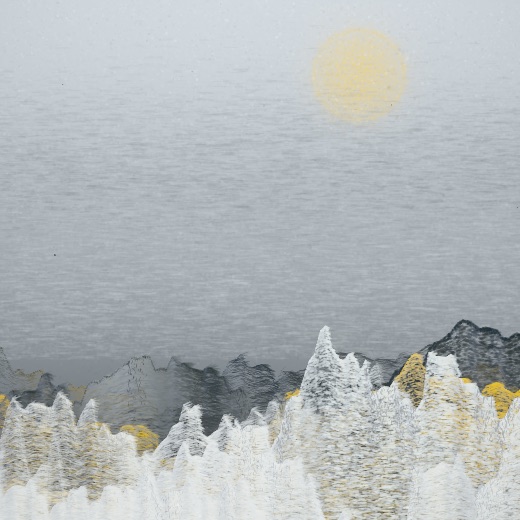
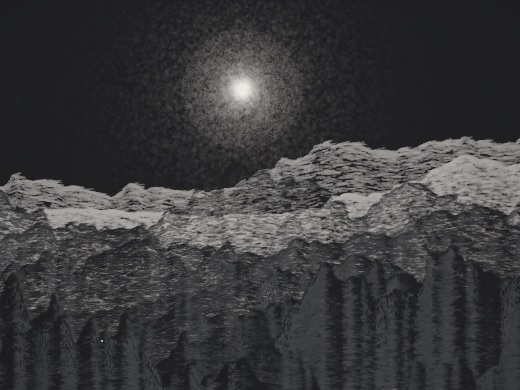
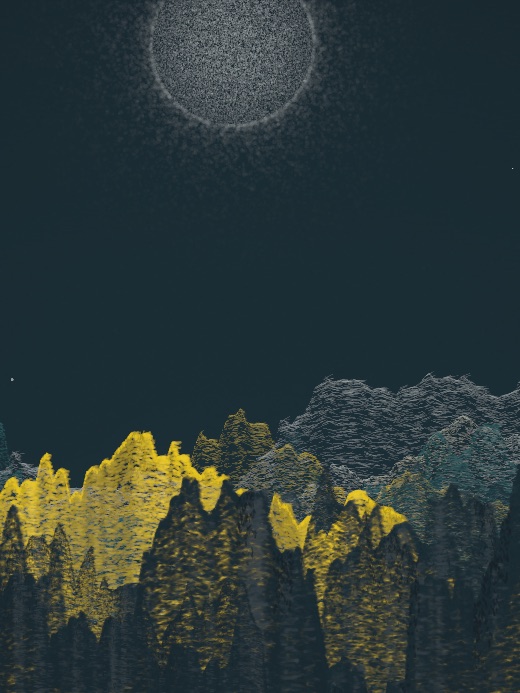
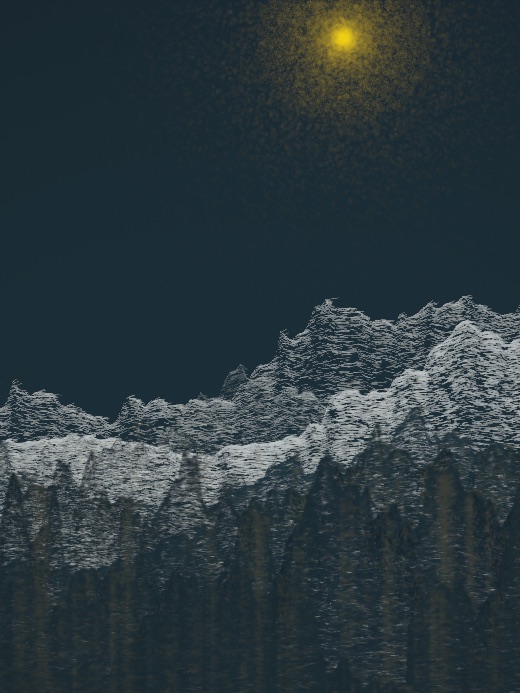
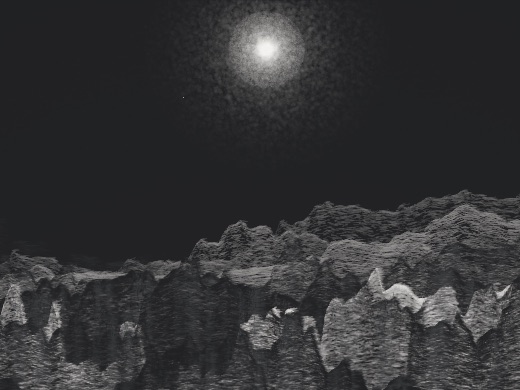
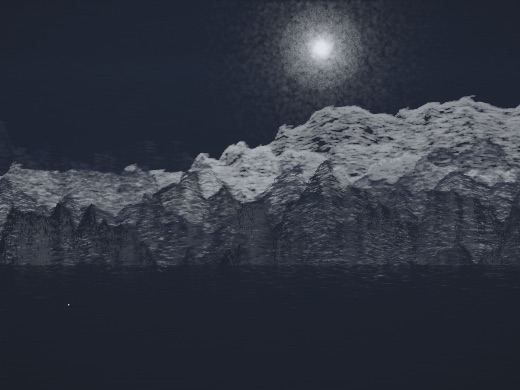
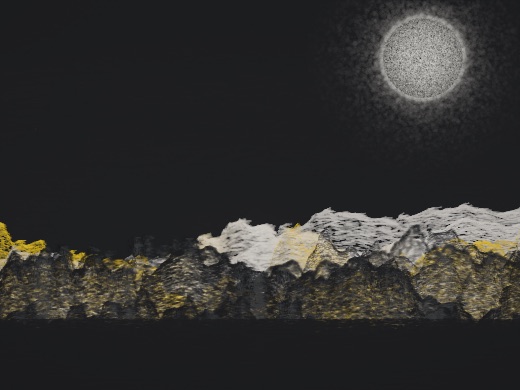
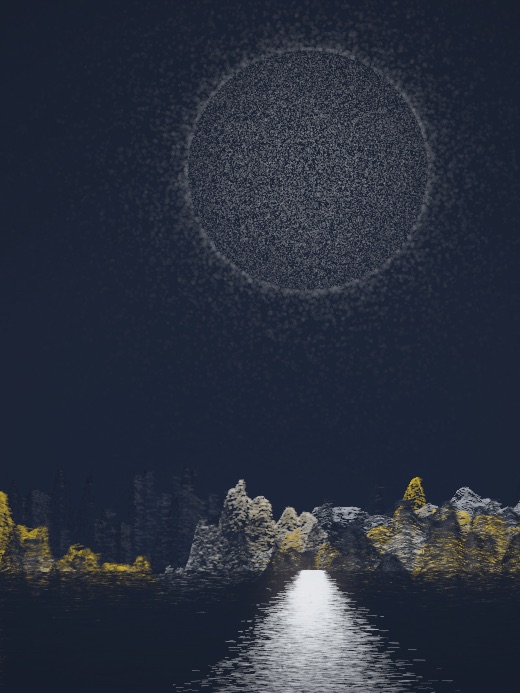
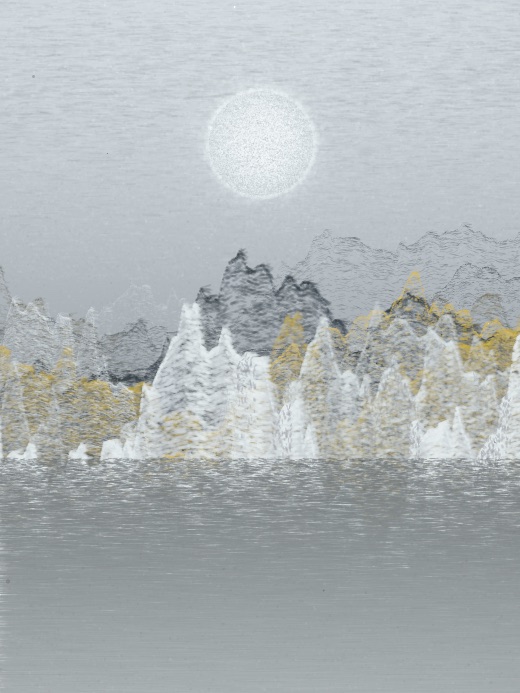
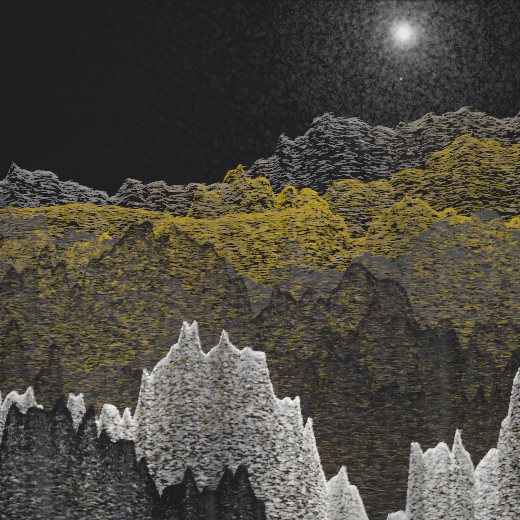
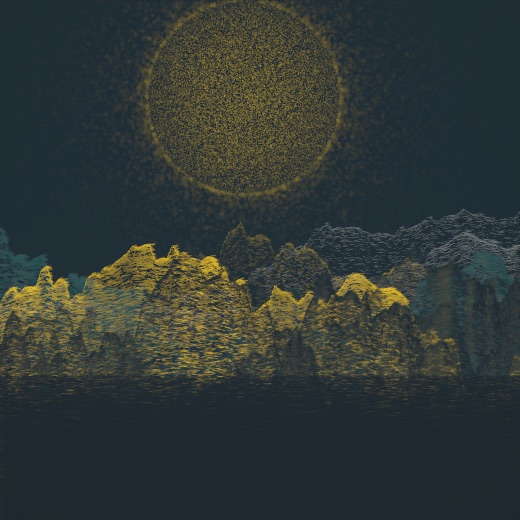
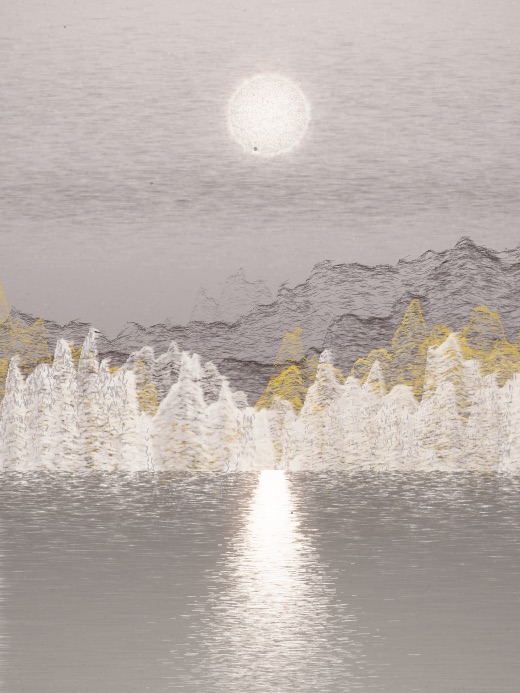
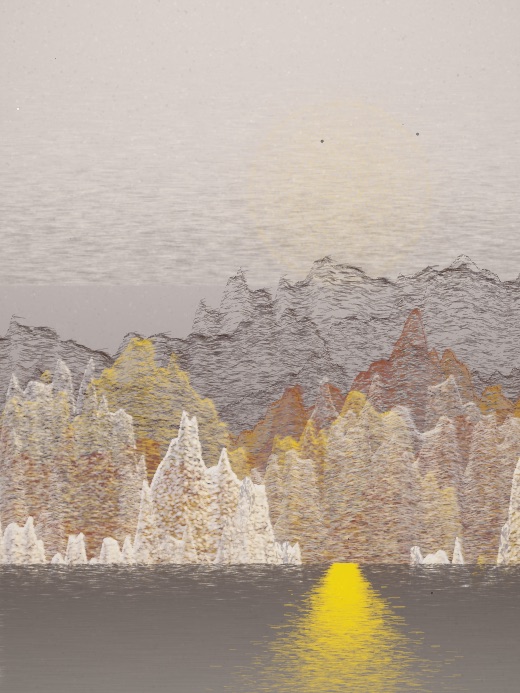
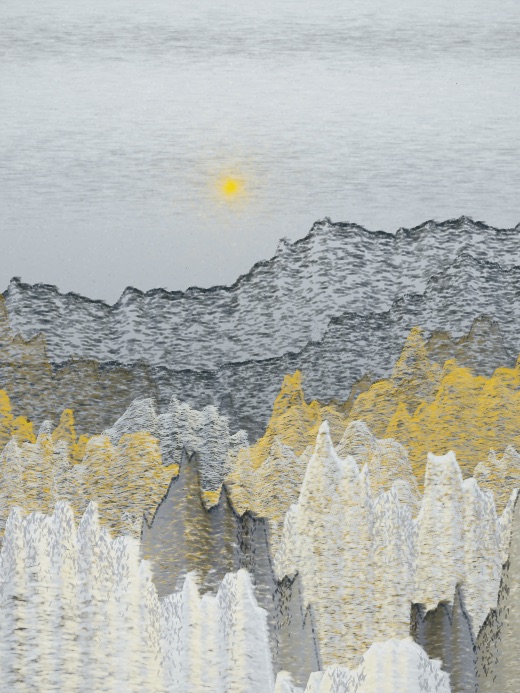
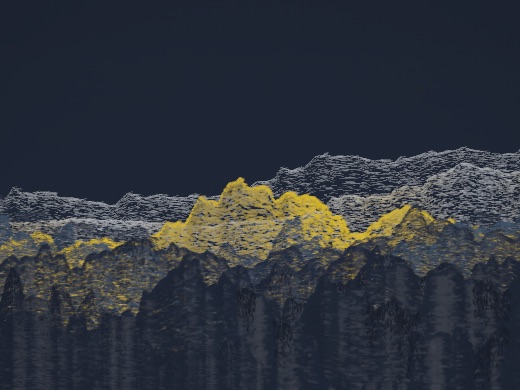
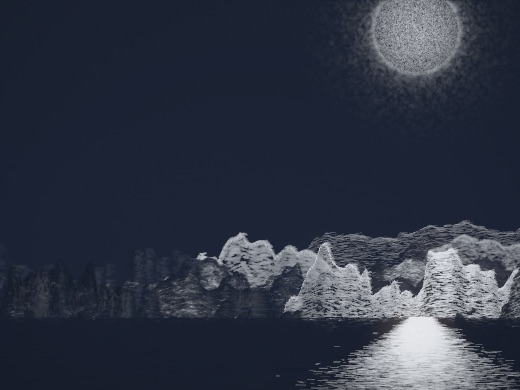
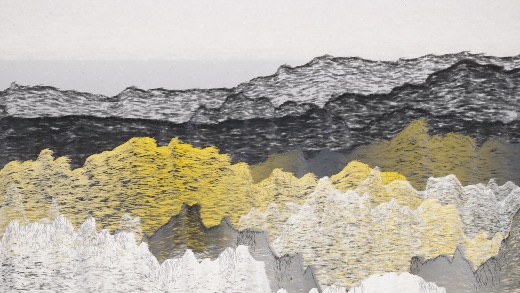
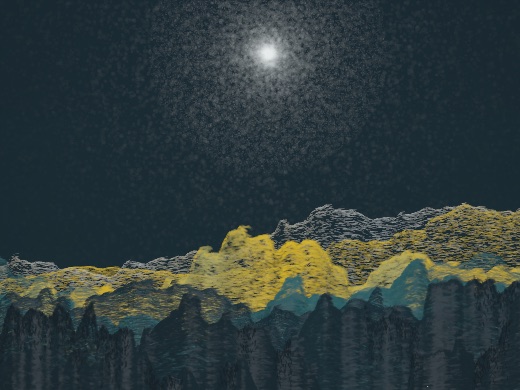
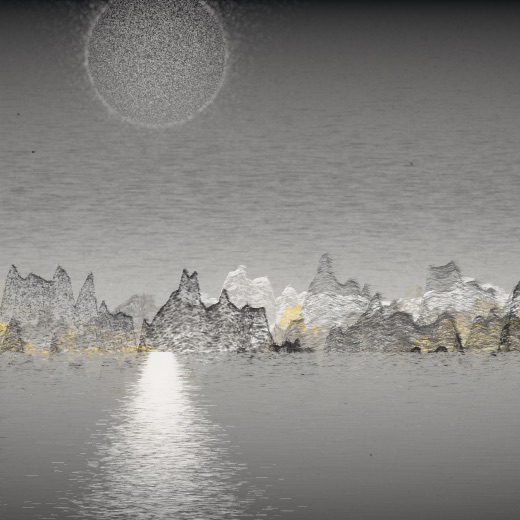
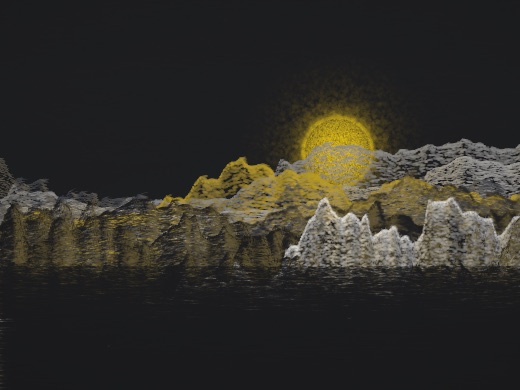
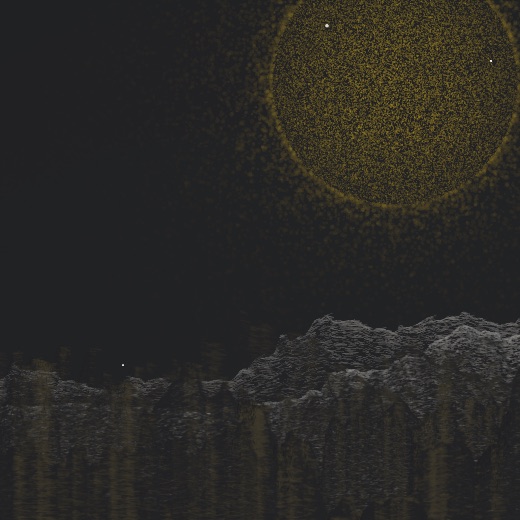
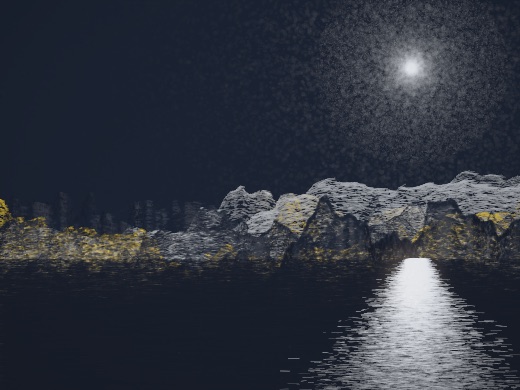
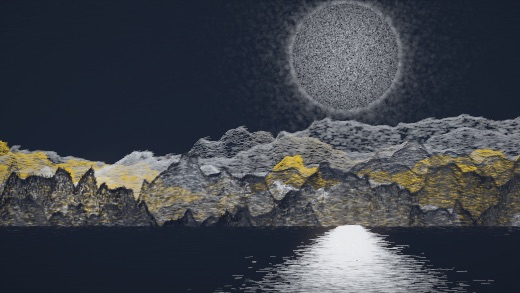
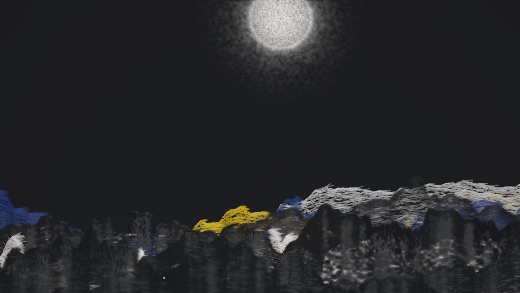
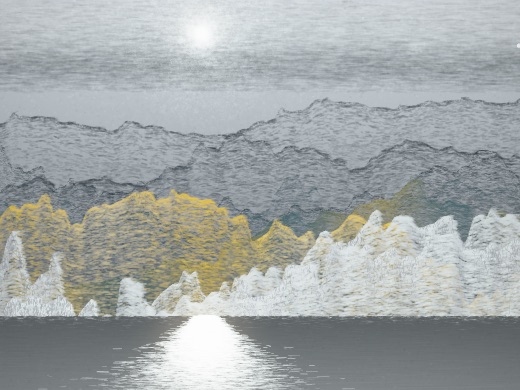
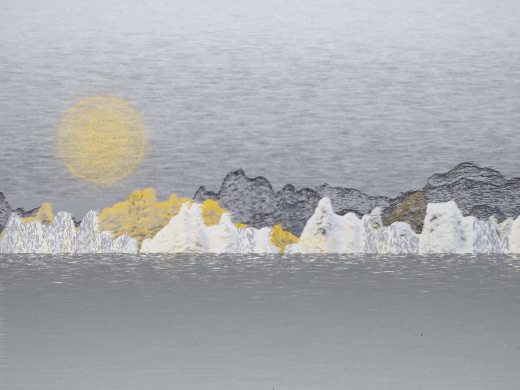
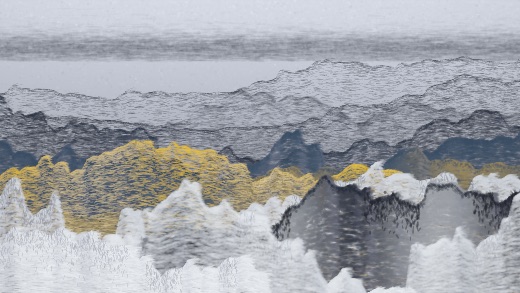
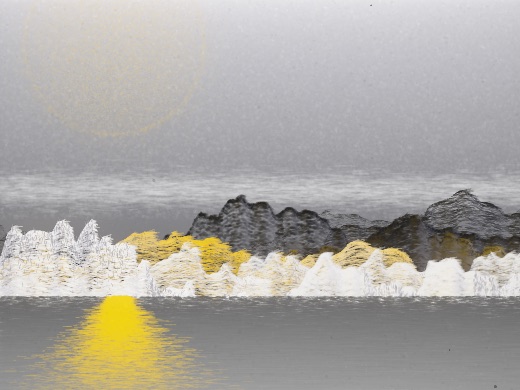
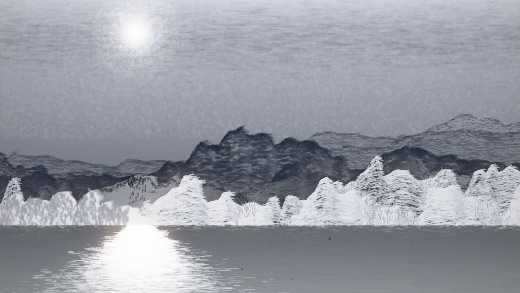
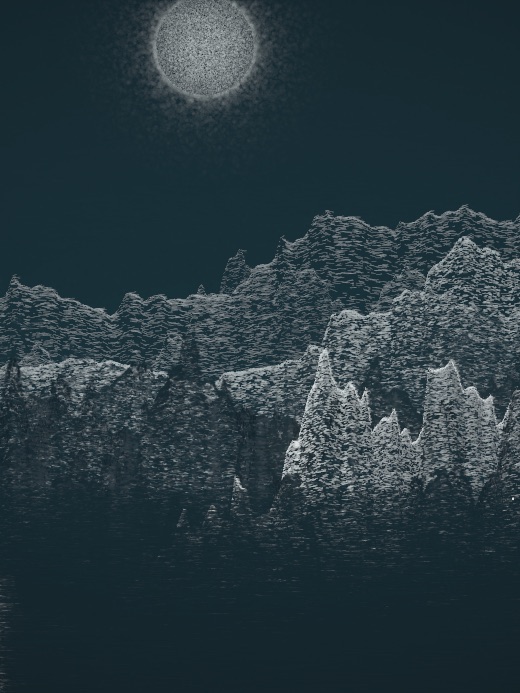
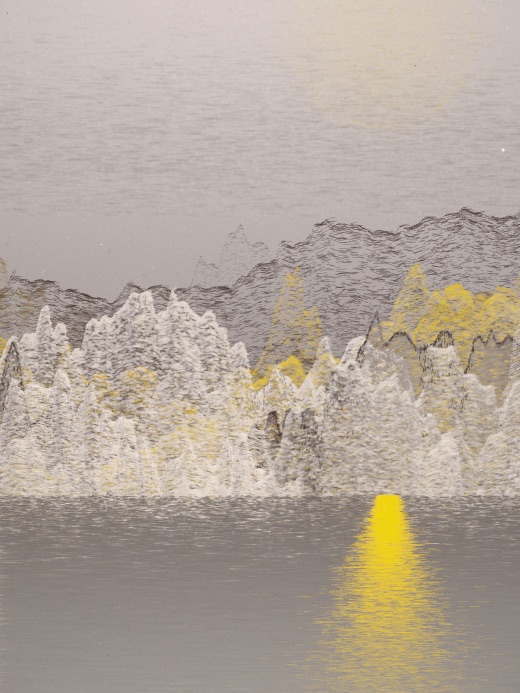
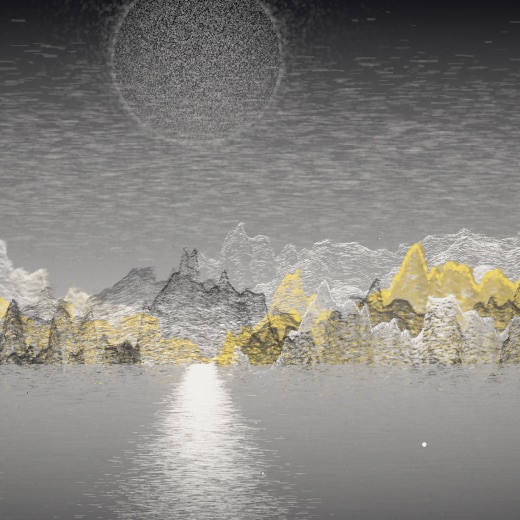
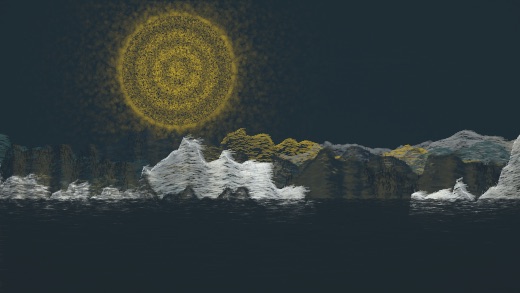
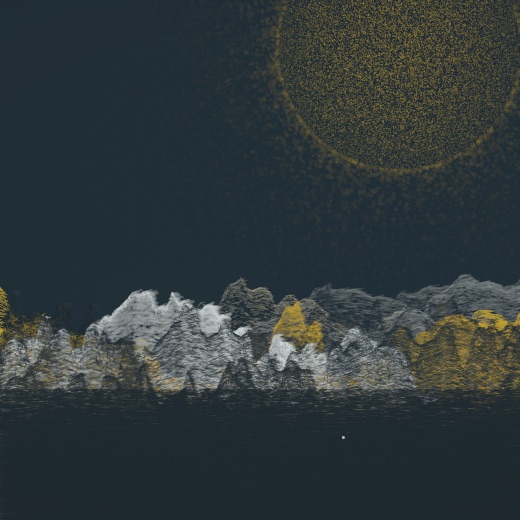
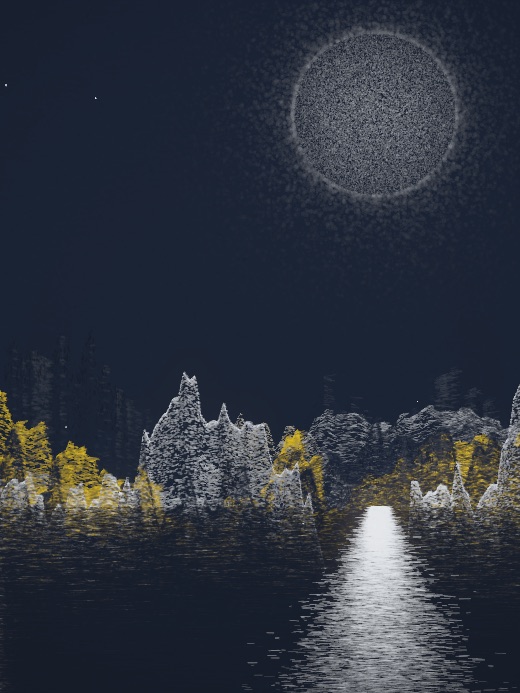
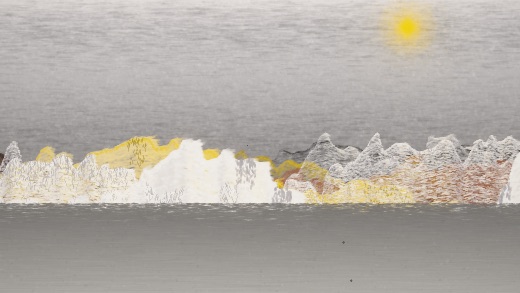
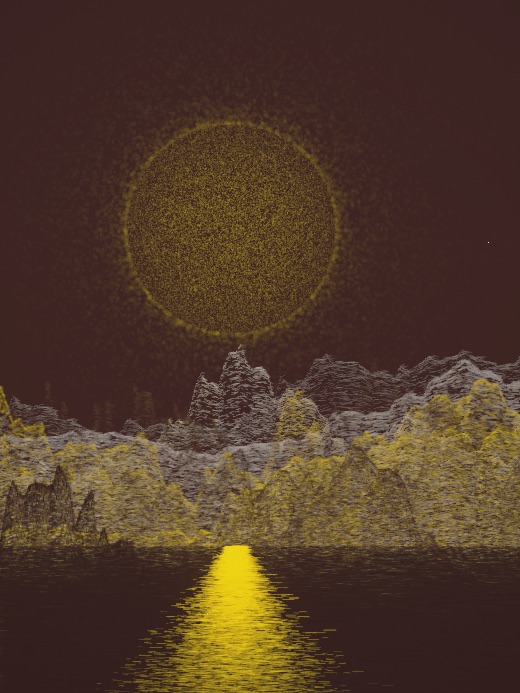
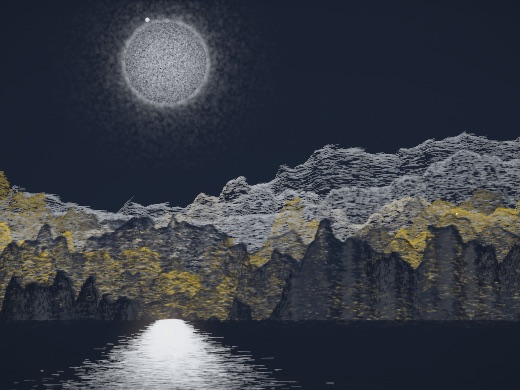
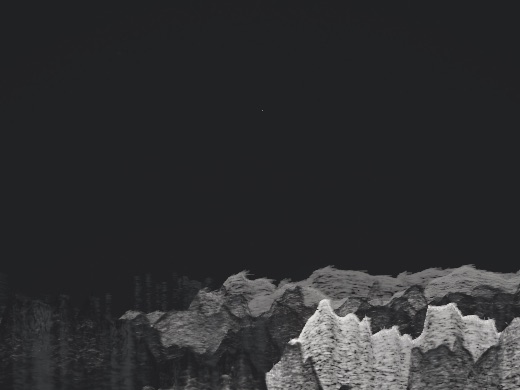
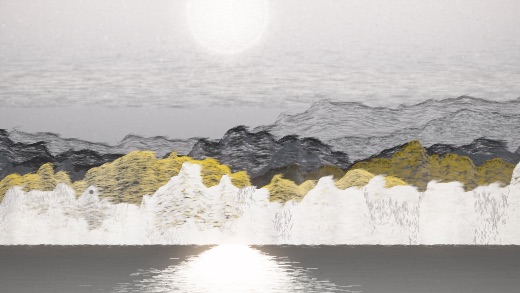
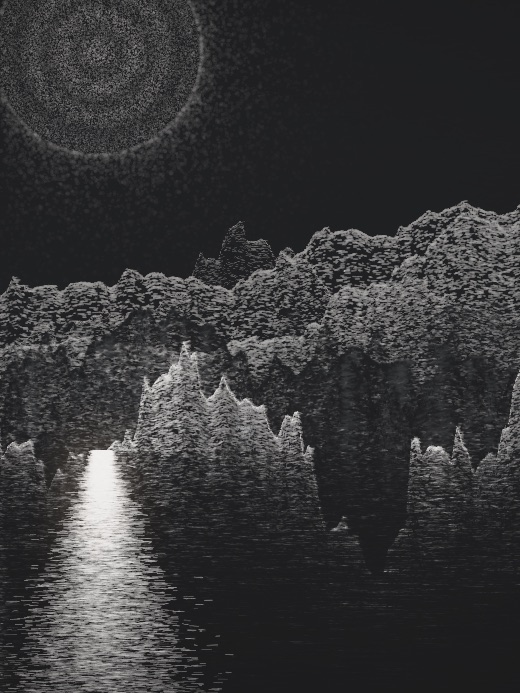
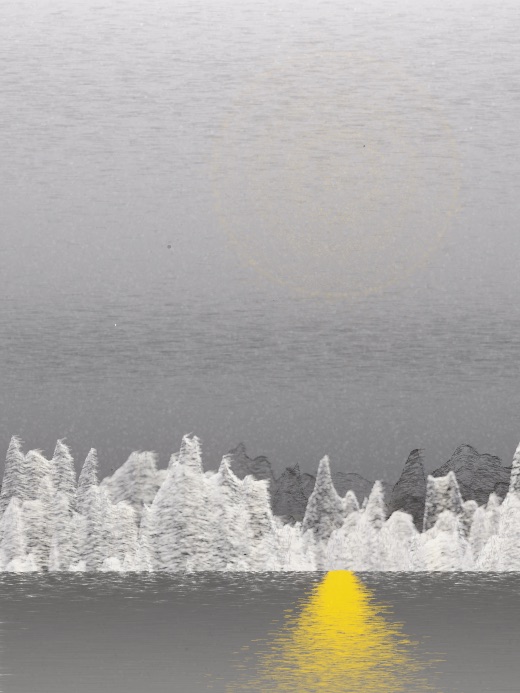
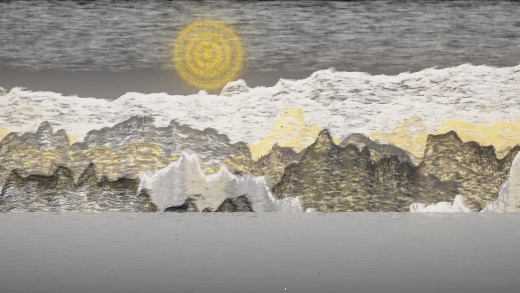
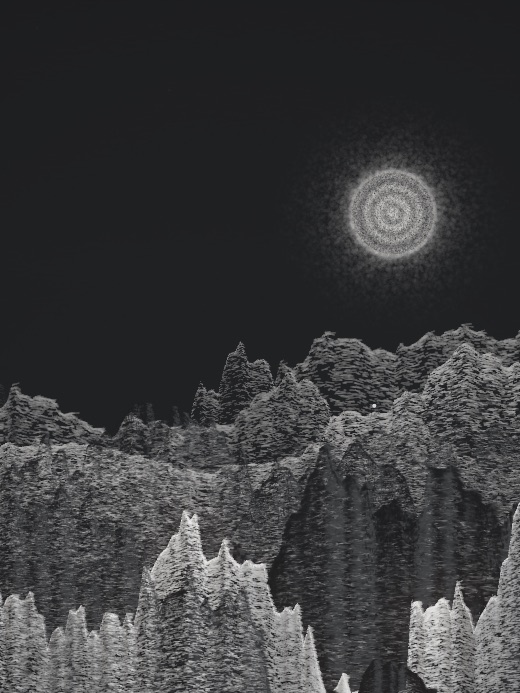
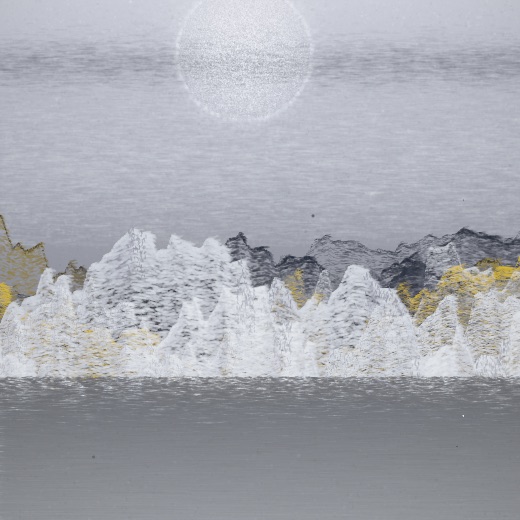
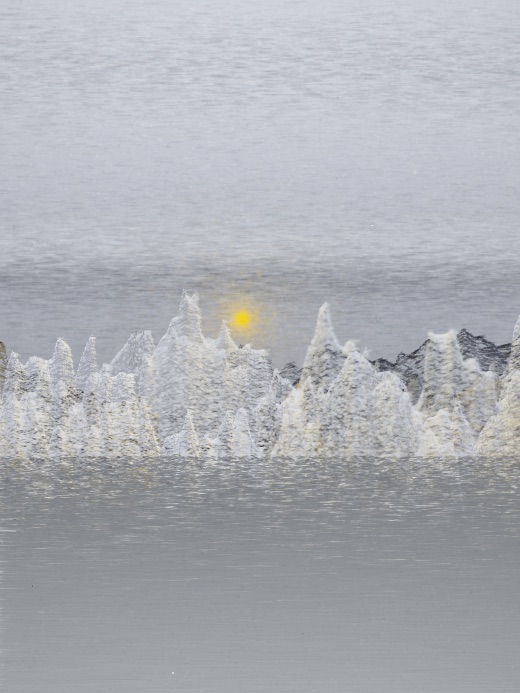
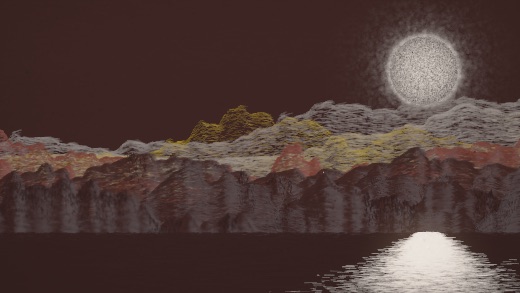
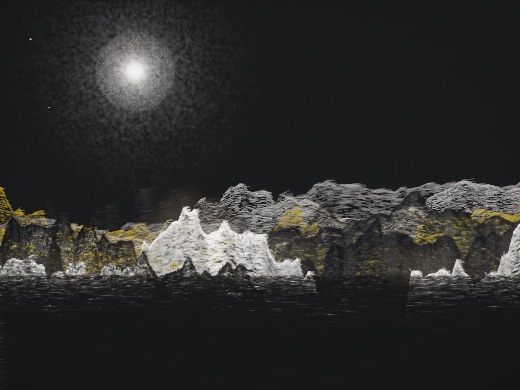
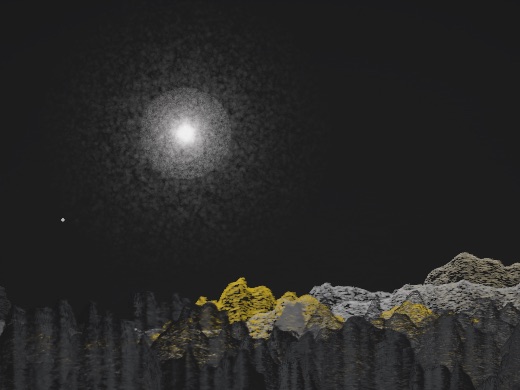
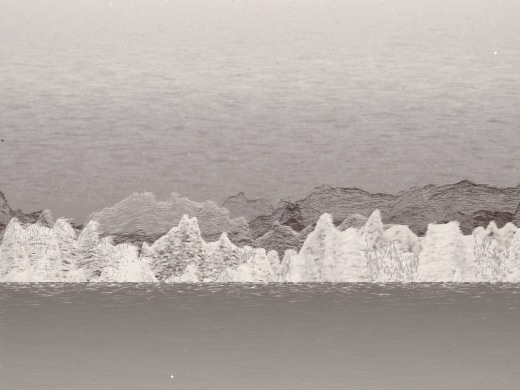
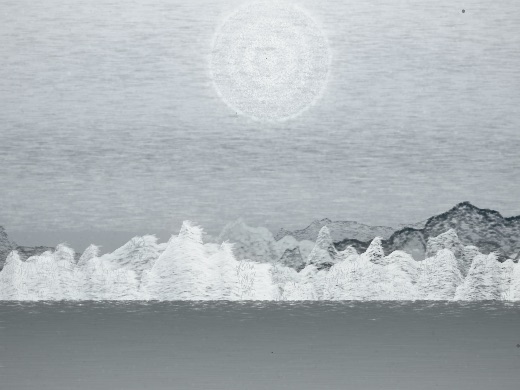
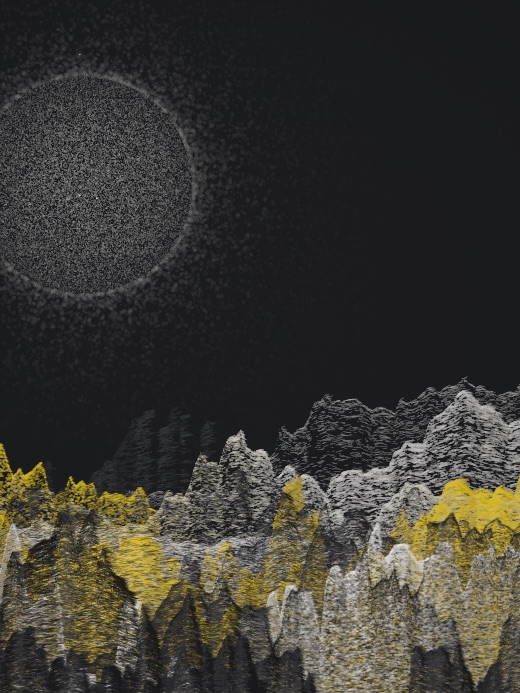
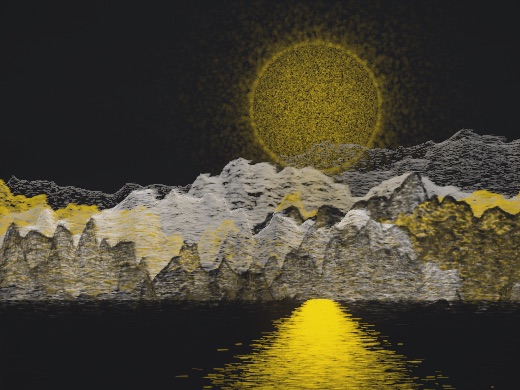
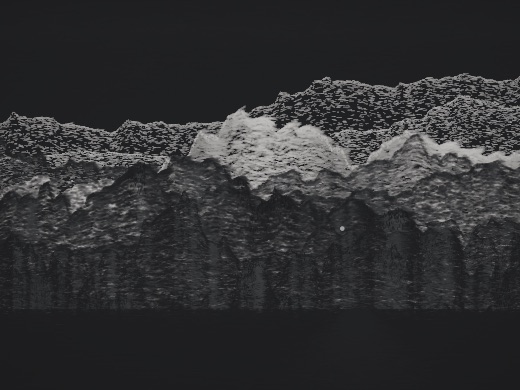
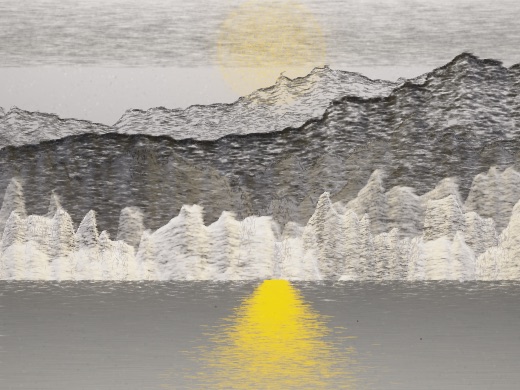
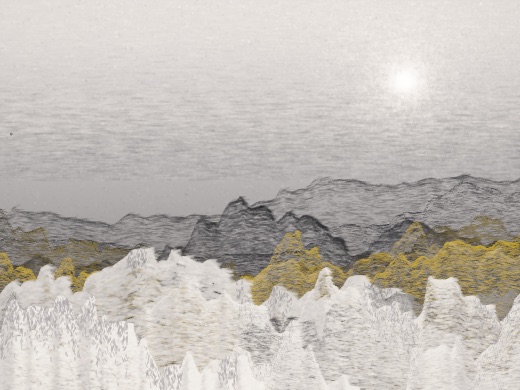
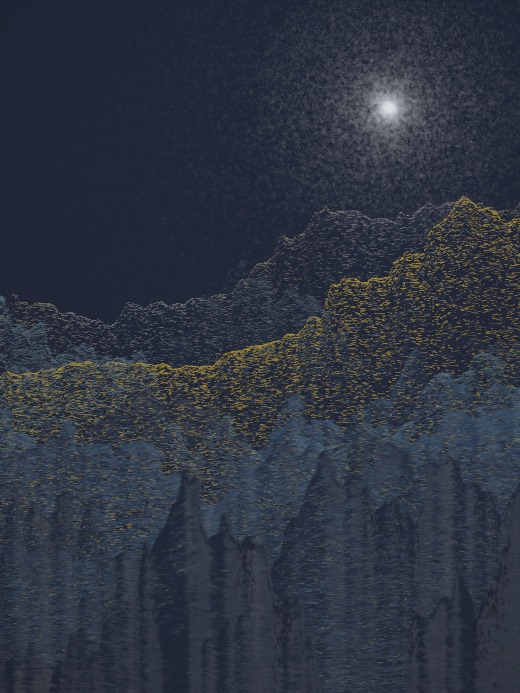
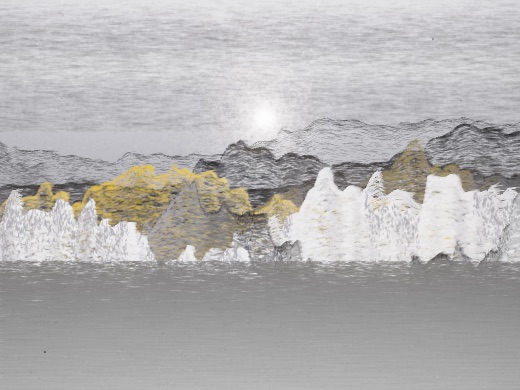
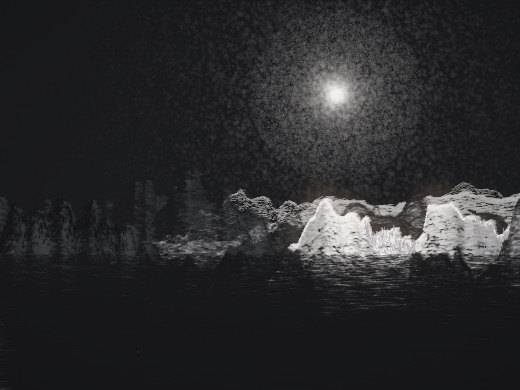
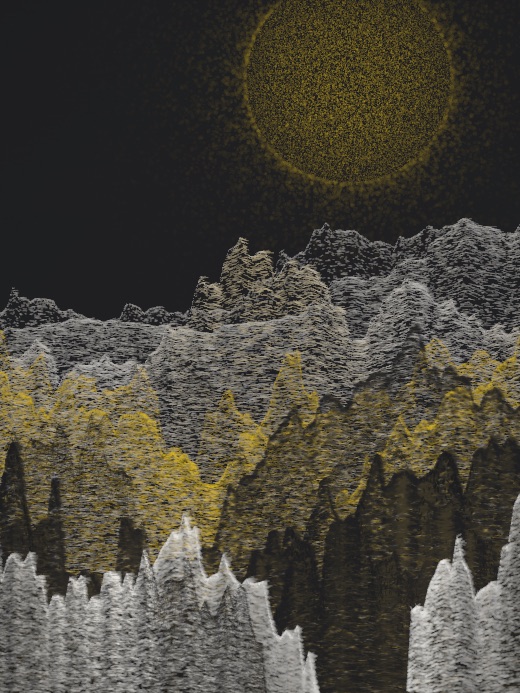
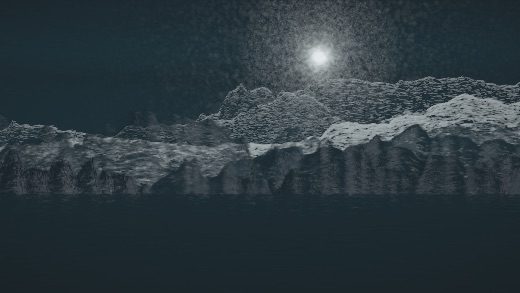
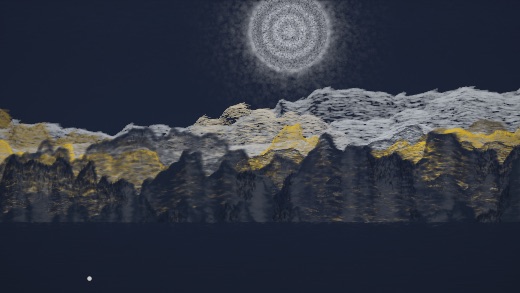
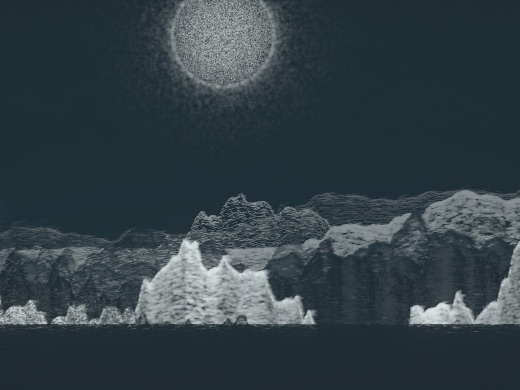
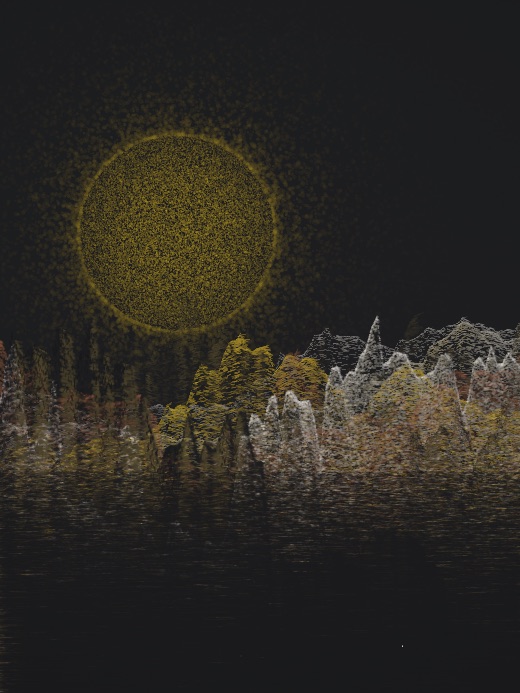
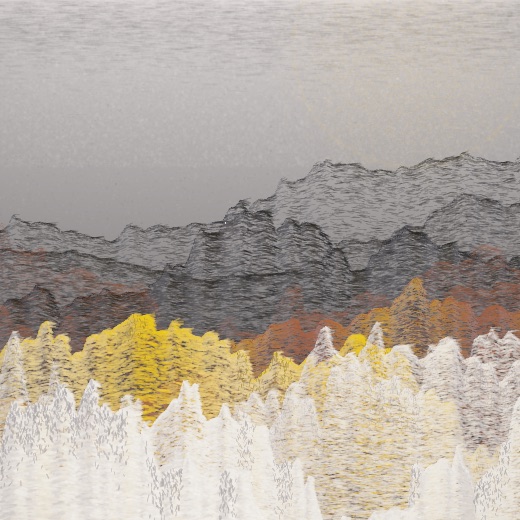
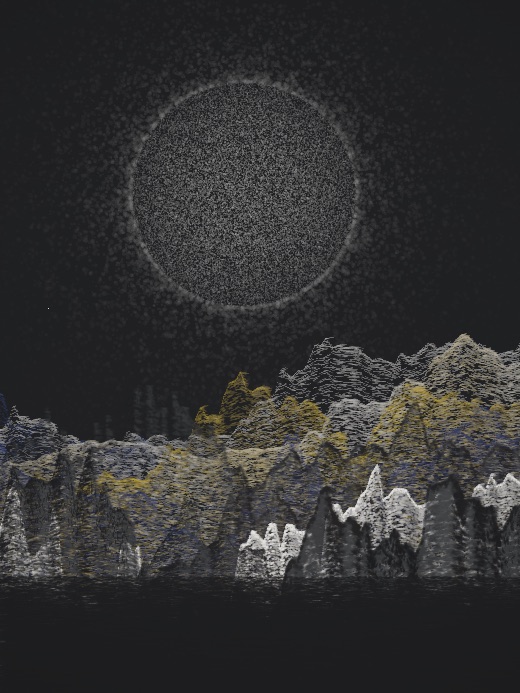
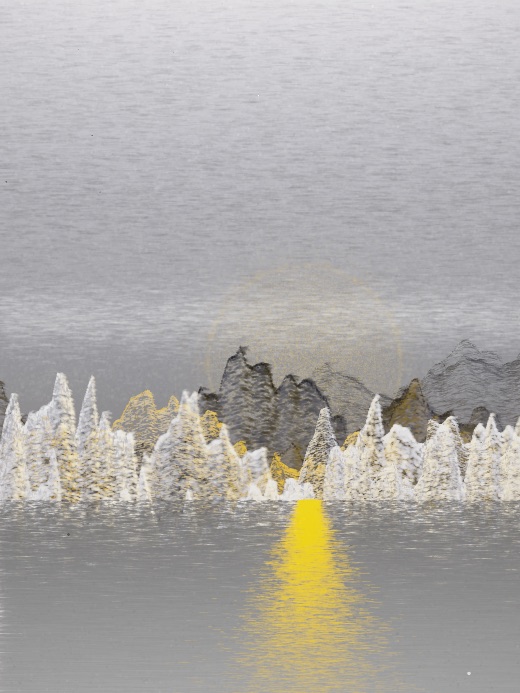
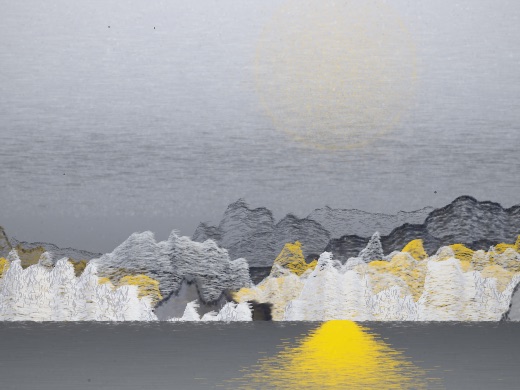
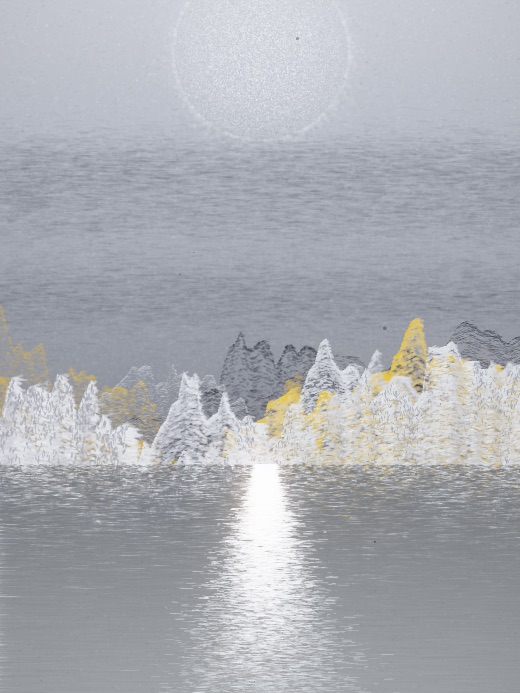
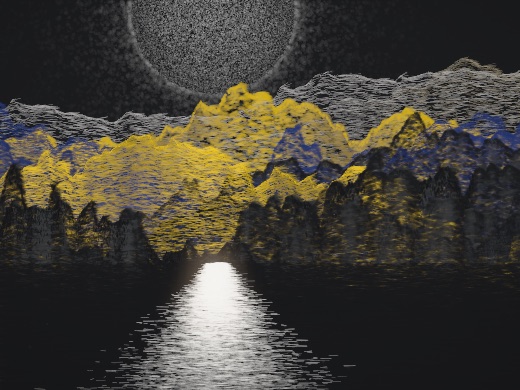
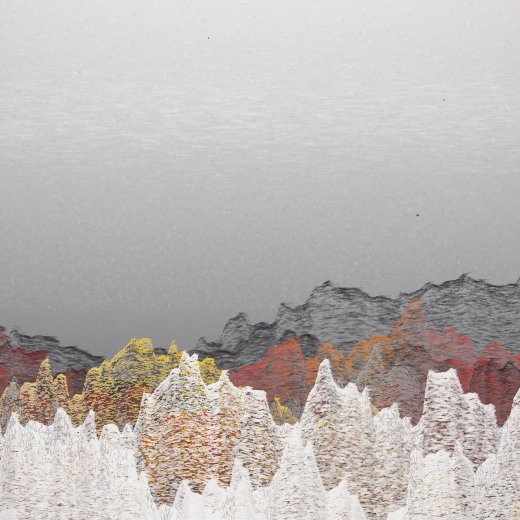
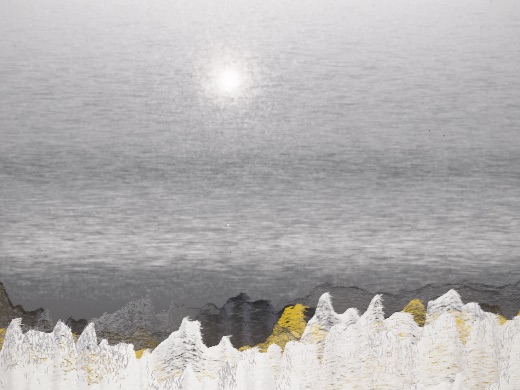
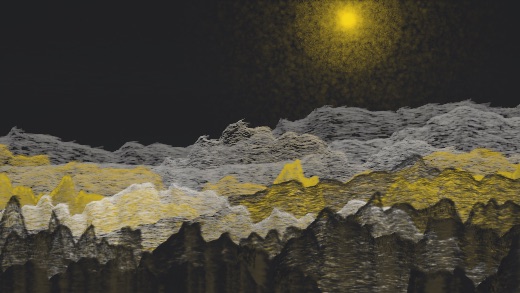
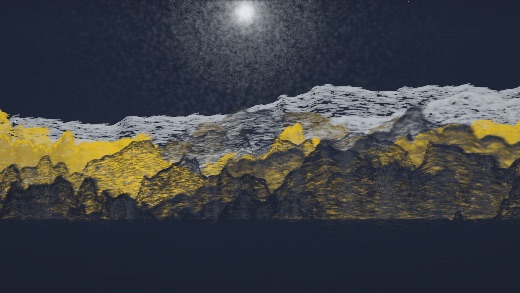
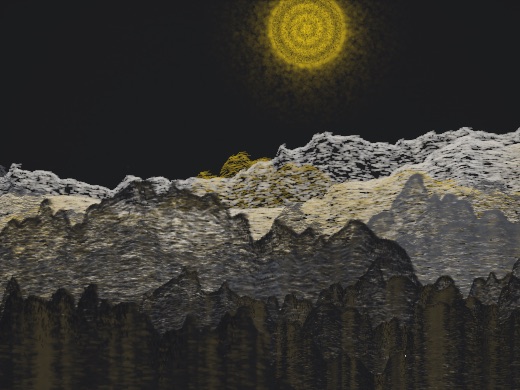
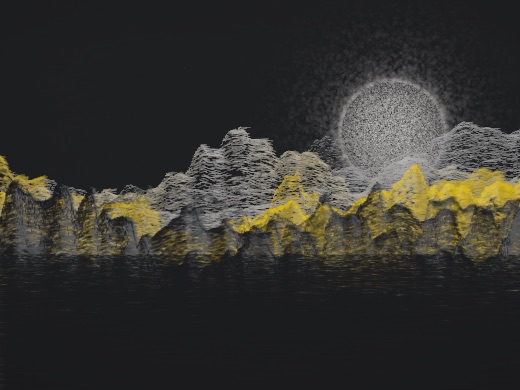
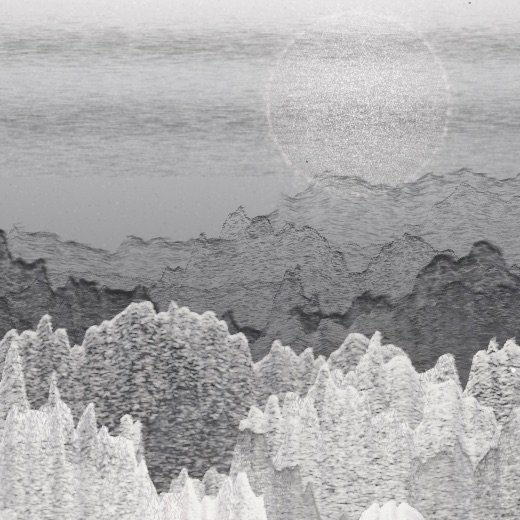
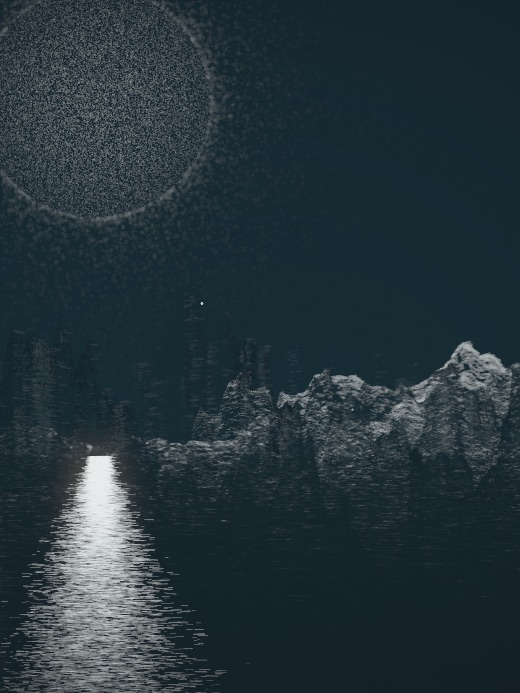
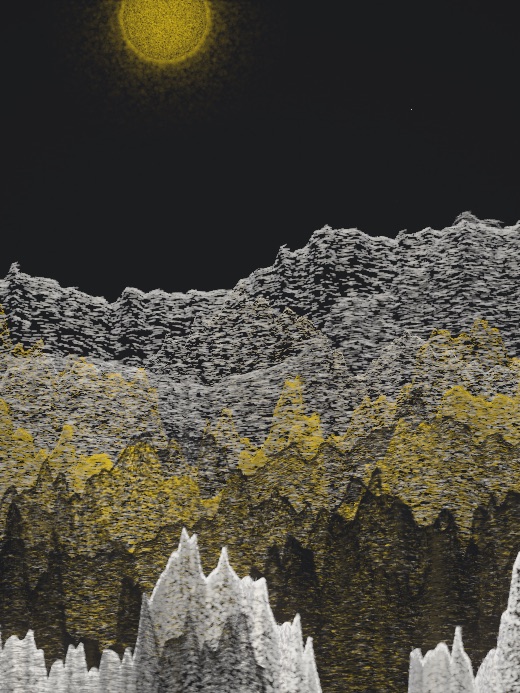
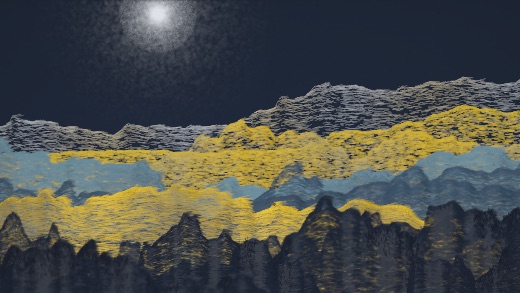
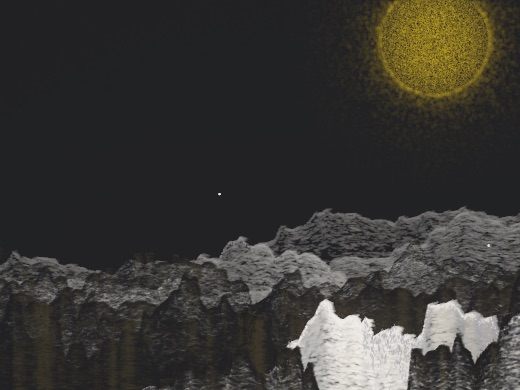
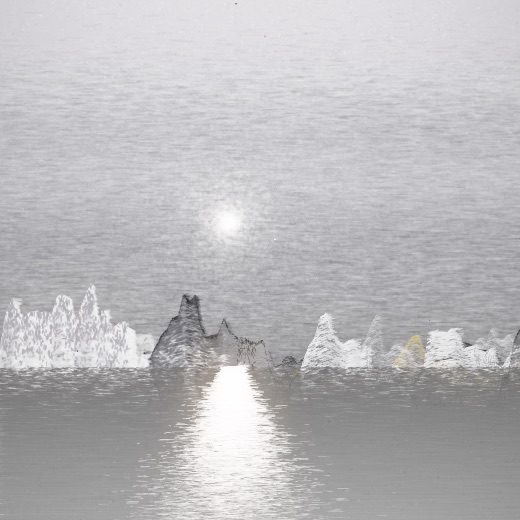
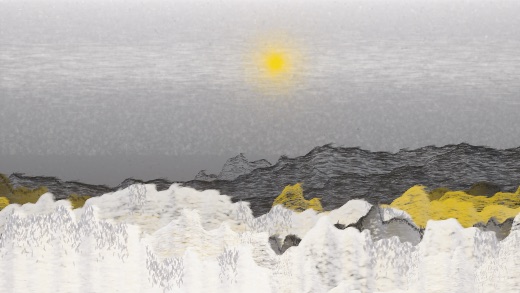
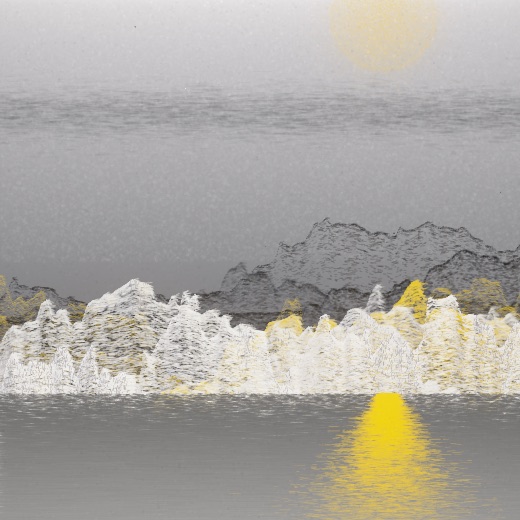
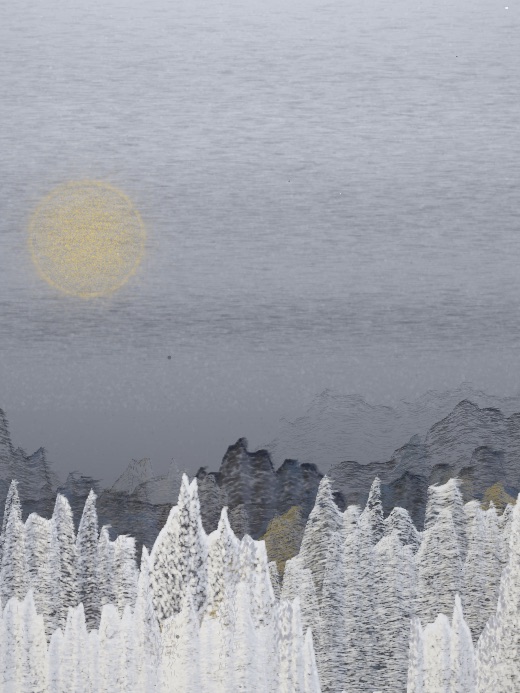
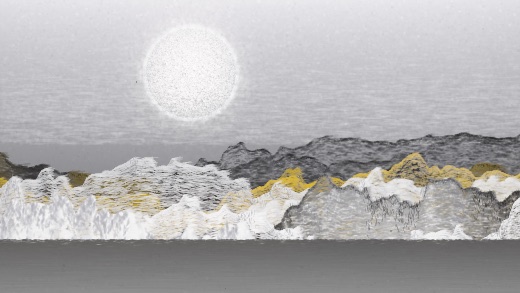
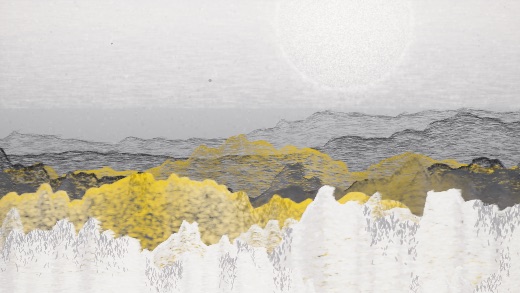
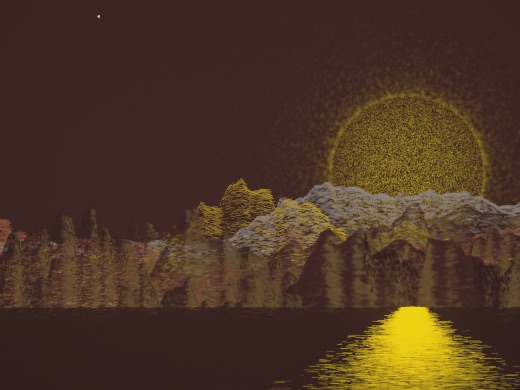
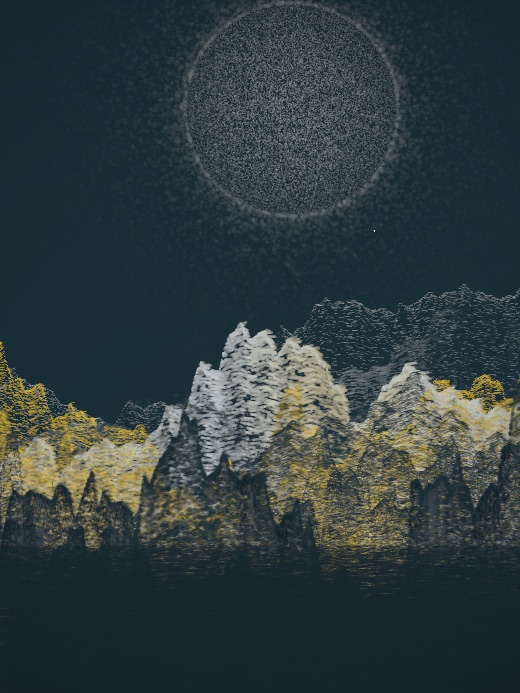
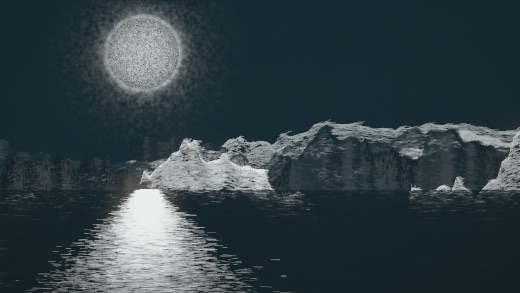
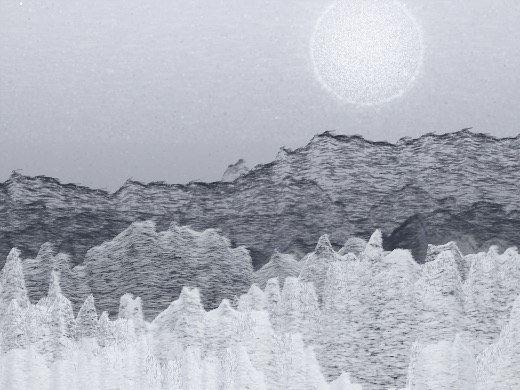
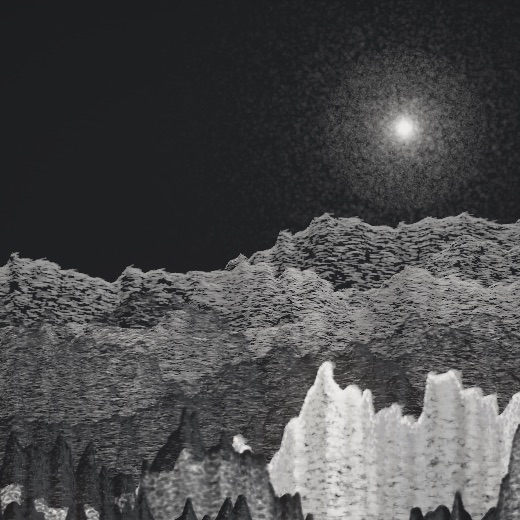
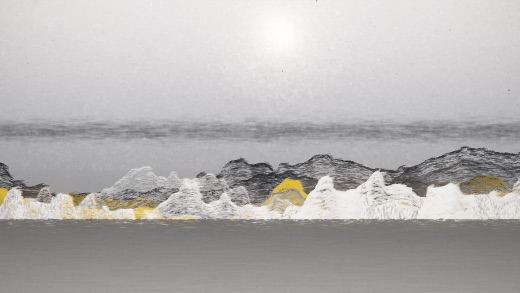
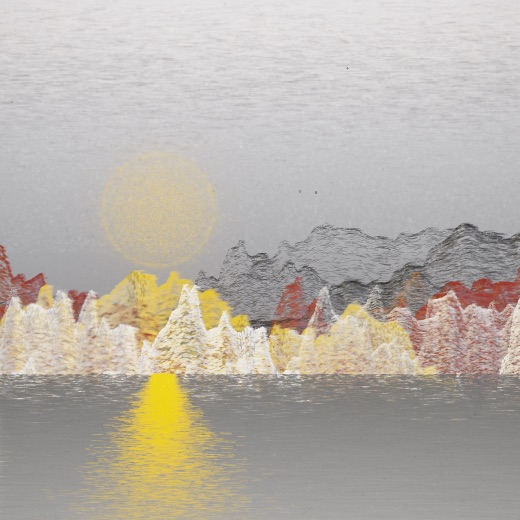
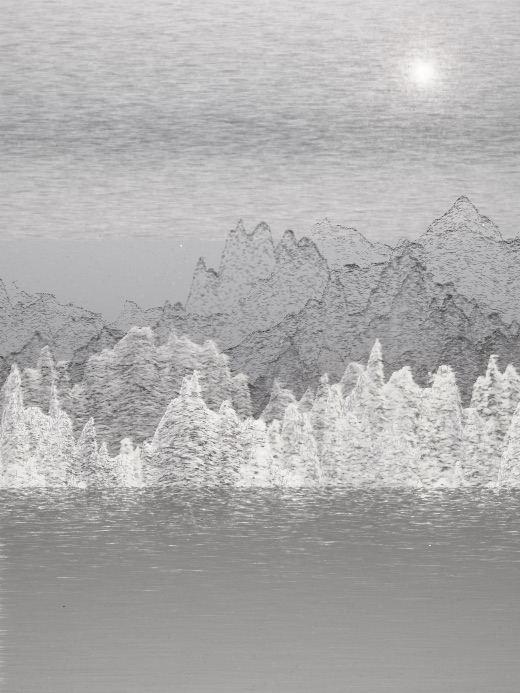
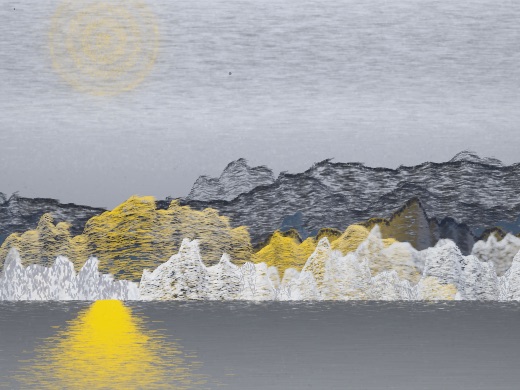
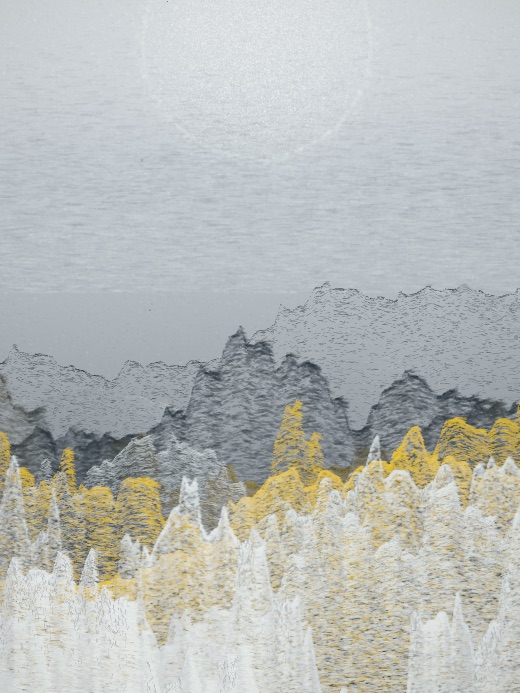
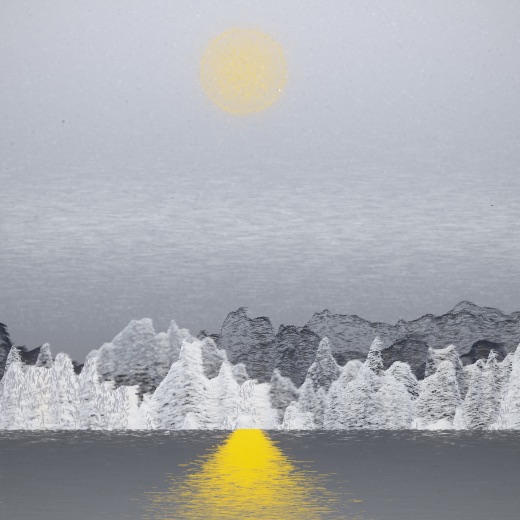
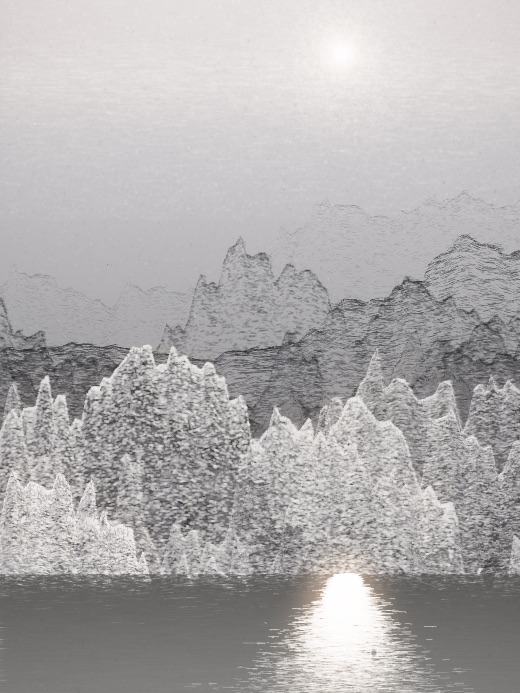
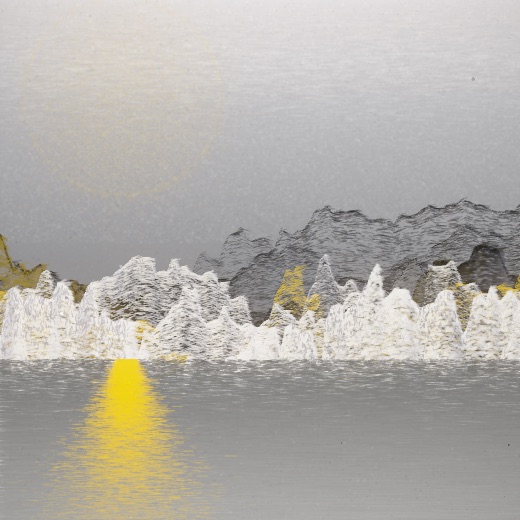
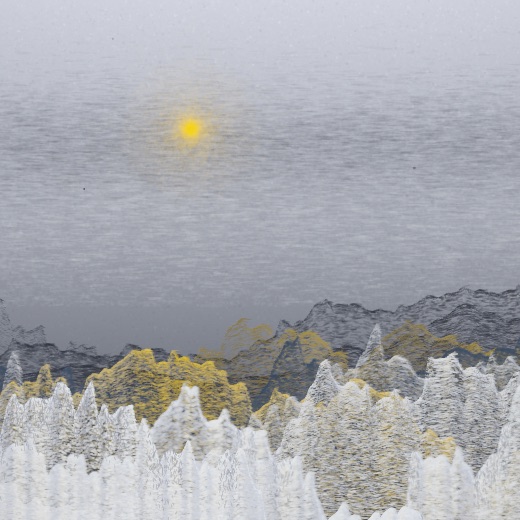
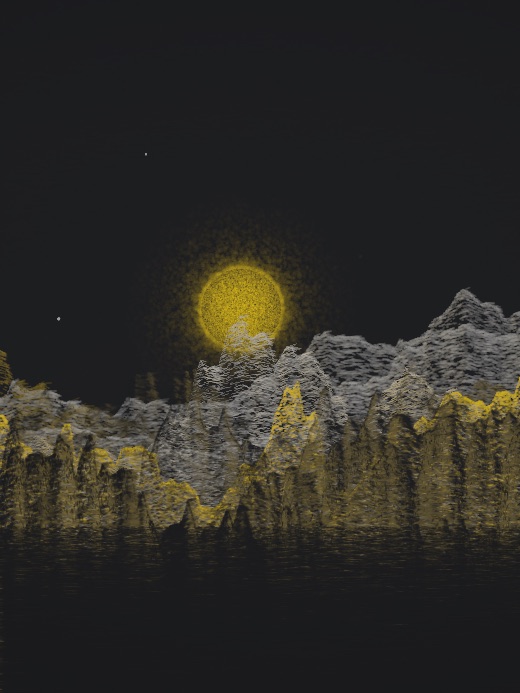
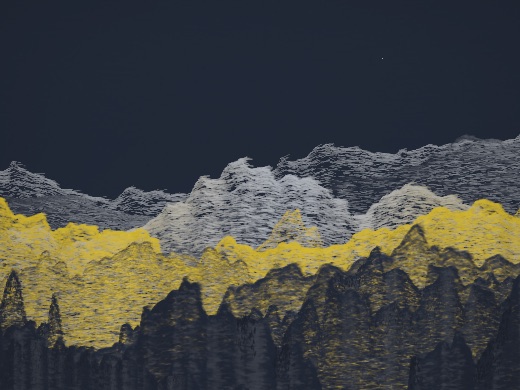
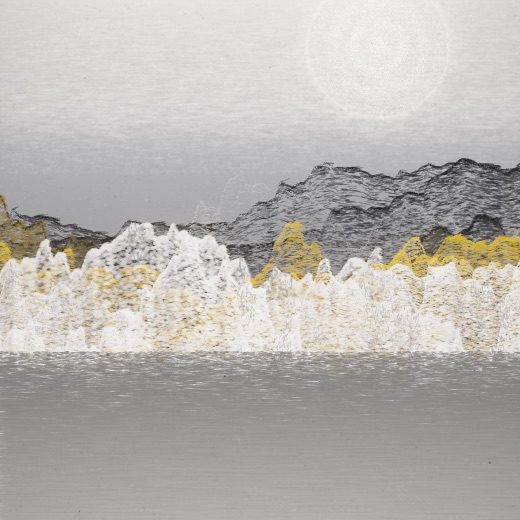
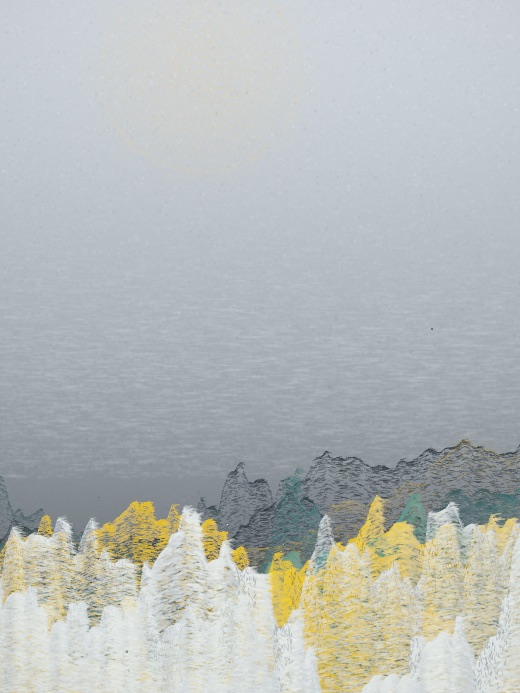
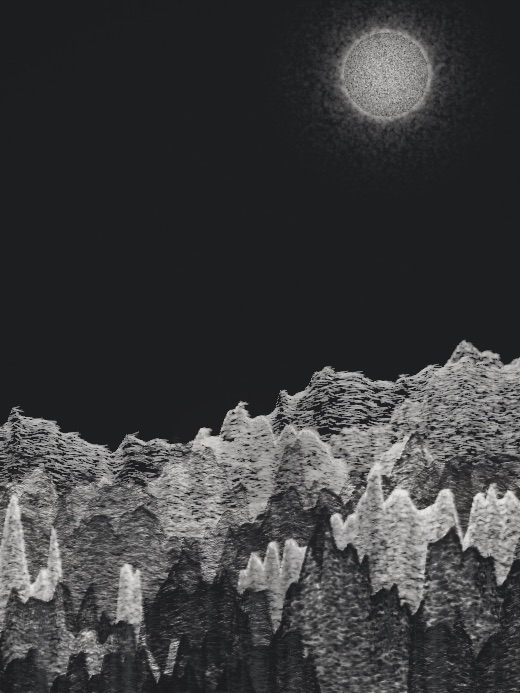
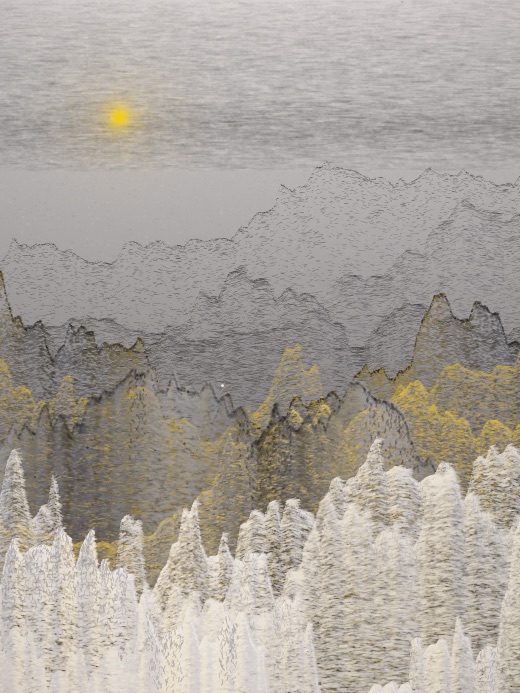
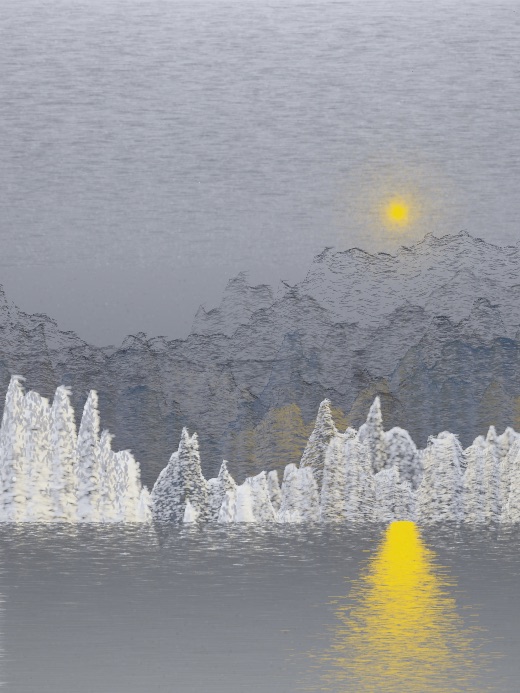
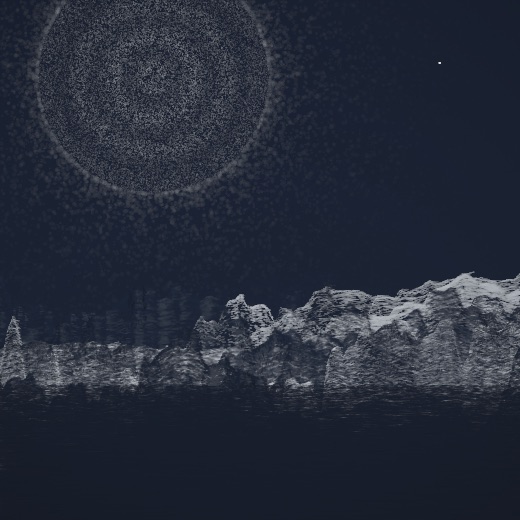
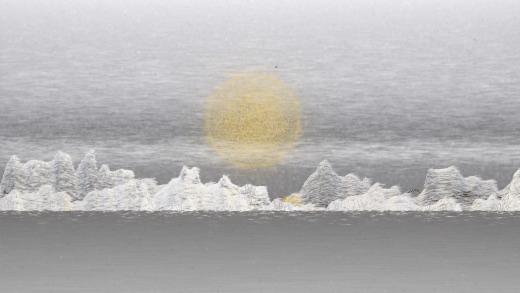
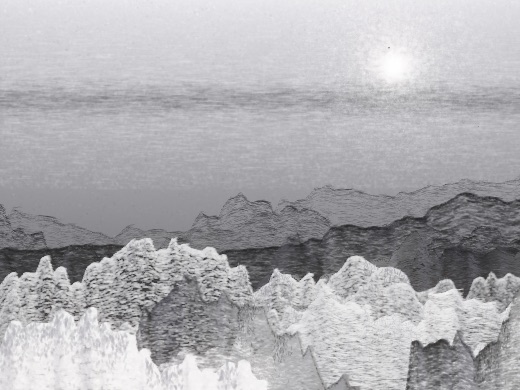
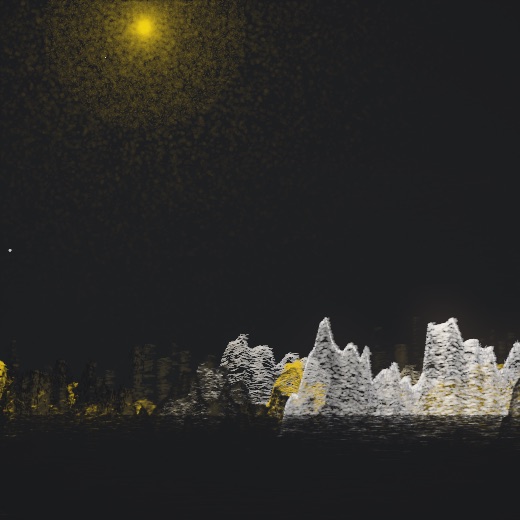
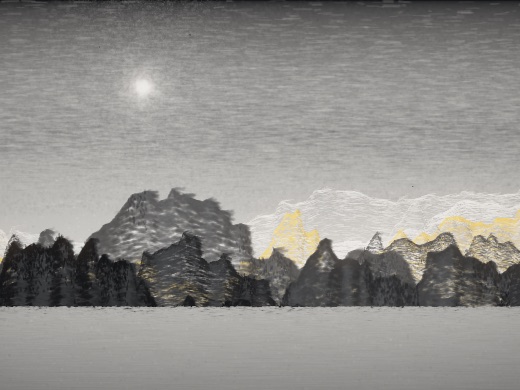
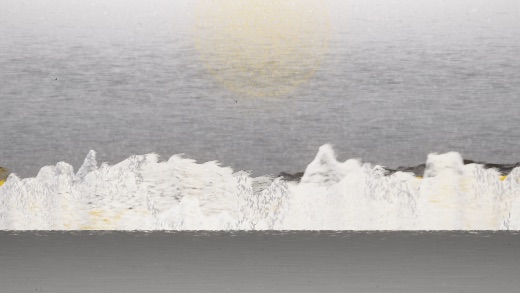
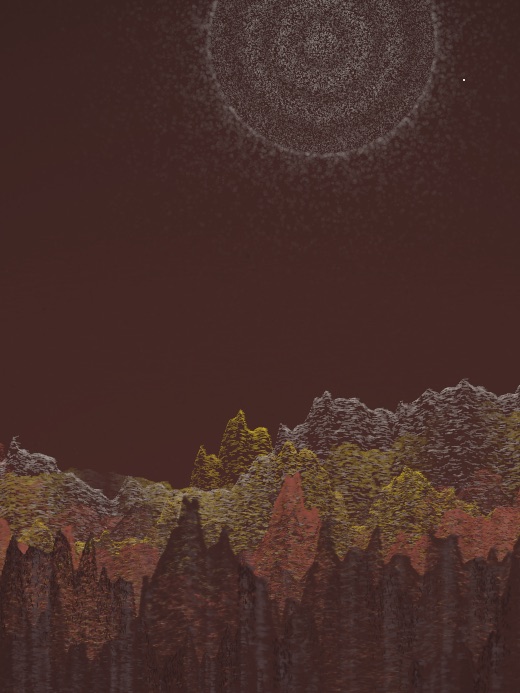
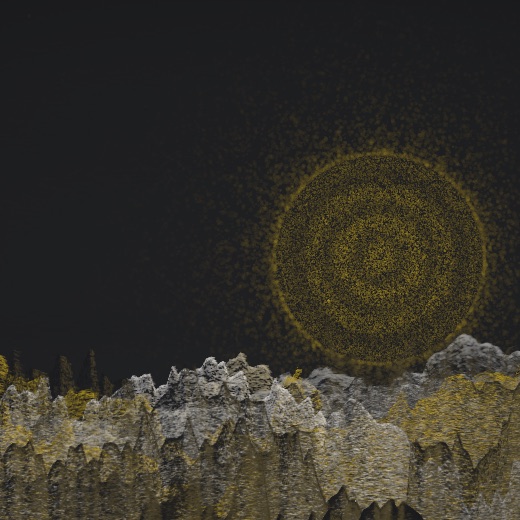
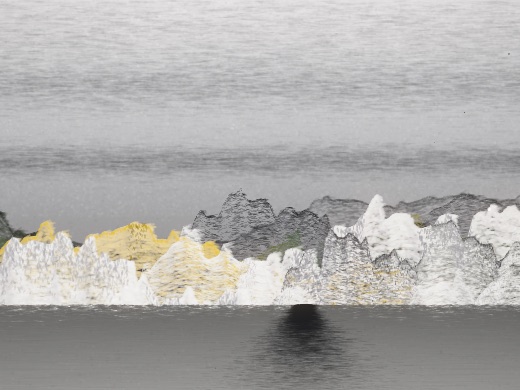
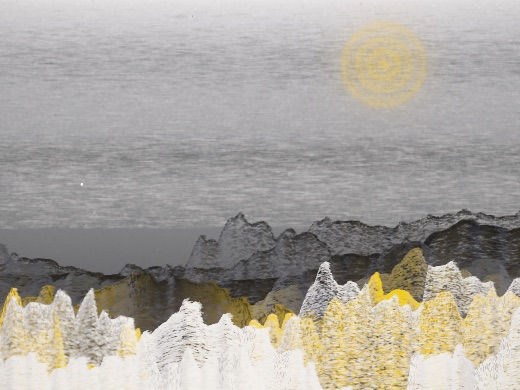
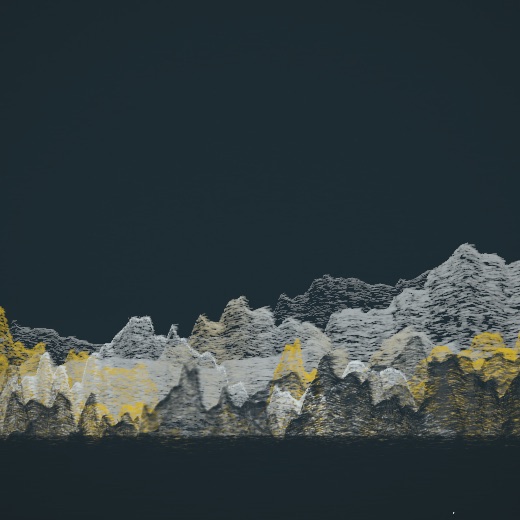
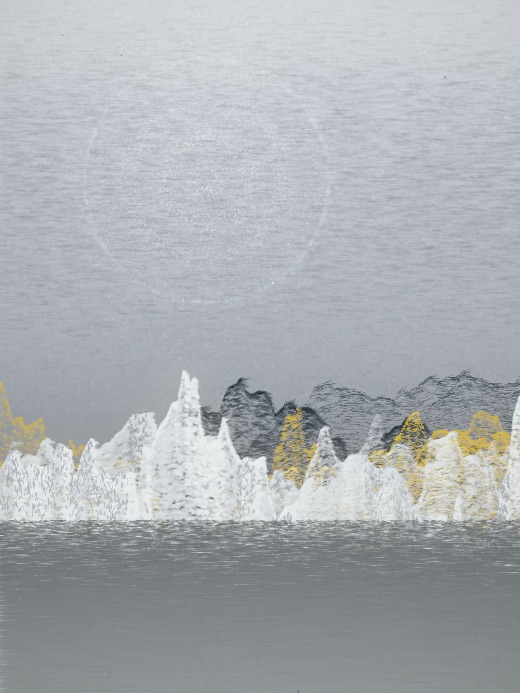
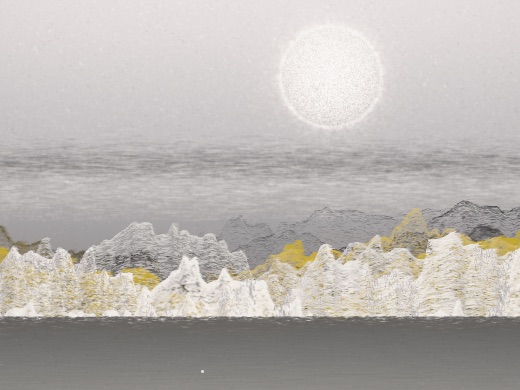
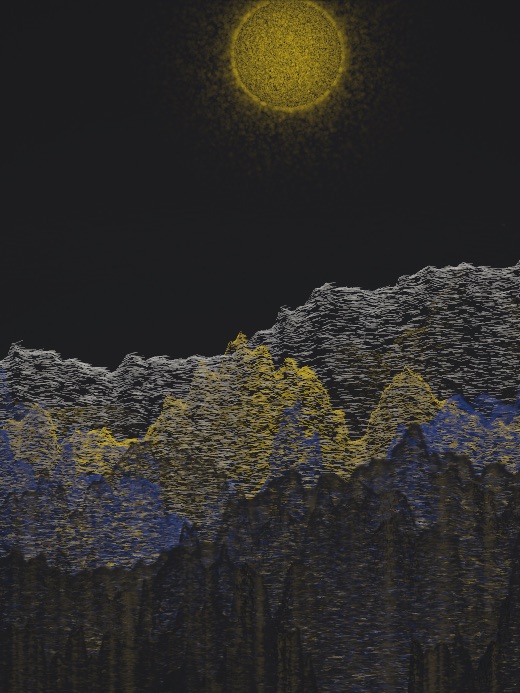
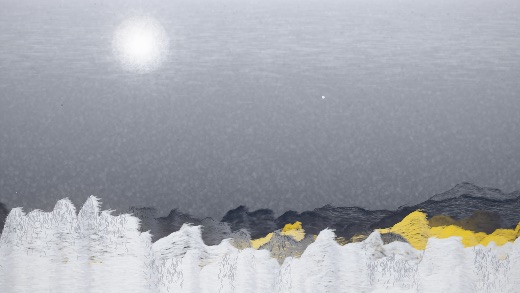
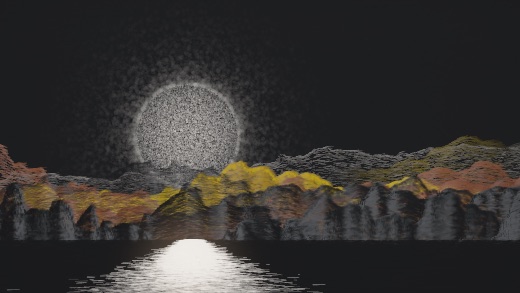
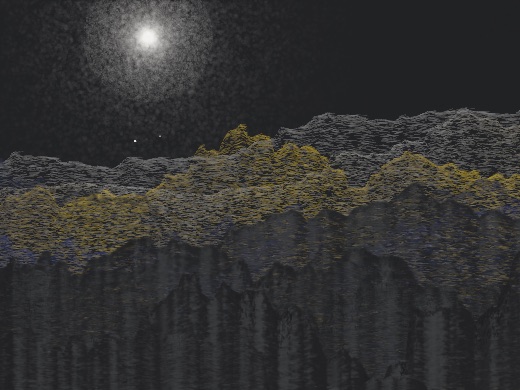
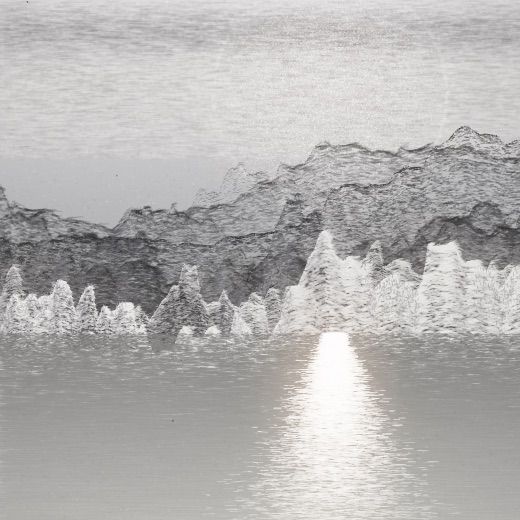
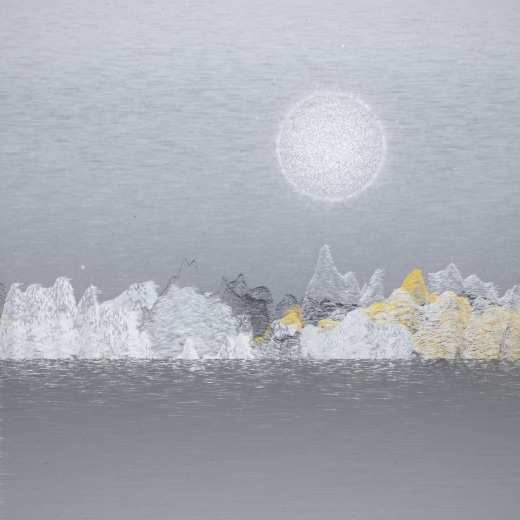
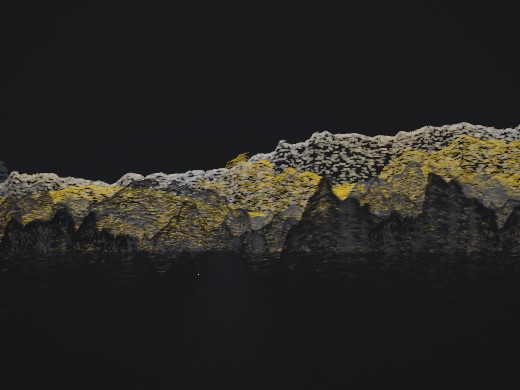
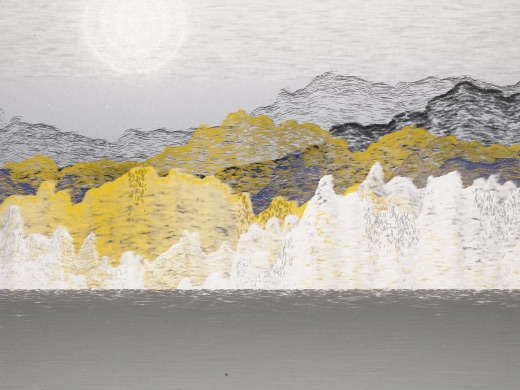
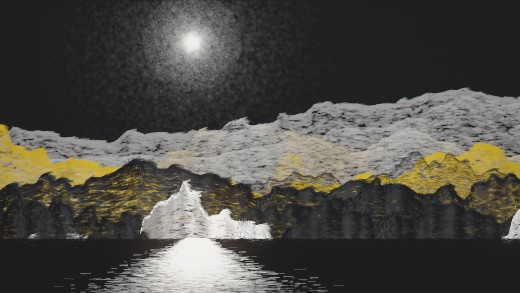
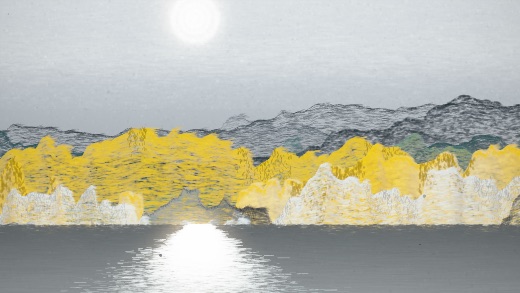
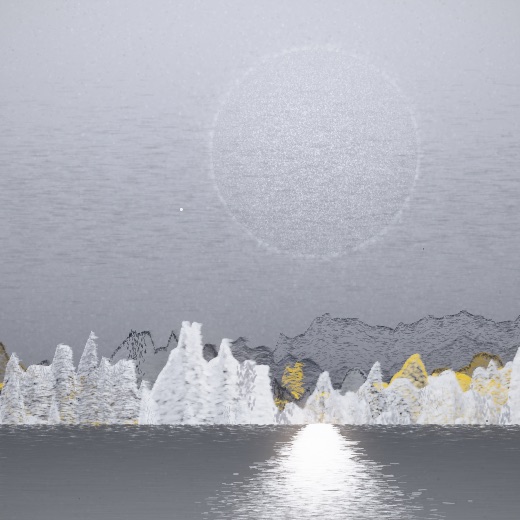
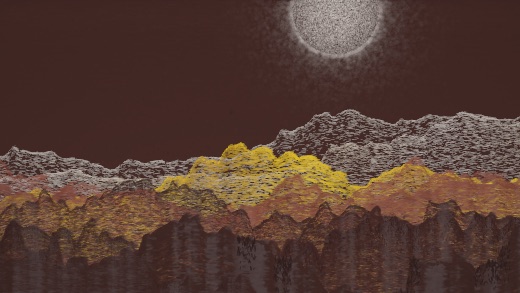
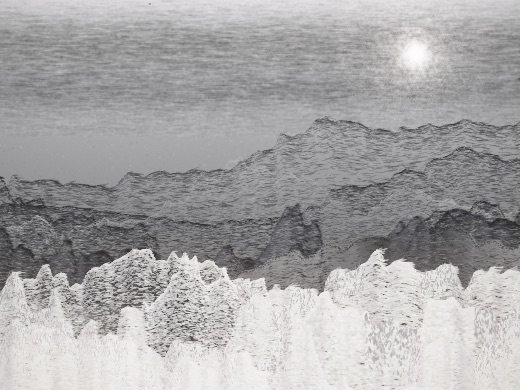
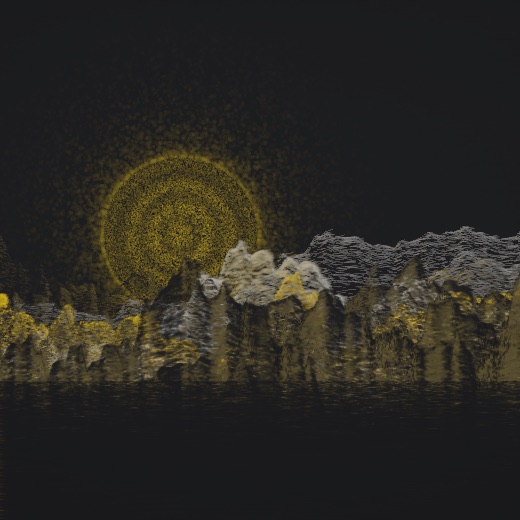
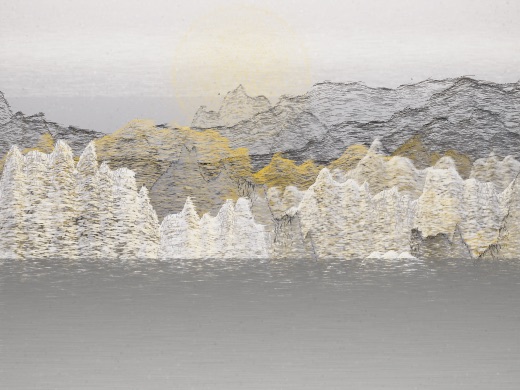
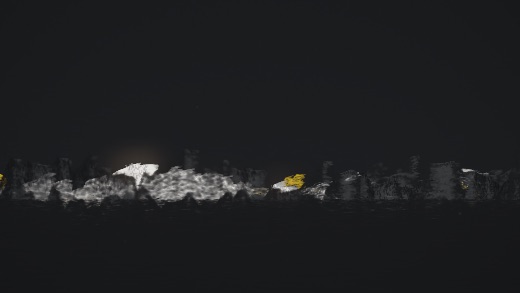
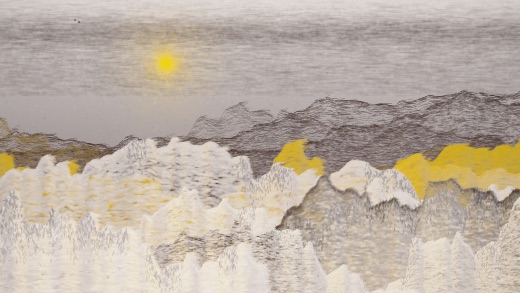
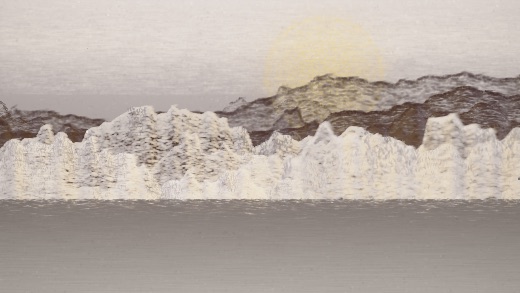
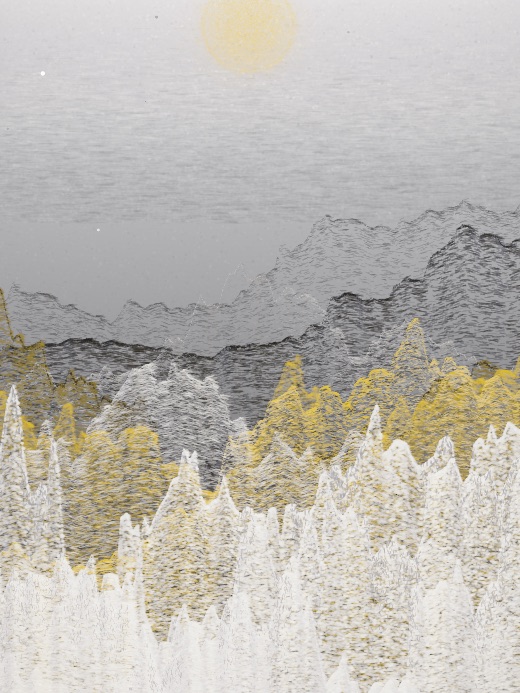
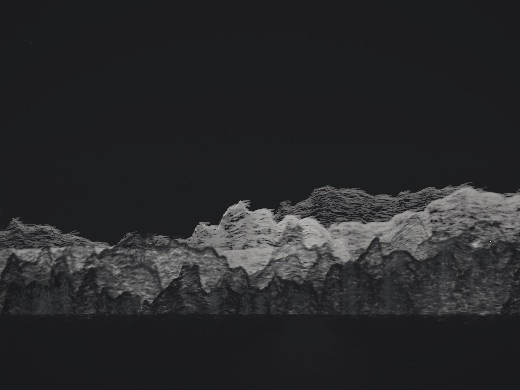
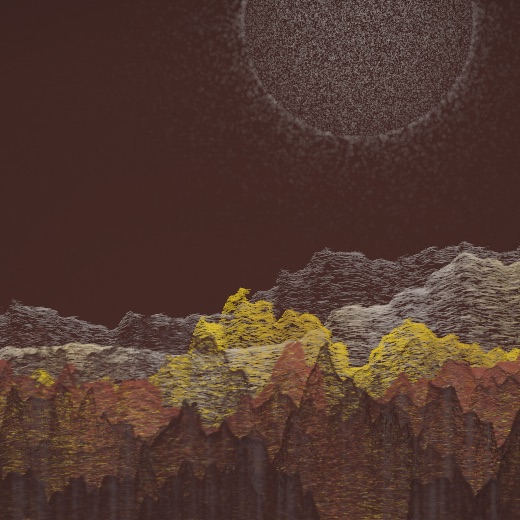
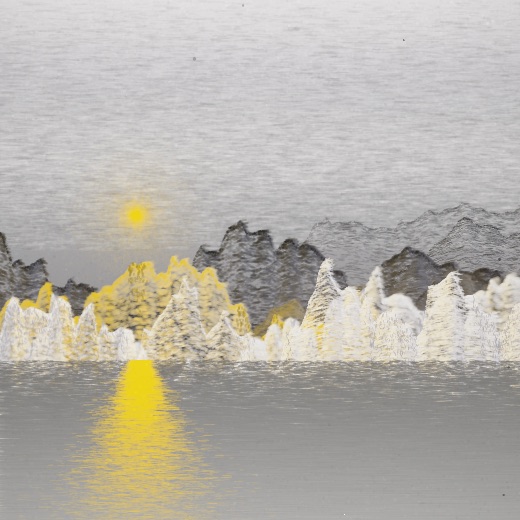
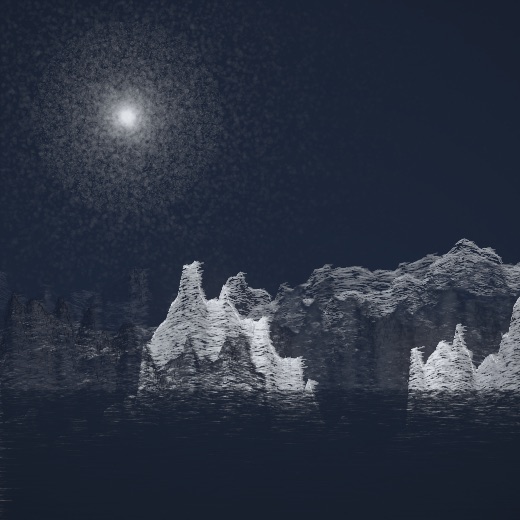
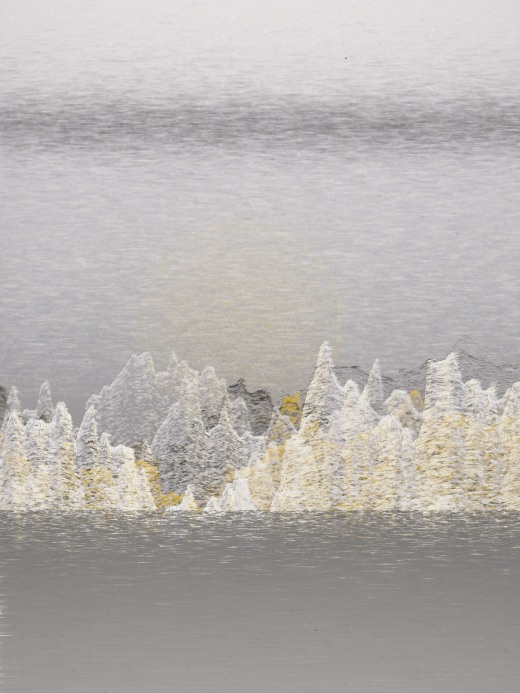
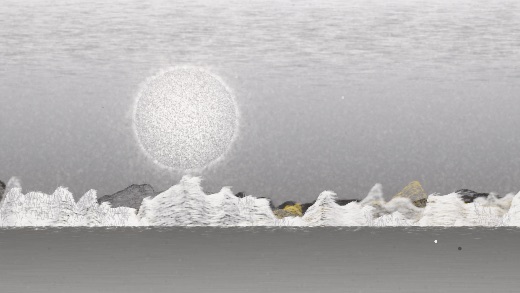
Every piece is print-sized
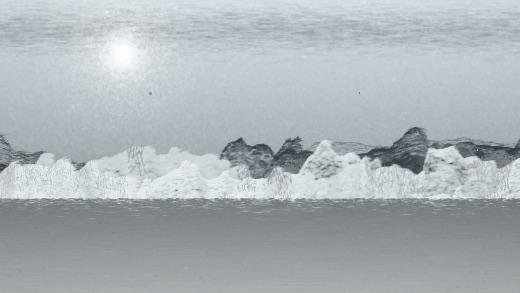
No file on this page is the artwork. The seed is. The grid renders at 520 pixels, the study view at 1,400, and the master above at 7,000, all from the same sixty-six characters. When a piece is chosen for print, the engine repaints it from its seed at the target wall size; nothing is upscaled, ever.
Made for metal
The substrate is not a printing choice. 生涯 was conceptualised around it. On brushed aluminium, white is never printed: every bright passage stays bare metal. And these are pictures about light on water, so the glitter path, the sun and moon discs, the pale skies don't depict shine, they are shine. Hung in the open, the work changes with the real sun: flat and silver under noon, burning at the end of the day.
The states reach the metal too. A piece painted frozen holds its light on the horizon forever, and printed on aluminium among the vines, that engraved sunset catches the real one, every evening. No other substrate does that. None other belongs outdoors anyway: no glass to glare, no acrylic to cook in the sun, just a rigid sheet of metal that takes the weather as a collaborator.
Metal mutes what paper flatters: dark registers run deeper, highlights turn to shine, so every register is proofed small before anything goes to two metres. Open sky is borrowed time; a print in the sun is planned in seasons, not decades. The seed doesn't age, though. The print can always be made again.
The largest standard print each format allows
| Format | Expo maximum | At 200 dpi |
|---|---|---|
| Standing | 135 × 180 cm | 10,630 × 14,173 px |
| Square | 140 × 140 cm | 11,024 × 11,024 px |
| Wide | 180 × 135 cm | 14,173 × 10,630 px |
| Panorama | 176 × 99 cm | 13,858 × 7,795 px |
Brushed Alu-Dibond, printed by WhiteWall. The canvas ratios are WhiteWall's own families (4:3, Carré, 16:9), so every print is a standard menu, no cropping ever. The château dozen alone rides the full 190 × 145 sheet in format libre. At exhibition distance, 200 dpi is past what the eye resolves, and the grain pass is anchored in pixels, so the tooth survives the scale.